While different translations and editions of the Bible document fascinating histories of scholarship, publication, and Christian tradition, the use of the Bible cab also tell its own story. Adding to the printed text, many Bibles preserve traces of the people who owned, read, gifted, studied, and treasured them, including handwritten names, inscriptions, marginalia, and other signs of use. These extra-textual additions give glimpses into how Bibles have been encountered not only as religious texts, but also as devotional aids, study tools, family records, and commemorative objects.
This month, Wheaton Archives & Special Collections features several examples of annotated Bibles from our collections that highlight the different ways readers have used Bibles across generations.
The Bible as Family Record
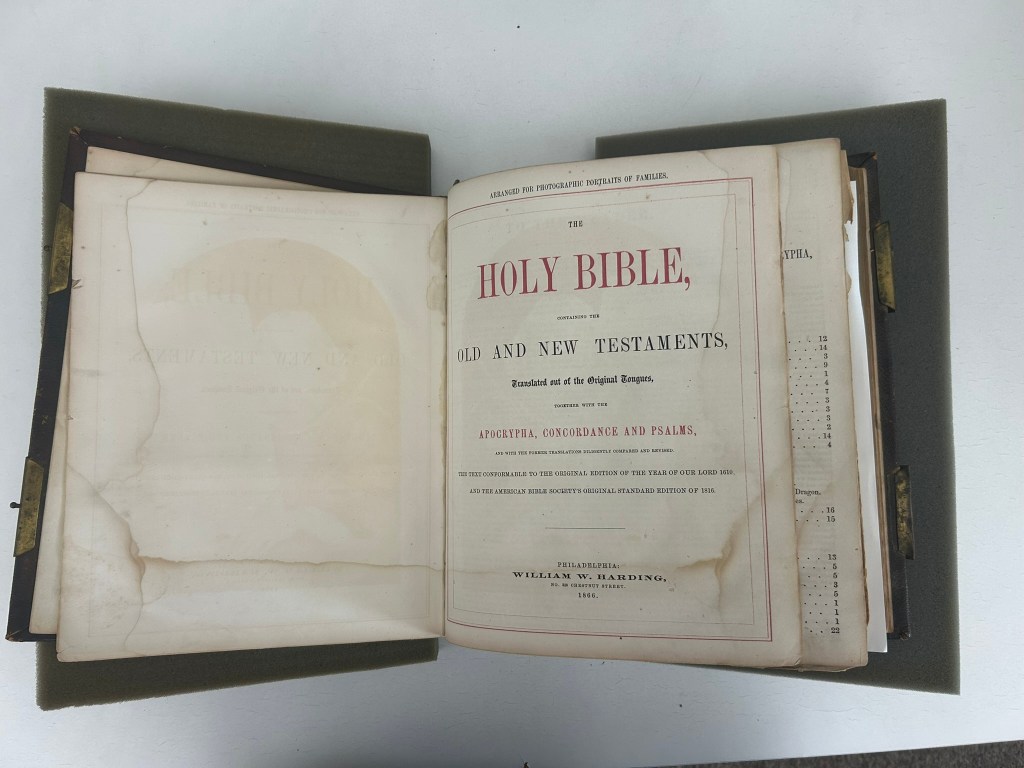
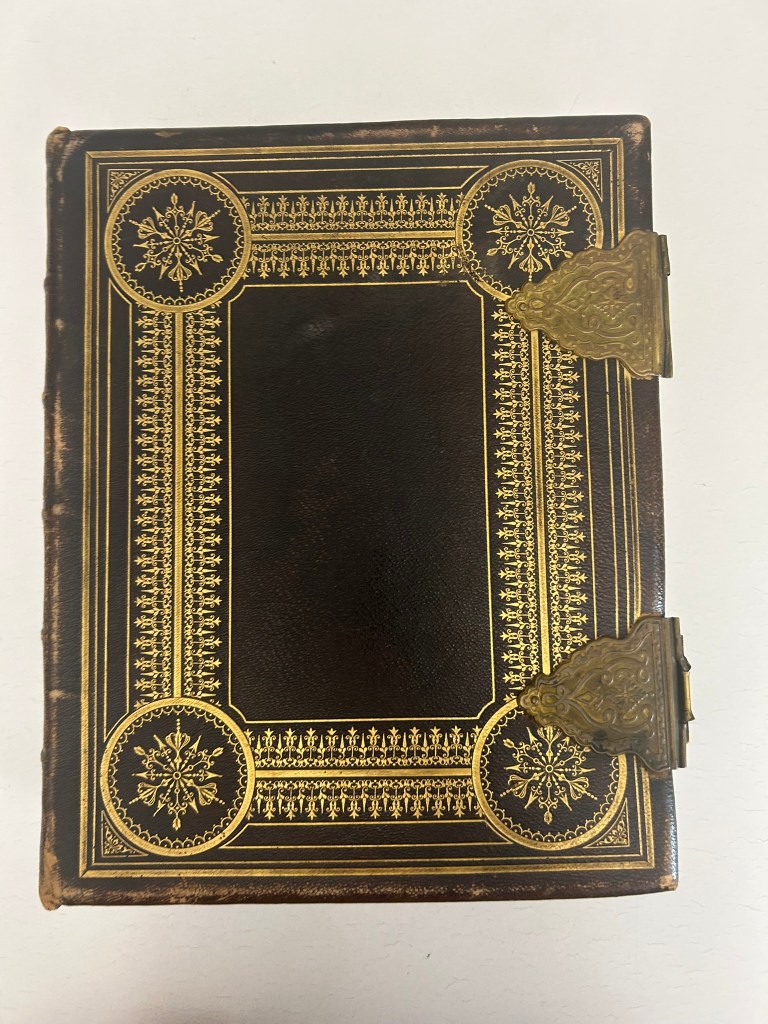
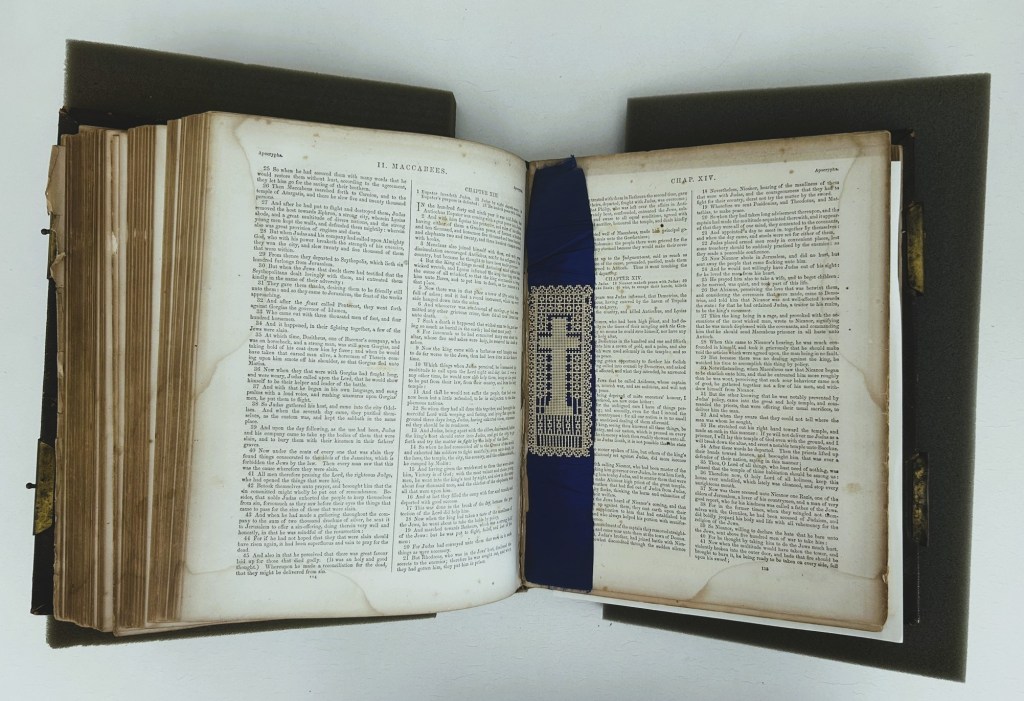
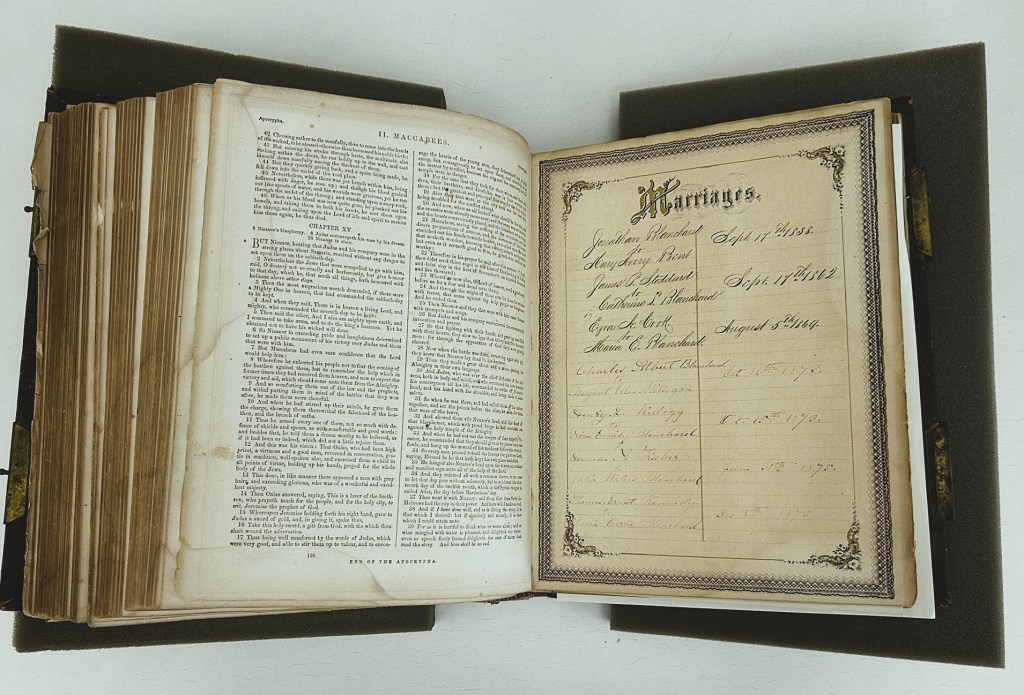
In times when many households owned relatively few books, the family Bible often served as a record of family history. On the available blank leaves, families preserved records of marriages, births, deaths, and other genealogical notes. Some Bible publishers eventually accommodated this common practice by producing Bibles with dedicated family record sections. One example in the collections of Wheaton Archives & Special Collections is the Blanchard Family Bible, which preserves the family tree of Jonathan Blanchard, Wheaton College’s first president.
The Bible for Personal Devotion
For many readers, the Bible is a personal object, the silent recipient of private thoughts and questions or plans for individual study and memorization. The Archives holds several examples of these personal Bibles, many of them preserved in collections documenting missionaries around the world. One such example is a multi-volume Bible originally owned by China Inland Mission founder J. Hudson Taylor and later passed to his successor, Dixon E. Hoste. Though only lightly annotated, its marginal markings of months and days suggest that the set may have been used for a yearly reading plan or daily devotional practice.
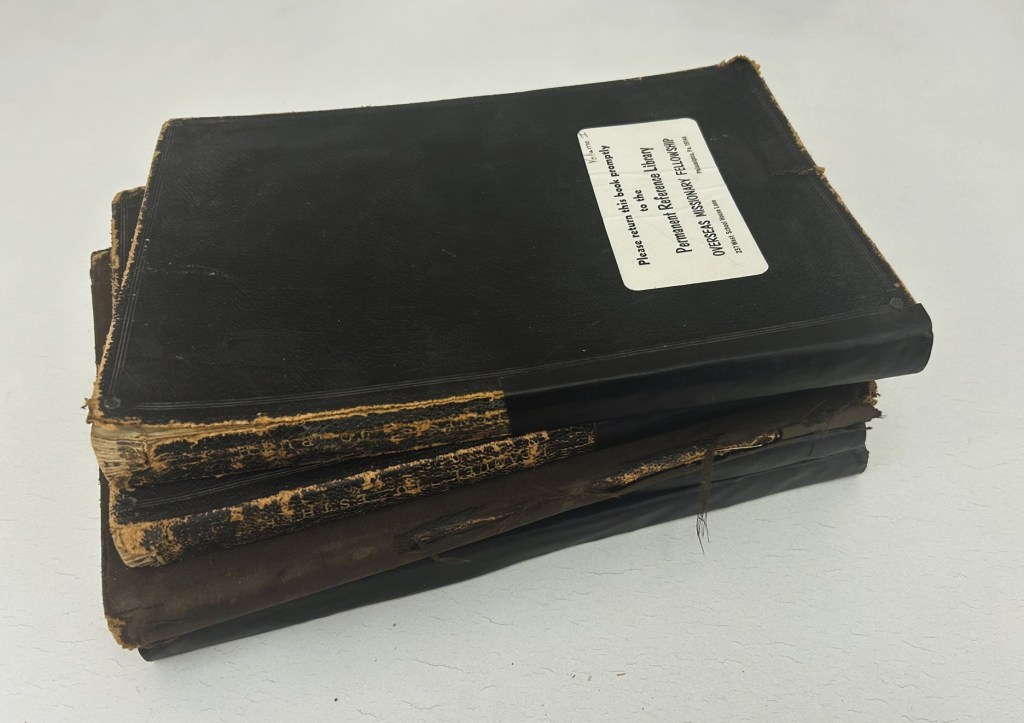
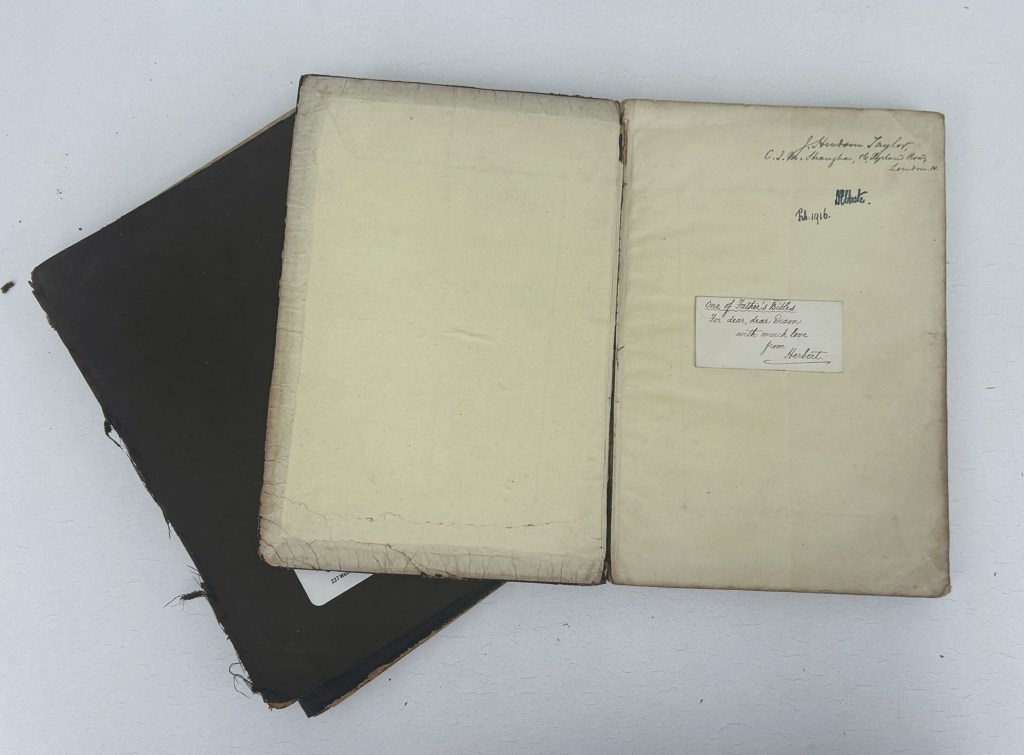
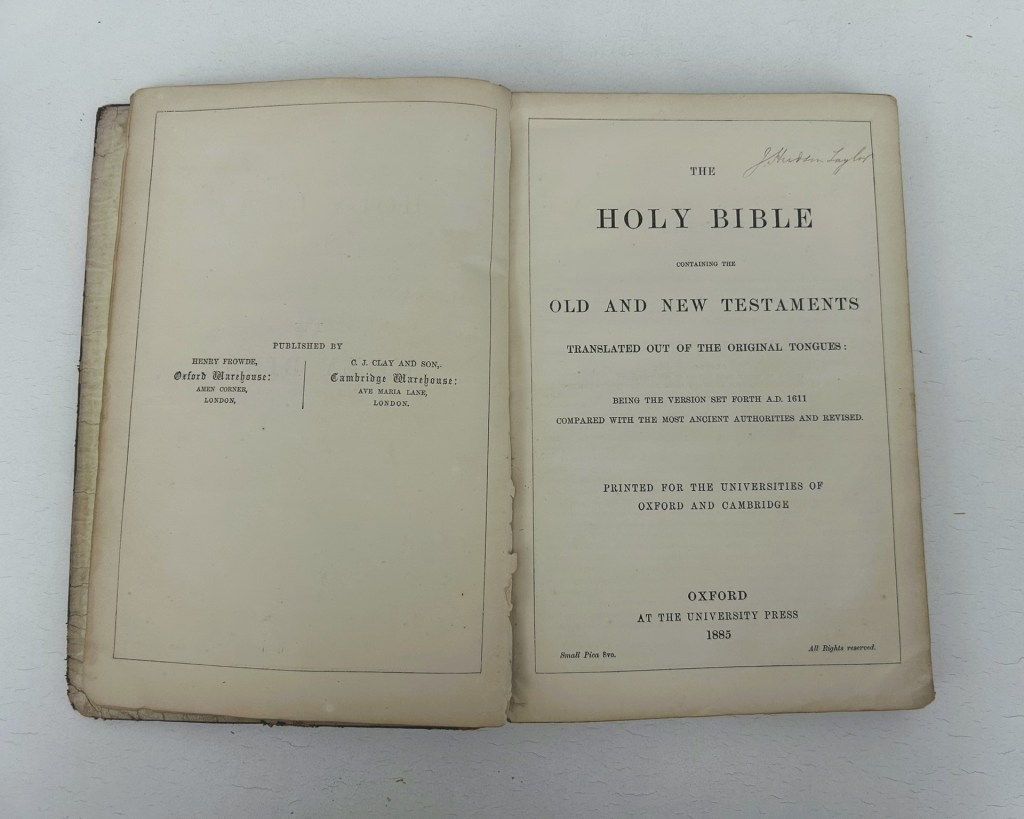
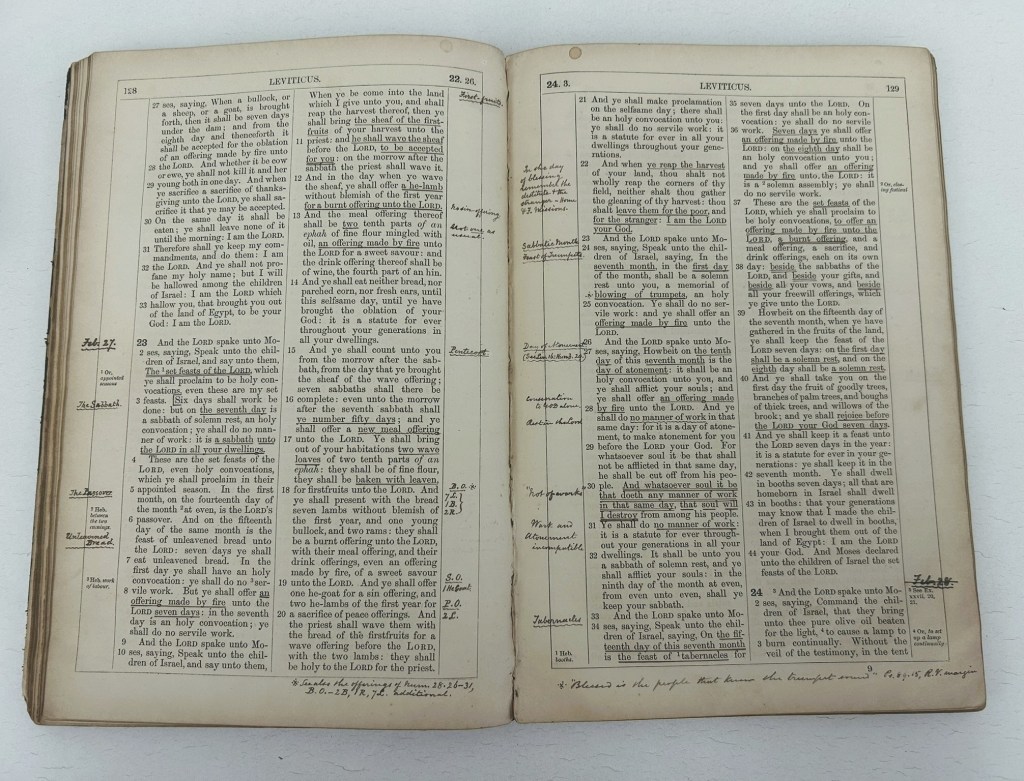
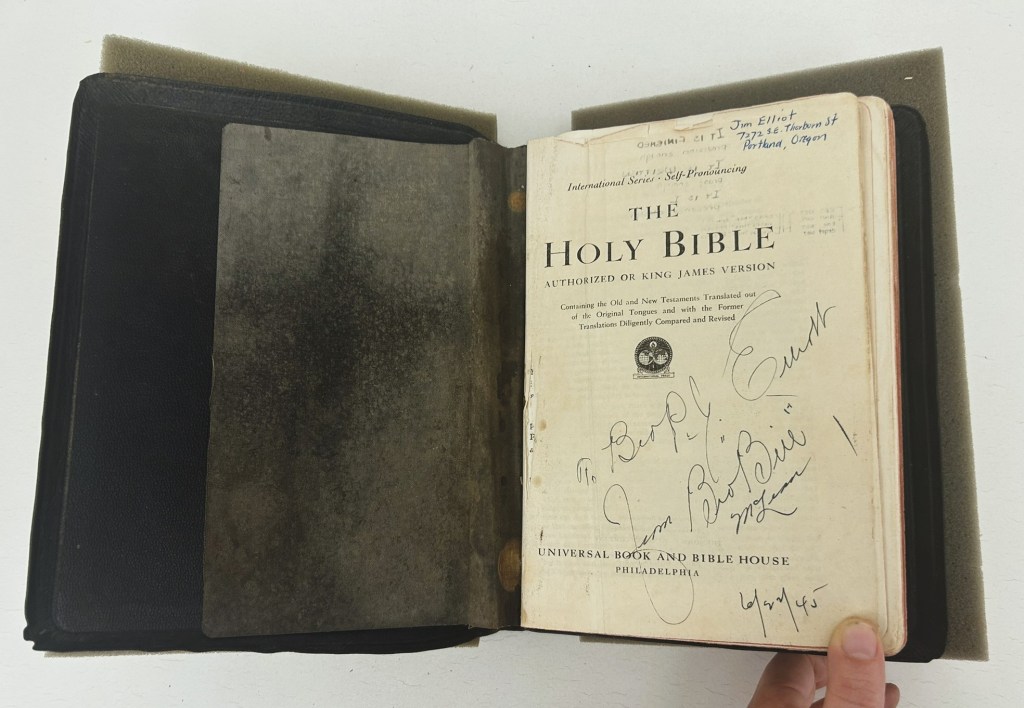
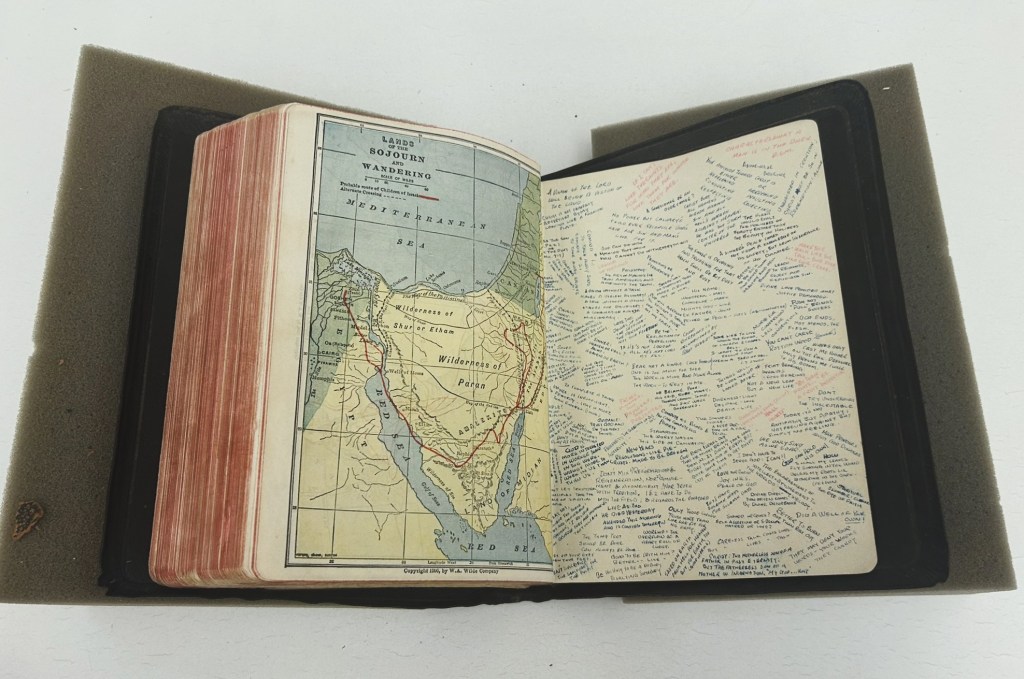
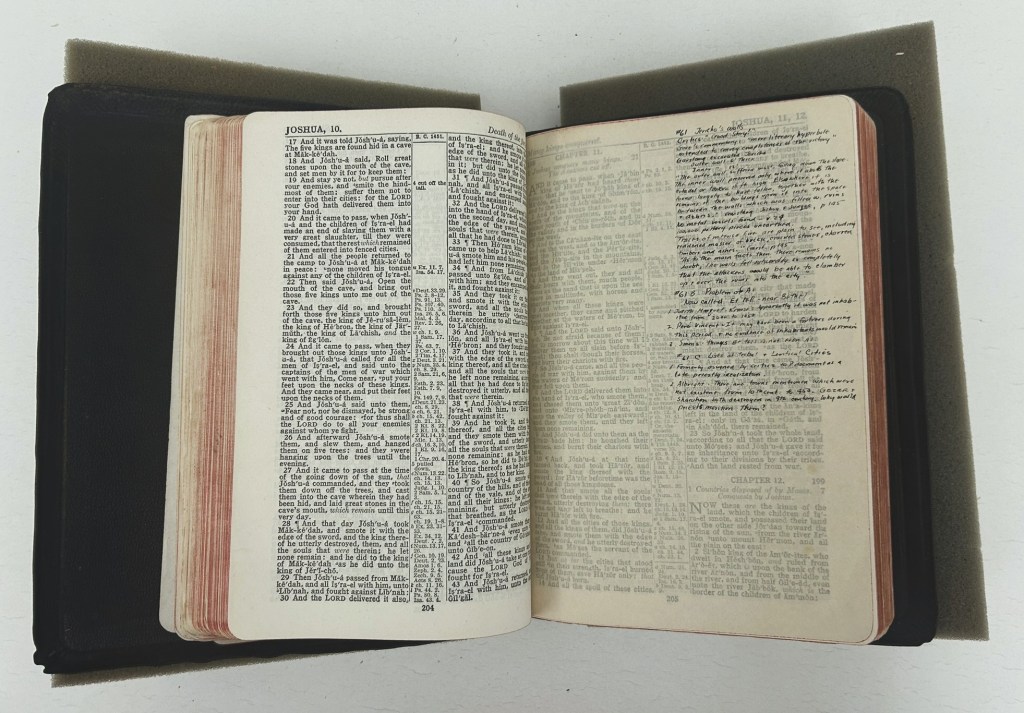
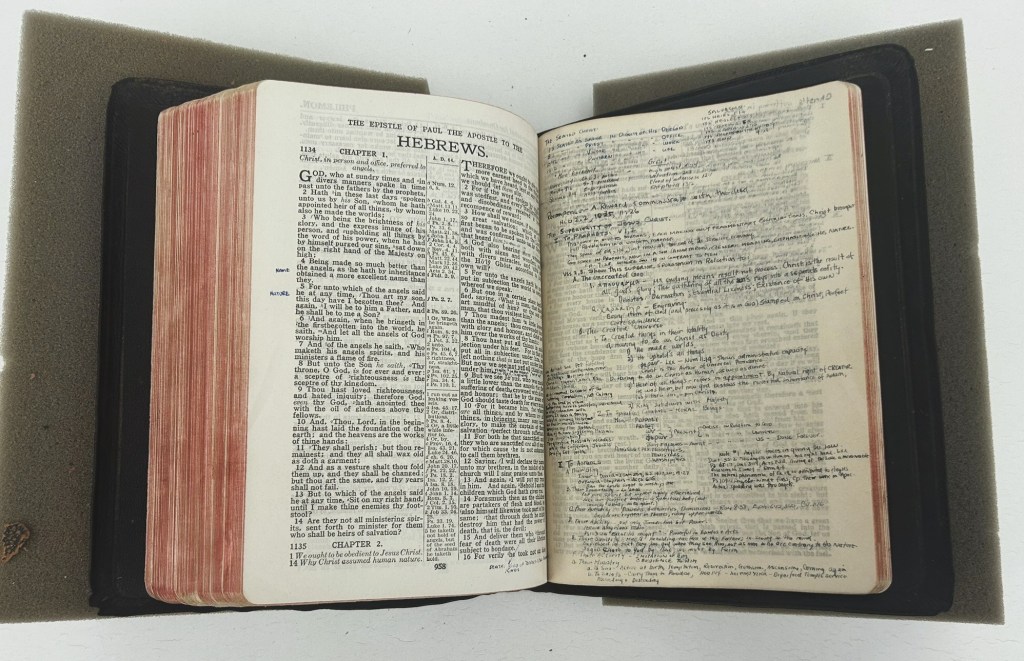
Another example is a Bible used by missionary Jim Elliot during his first year as a student at Wheaton College. Richly annotated, especially in the Book of Hebrews, the volume reveals Elliot’s close engagement with Scripture as he marked, questioned, and interpreted its passages. The final leaves also preserve a collage of quotations and Bible verses that he collected and arranged.
The Bible for Study
Beyond personal devotion, the Bible has long served as a working text for theological study, teaching, preaching, and pastoral preparation. The following examples from Christian teachers, writers, and evangelists Oswald Chambers and R. A. Torrey show their sustained engagement with the biblical text.
Oswald Chambers’ Bible, filled with notes and underlining, also preserves detailed outlines of biblical themes and passages that he later drew upon in his sermons and Bible Training School courses.
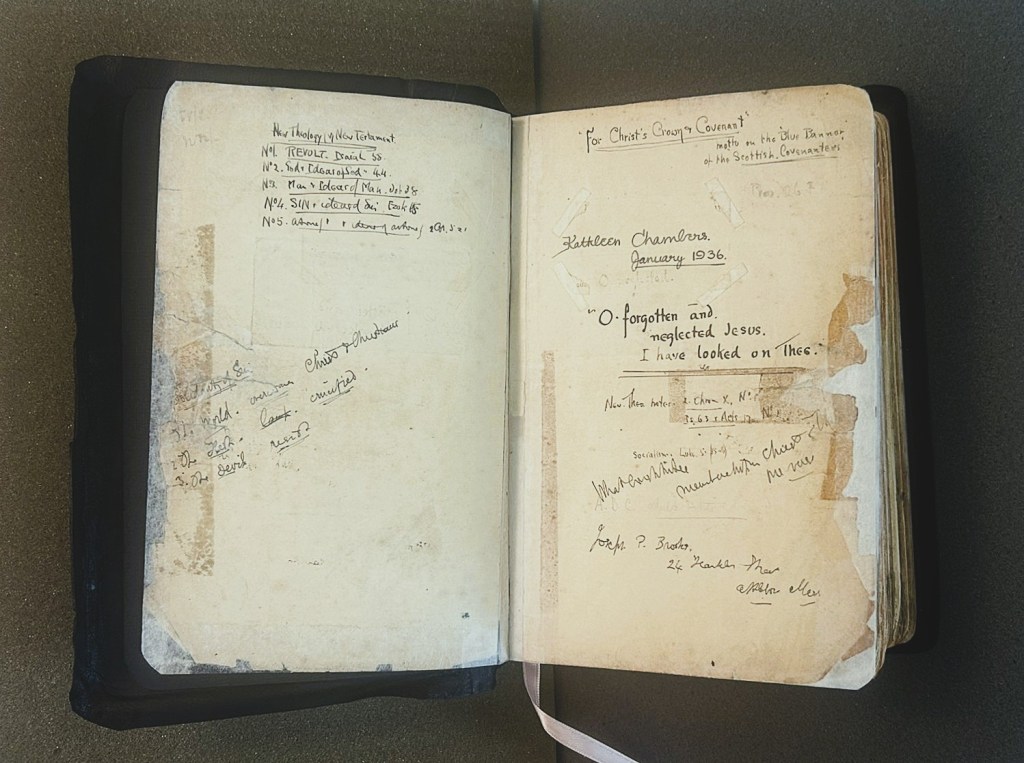
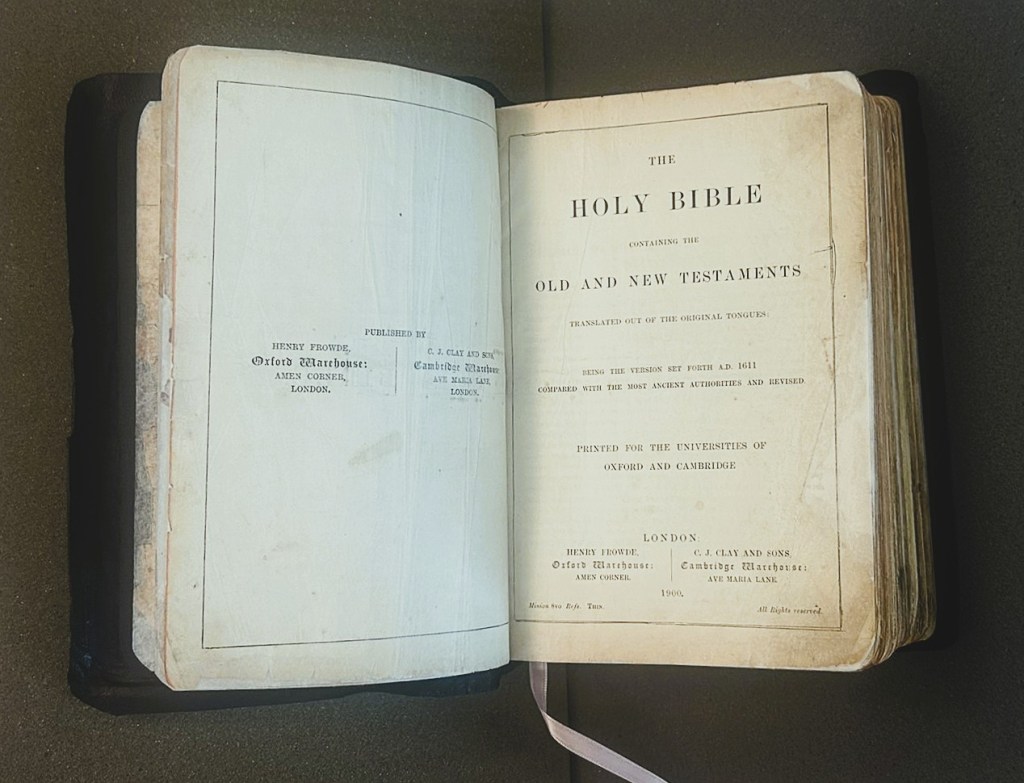
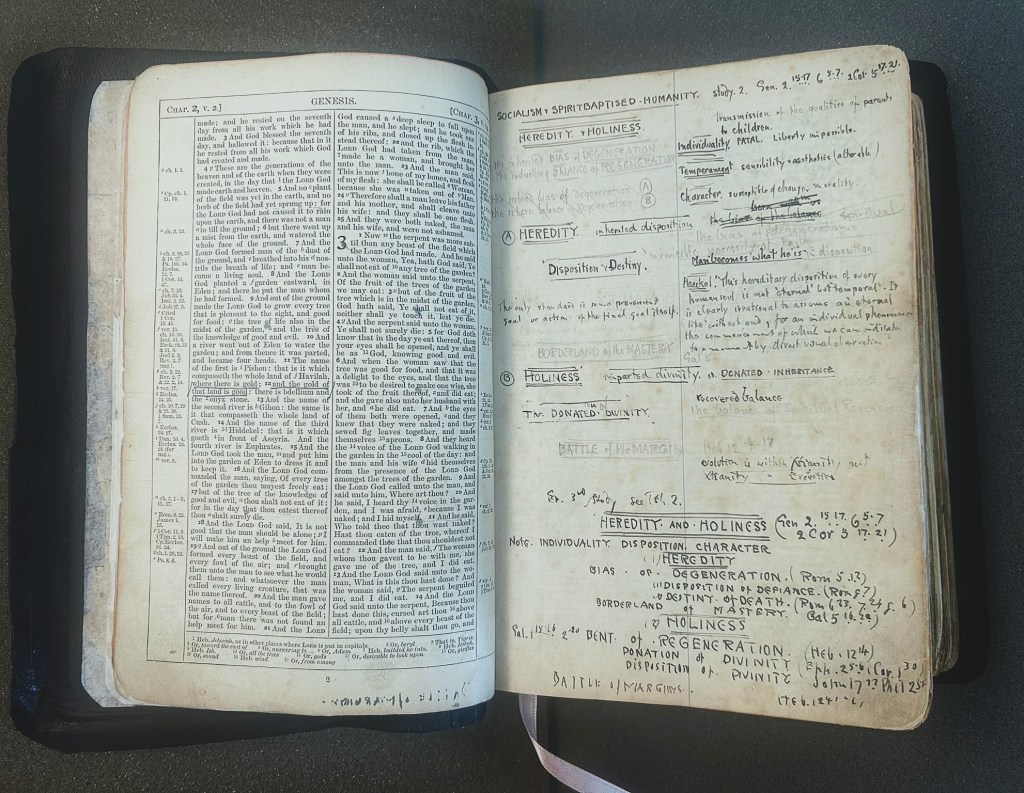
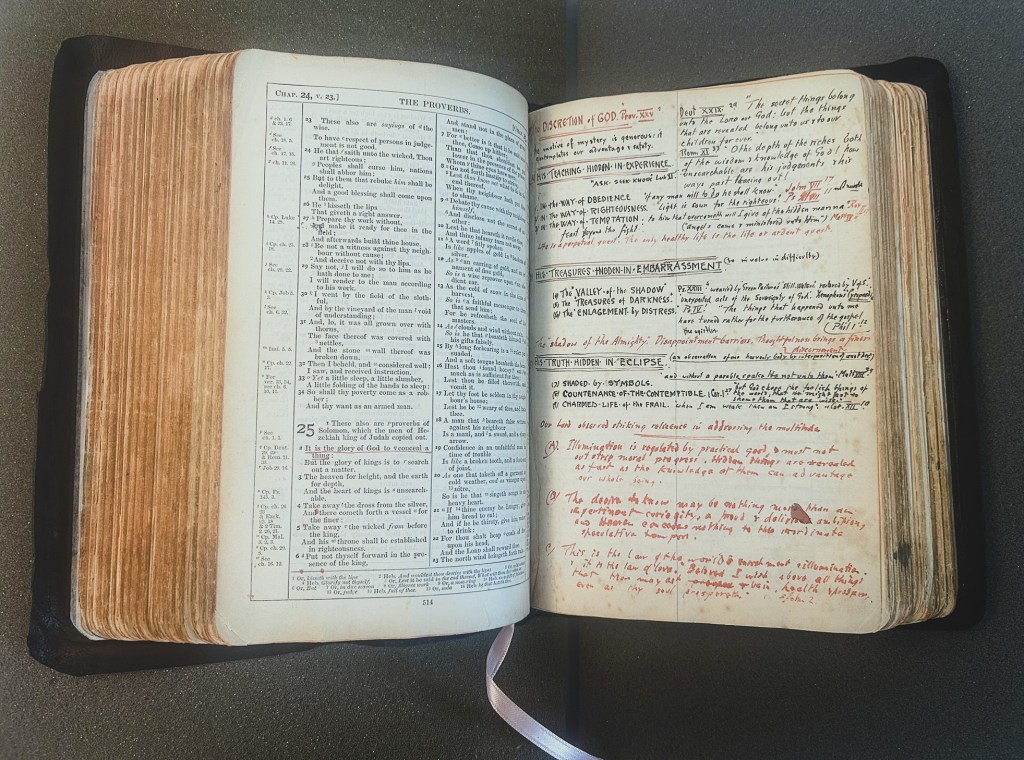
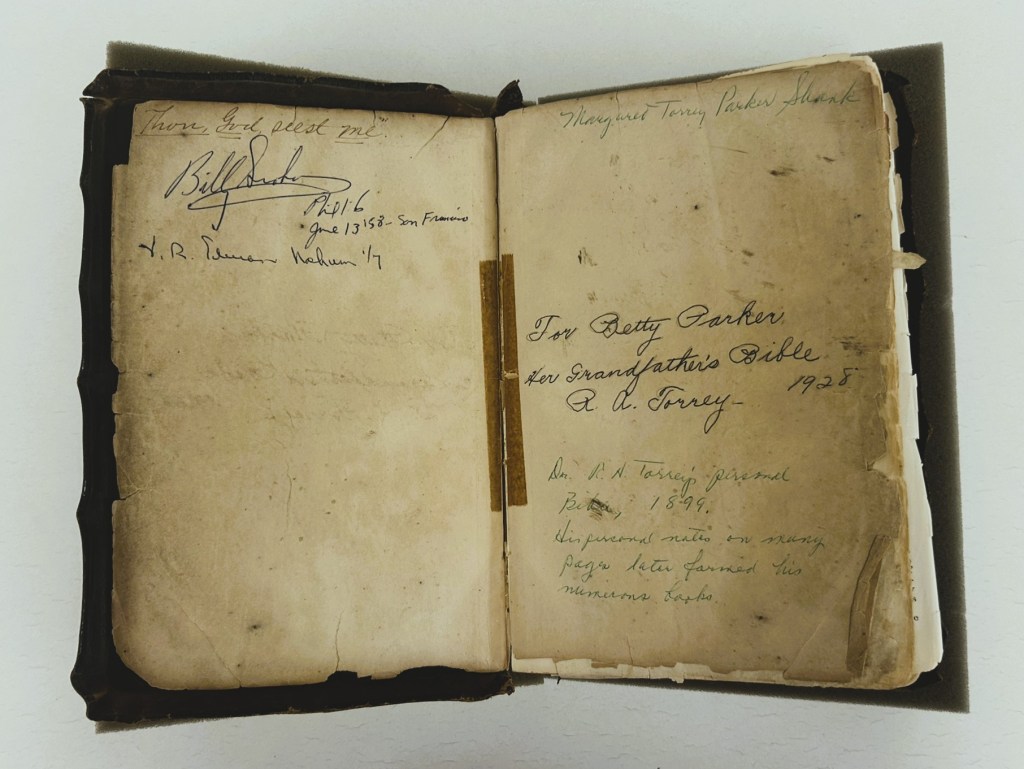
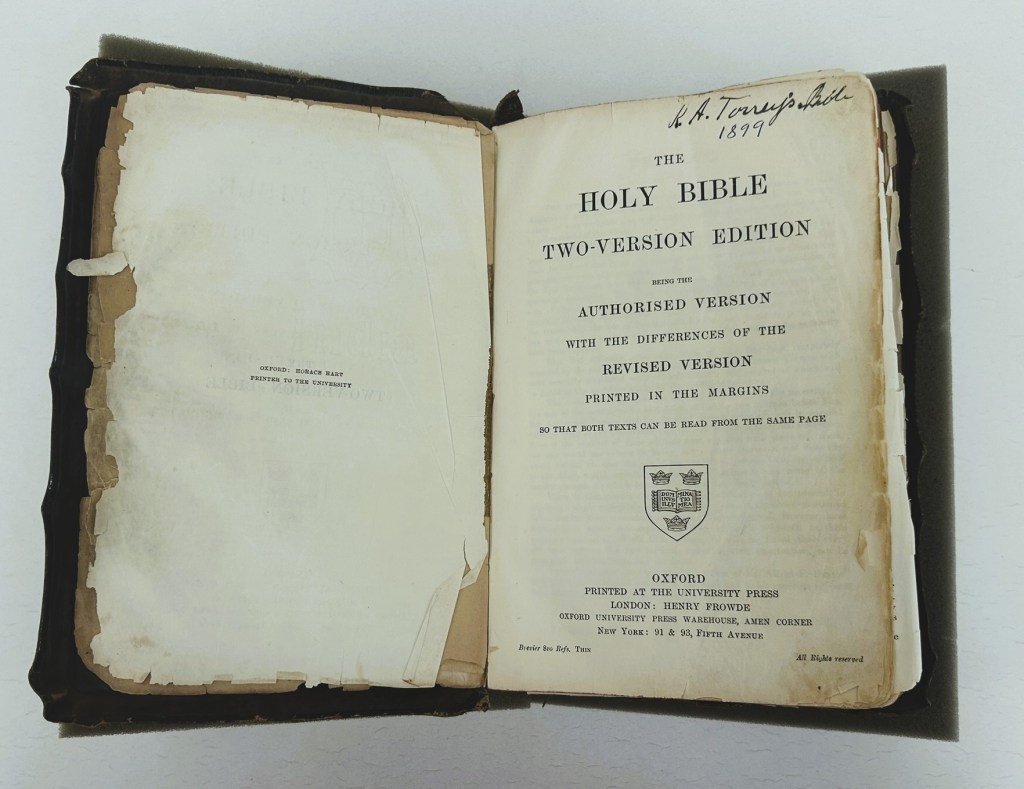
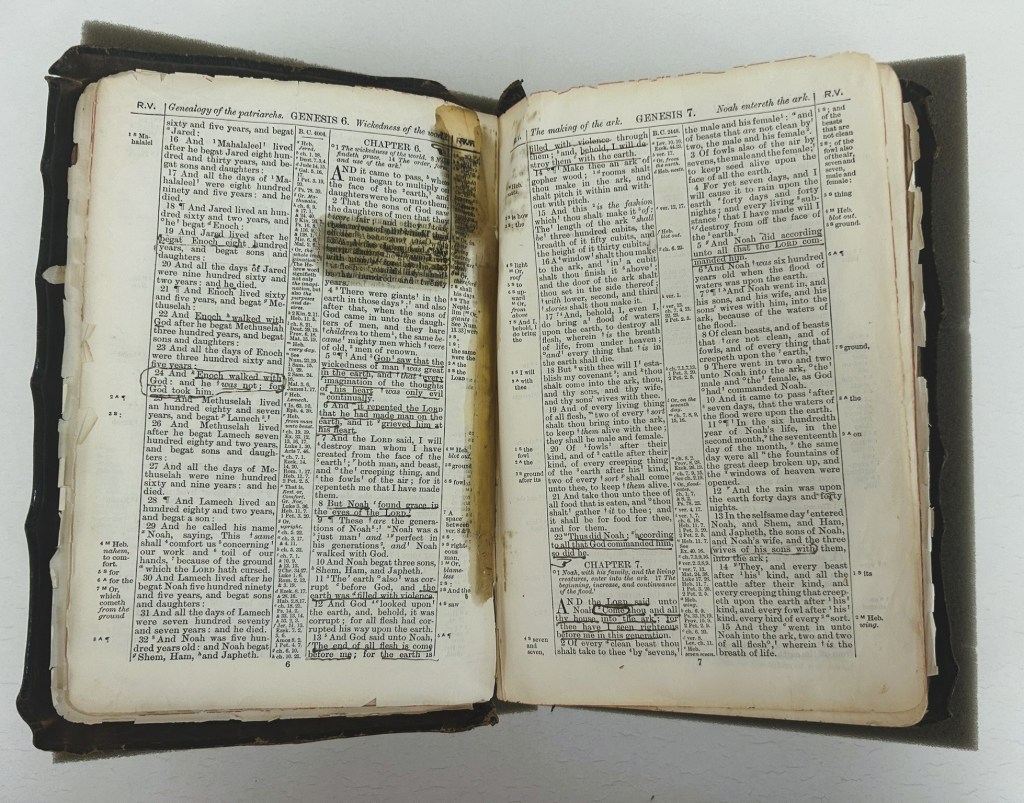
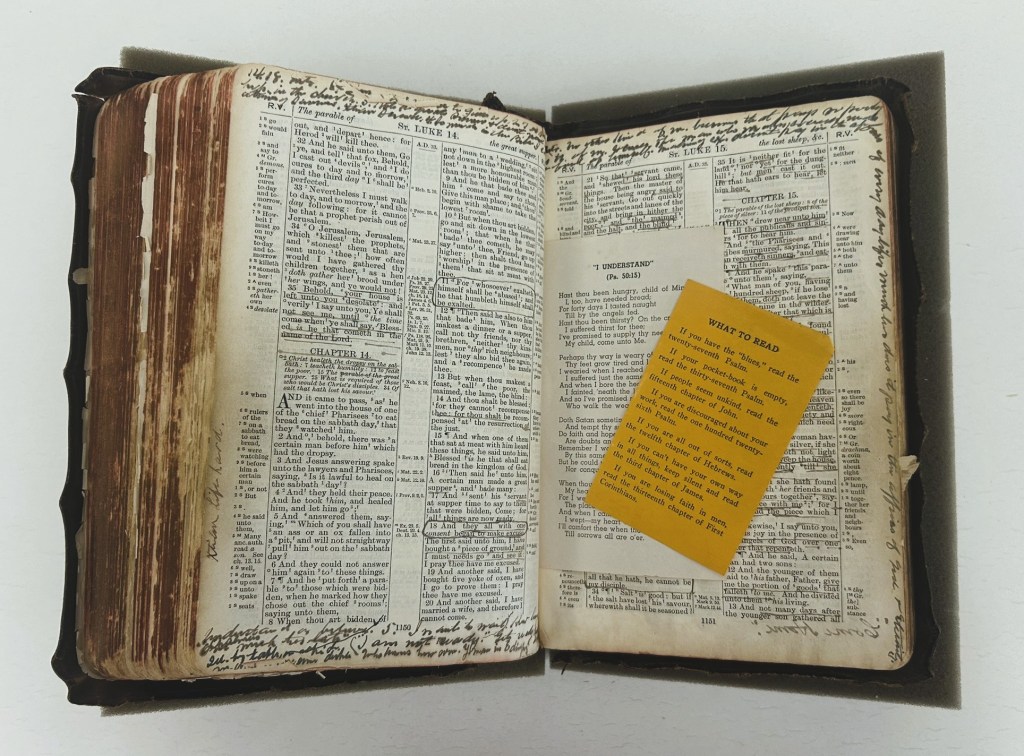
Owned by R. A. Torrey beginning in 1899, this Bible also includes supplementary study material written by Torrey and others associated with Moody Bible Institute. Alongside annotations to the biblical text, the volume preserves Torrey’s handwritten edits to the supplemental material, offering a glimpse into his process of revision as he refined words, phrases, and emphases. Another interesting feature of this Bible is the signatures on the front leaves, including one from the evangelist Billy Graham and former Wheaton College President V. Raymond Edman. As R. A. Torrey died in 1928, the signatures were likely added after the Bible was passed down to his granddaughter Betty Parker.
The Bible as Gift and Commemoration
Bibles have long been given to mark special occasions, celebrate friendships, and recognize the passing of generations. As they change hands from one person or institution to another, these gift Bibles can preserve traces of the relationships between their givers and recipients.
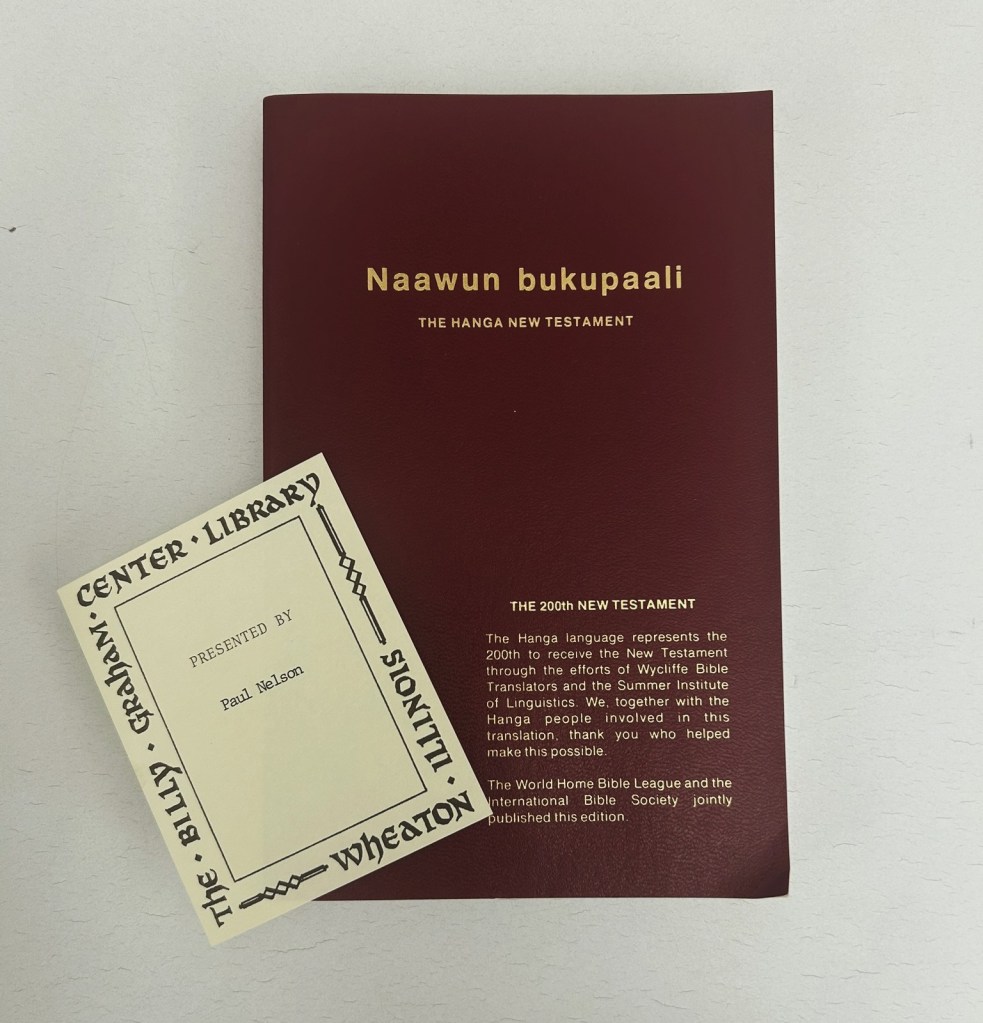
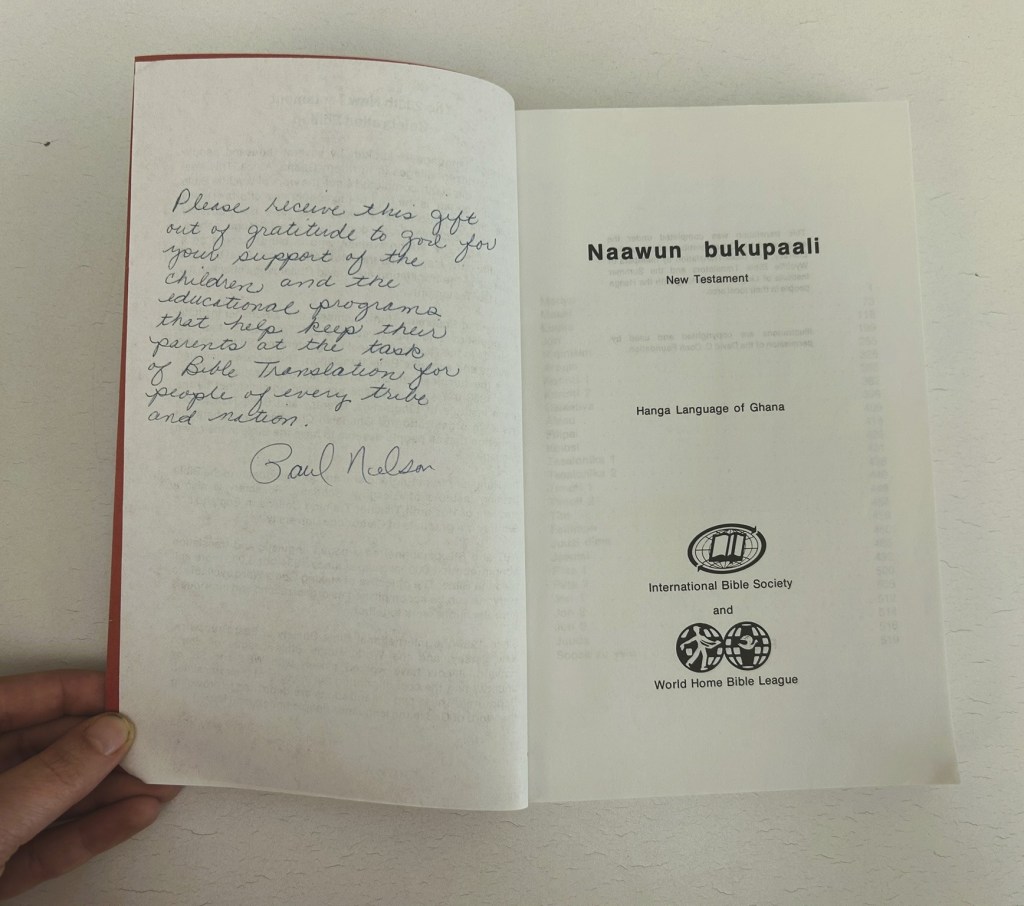
One example in the Archives’ collections is a Hanga New Testament, commemorated as the 200th New Testament translation produced through the work of Wycliffe Bible Translators. It was presented to Paul Nelson in recognition of his work in children’s education for Wycliffe. Nelson later donated the volume to the former Billy Graham Center Library, now part of Special Collections.
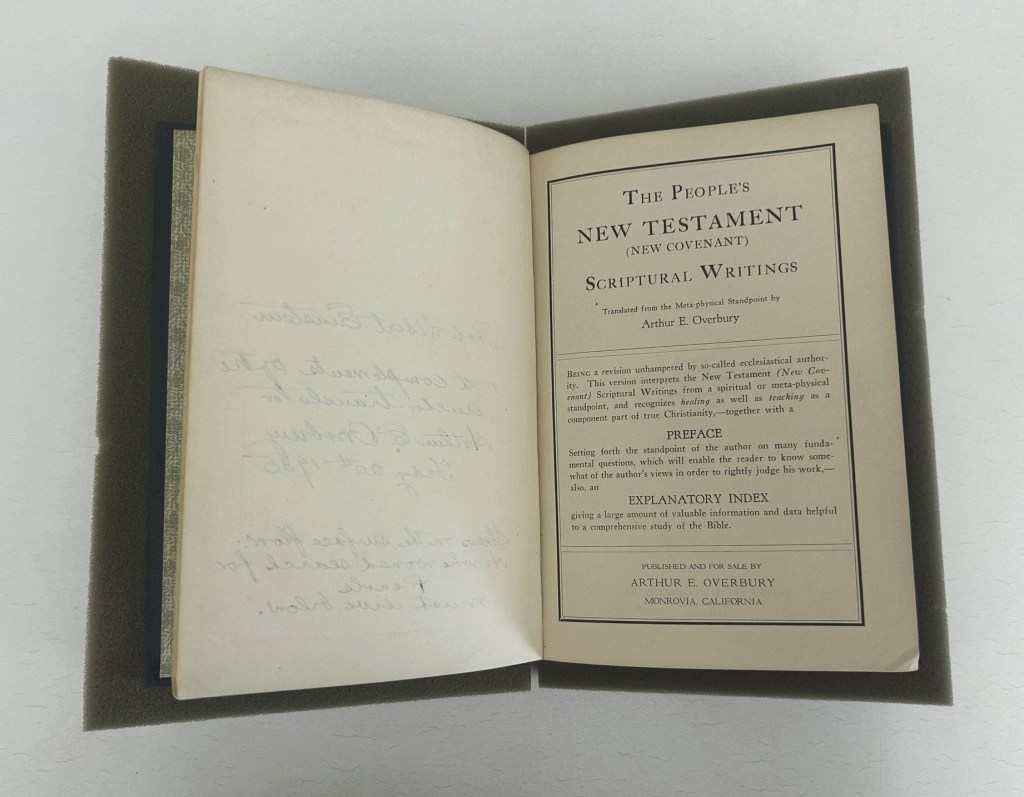
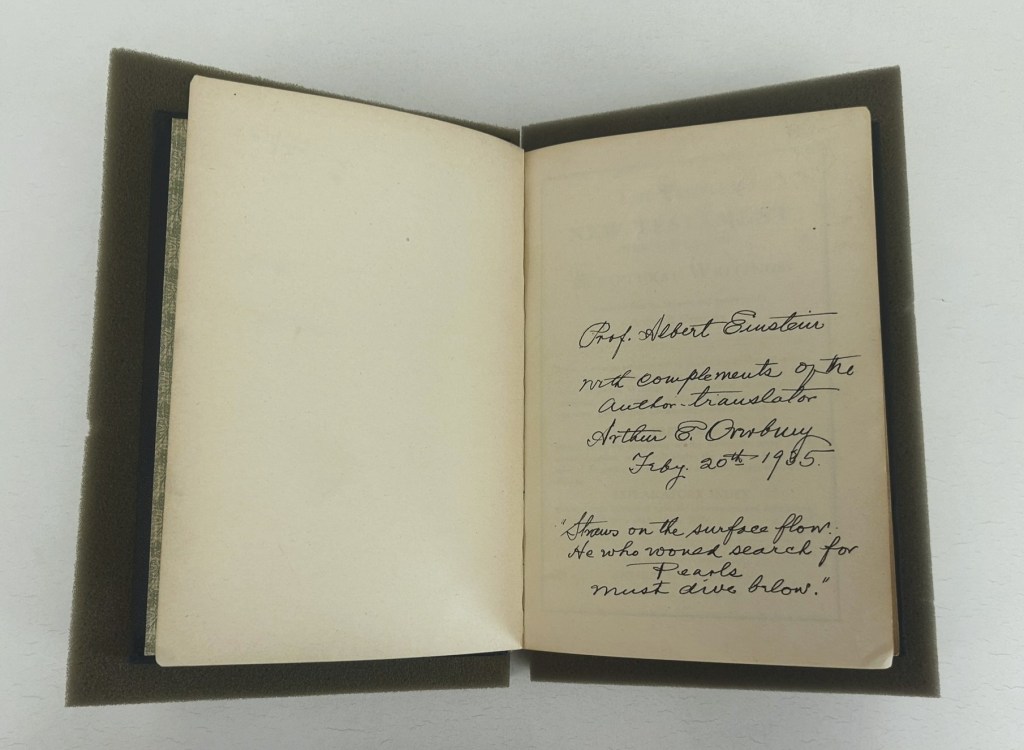
A more mysterious example in Special Collections is a copy of The People’s New Testament, presented to physicist Albert Einstein by its author and translator, Arthur E. Overbury, in 1935. Whether Einstein read the volume or had any subsequent contact with Overbury is unknown. Overbury is not listed as a correspondent in Einstein’s existing archives.
Explore more materials and collections held by Wheaton Archives & Special Collections through our archival database at archives.wheaton.edu.

