Once again at the start of the new year we pause to reflect on the acquisition and processing of the previous year. “New Collections” are those materials which have been fully processed, arranged, described, conserved and made available to users. “New Accessions” are materials we received and which will eventually be processed into collections.
Continue readingGlobal Missions
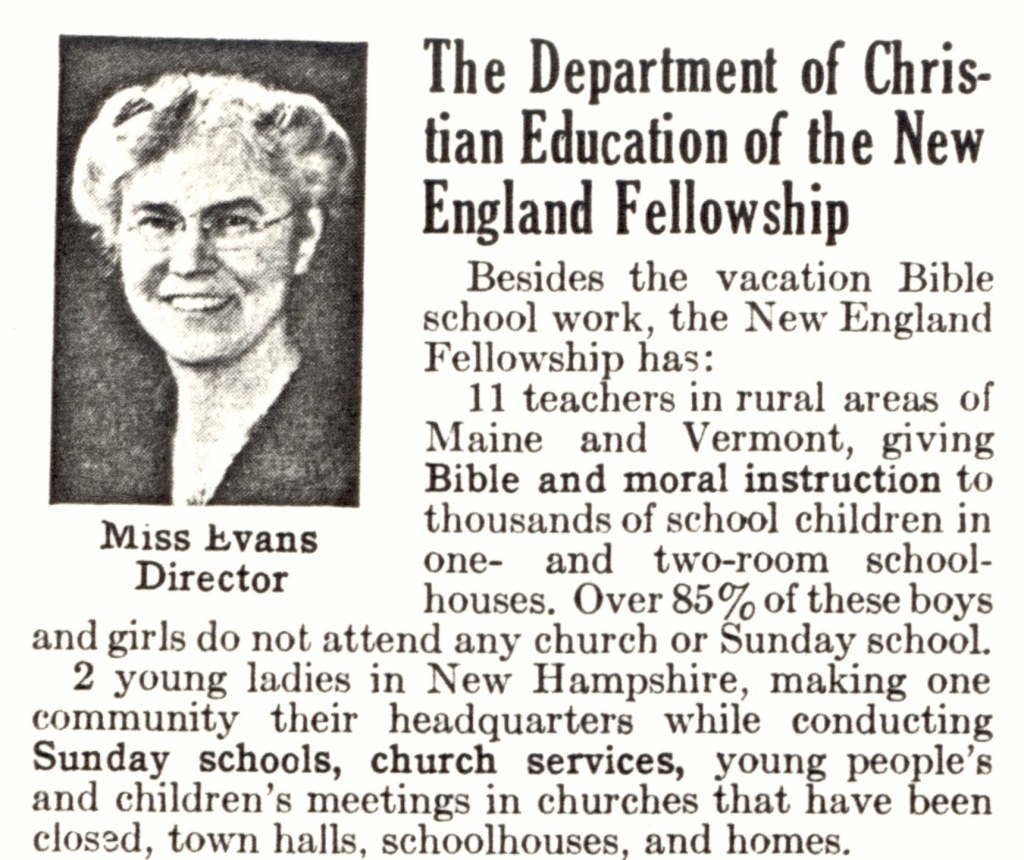
A Modern Caleb: The Life and Ministry of Elizabeth Evans
This September, Wheaton Archives & Special Collections shines a spotlight on the remarkable life of Elizabeth Morrell Evans, a woman who tirelessly dedicated herself to doing what she believed was necessary to spread the gospel and multiplied her impact by training others to do the same.
The Scriptures Visualized: Archives of Christian Film
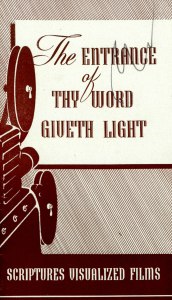
In the 20th century, Archives became museums of obsolete technology, collectors of valuable records in formats no longer commercially viable or practical. This growing list includes wax cylinders, wire recordings, analog audio tapes, audio cassettes, microcassettes, Dictaphone disks, 1” and 2” video reels, U-Matic video cassettes, VHS and Beta cassettes, as well as 8mm and 16mm films.
From the mid-1930s through the late-1980s, 16mm film was a very popular medium for schools, businesses, churches, and parachurch organizations. The Evangelism & Missions Archives has hundreds of movies in these formats (especially 16mm), as well as the production and correspondence files of evangelical film companies. Meant to be shown in church or at church events, these movies were particularly thought to be a means of attracting young people to church.
Continue readingA Good Stenographer, Spirit-Filled, Can Always Be Used
In celebration of Women’s History Month, Wheaton Archives & Special Collections commemorates the many contributions from women whose unique voices and experiences are documented throughout our rich collections. This March, we highlight the life and missionary service of Hulda Stumpf, a missionary to Kenya from 1907-1930.
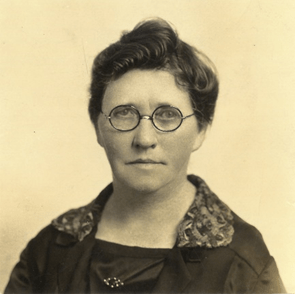
A native of Pennsylvania, Stumpf left the comforts of her middle-class, Midwestern life for the unknown challenges of missionary service as a single woman in British East Africa in 1907. During her two decades of service at the Kijabe Mission Station in Kenya, Stumpf became an outspoken advocate for the education and advancement of women and girls from the surrounding indigenous ethnic people groups. Her willingness to challenge the long-cherished cultural mores and religious rites resulted in her tragic murder at the age of 62.
Continue reading“They Called Him the Jesus Man”: Montrose Waite and the Afro-American Missionary Crusade
In celebration of Black History Month this February, Wheaton Archives & Special Collections commemorates the legacy of Montrose Waite, dedicated missionary to Africa and founder of one of the first independent Black faith missions in America, the Afro-American Missionary Crusade.
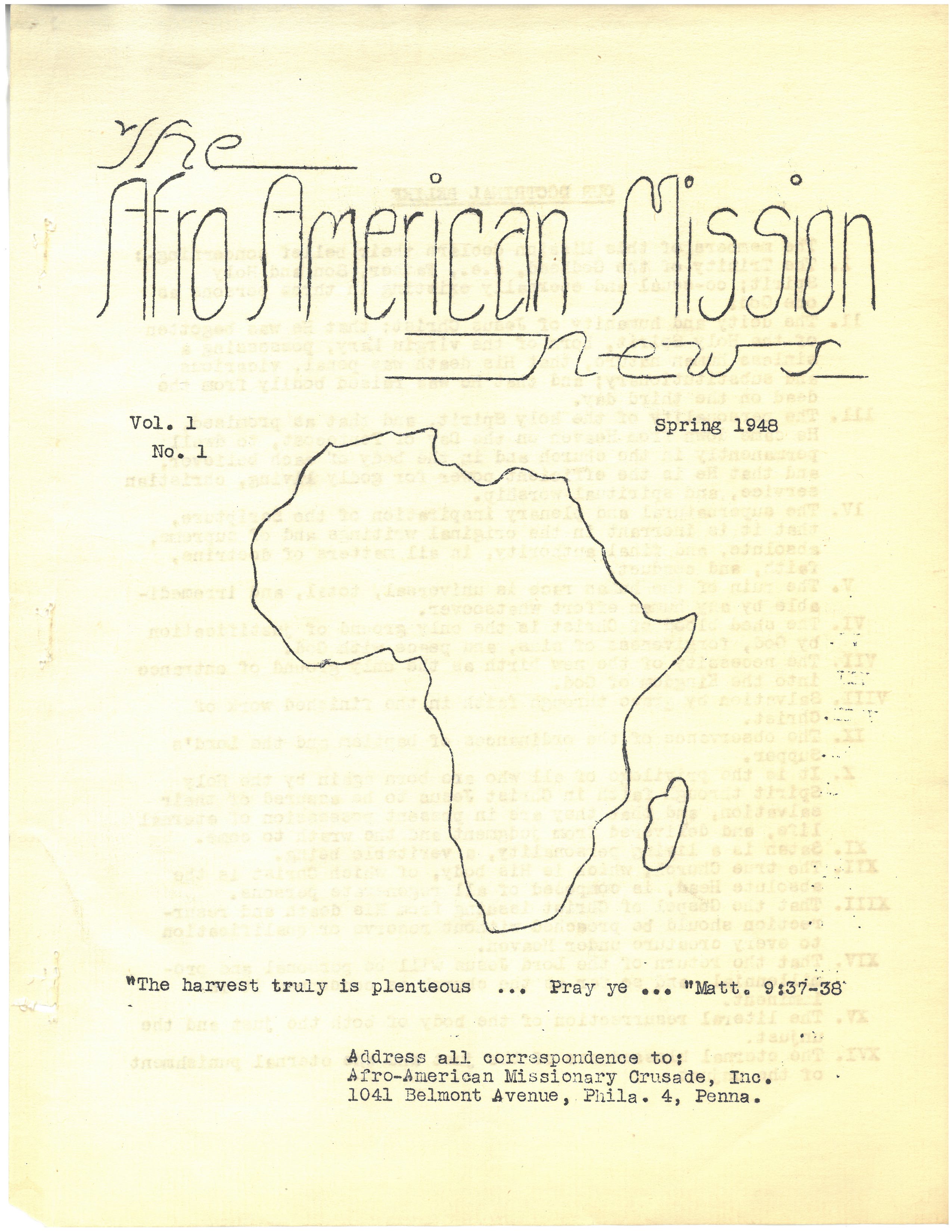
Born 1893 in Jamaica, Waite immigrated to the United States in 1916 with the promise of munitions factory work created by the ongoing World War. Settling in New York City, he wrote of his interest in missions to Dr. A. B. Simpson, founder of the Christian and Missionary Alliance (C&MA), who encouraged him to seek out missionary education at the C&MA’s Nyack Institute.
Continue readingLooking Back on A Year of New Old Stuff

“Collection” and “Accession” are words used all the time in the archival profession. In Wheaton Archives & Specials Collections, an accession is material received from a single donor, usually an individual or an organization. It might be a single folder or hundred of boxes, with only a general inventory to use as a finding aid. A collection is a set of materials (perhaps including paper-based records, photographs, audio or video recordings, etc.) that has been fully arranged and described. Most of our collections have been formed from several accessions. Here in the Archives & Special Collections, both collections and accessions are open for research (unless there have been donor-requested restrictions) but the lack of a complete finding aid and access points can make accessions difficult to locate or use for research.
Continue readingSnapshots of Global Missions
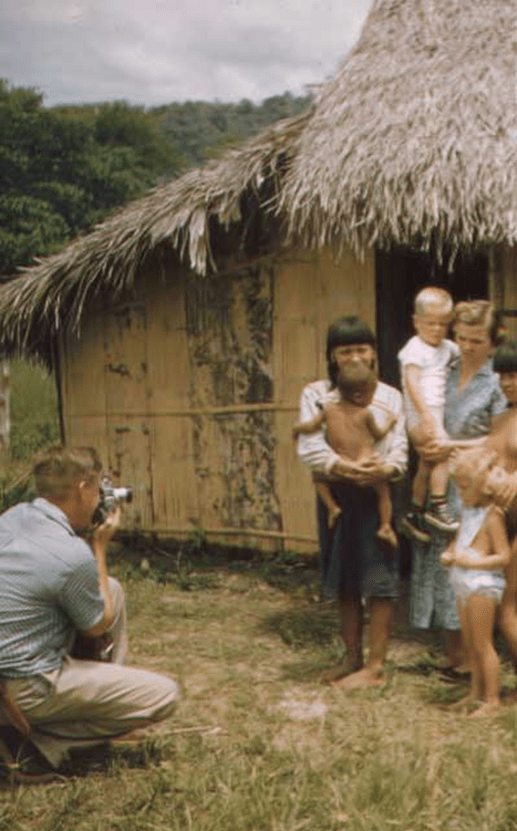
Missionaries often find themselves in disparate places all over the world, and even though their primary role is not to be photographers, many have a camera in hand to capture landscapes, peoples, rituals, homes, costumes, daily activities, ministry activities, staff group shots, and more. Sometimes the images are intended for use in prayer letters or marketing efforts by their agency or sending church. Other times missionaries, like amateur anthropologists, are perhaps among the first to photograph a people group, such as Elisabeth Elliot’s shots of the Waodani people in Ecuador.
As we archivists say to budding researchers, understanding why a document is created (including photographs) is one key to interpreting the document. Knowing the original contexts and the intended use of these photographs helps us understand them more deeply.
Continue readingA Legacy of Women’s Healthcare in China
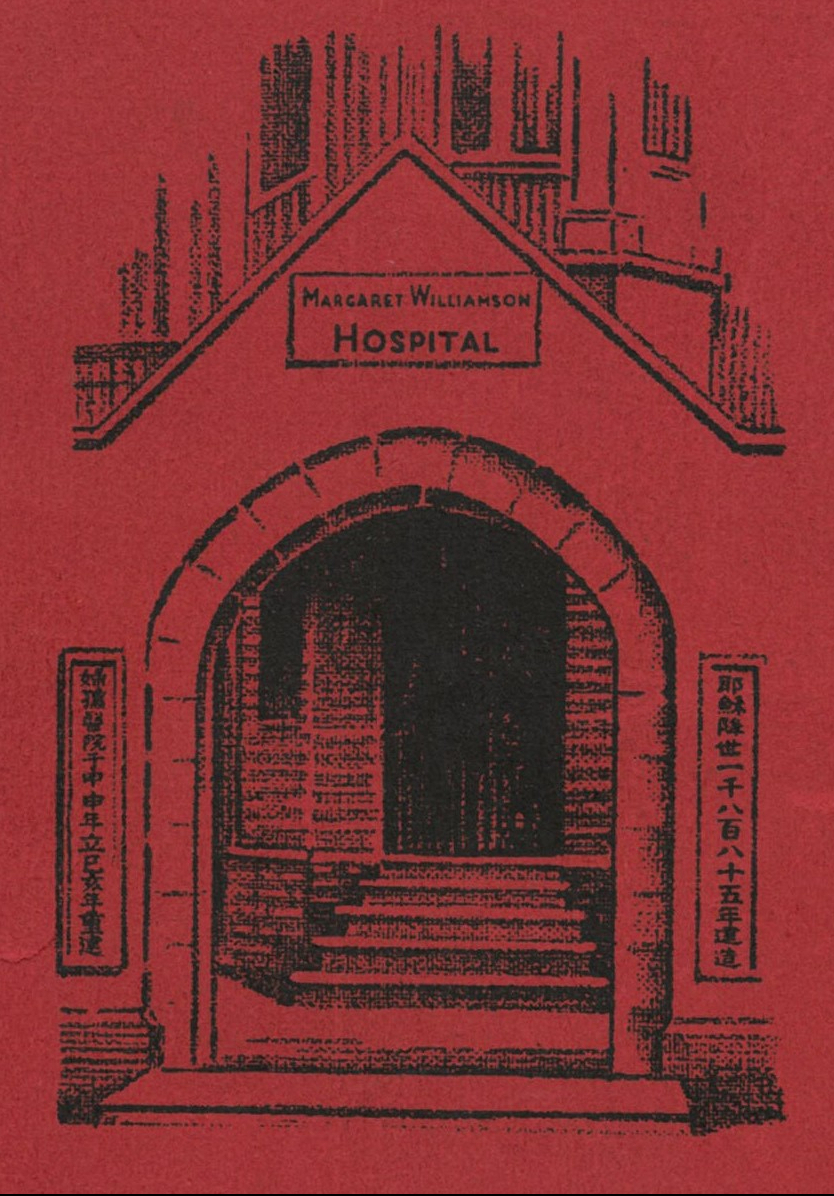
Across the history of global missions, evangelistic work has often been closely tied with practical or humanitarian outreach, especially care for the sick and hurting. The Wheaton College Billy Graham Center Archives holds the records of many such missionary doctors, nurses, and mission hospitals. One of the oldest mission hospitals represented in our collections is the Margaret Williamson Hospital, opened in 1885 in Shanghai, China under the Woman’s Union Missionary Society of America for Heathen Lands (commonly referred to as Woman’s Union Missionary Society or WUMS).
Continue readingOut of War, An Open Door for the Gospel: Commemorating 75 Years of SEND International
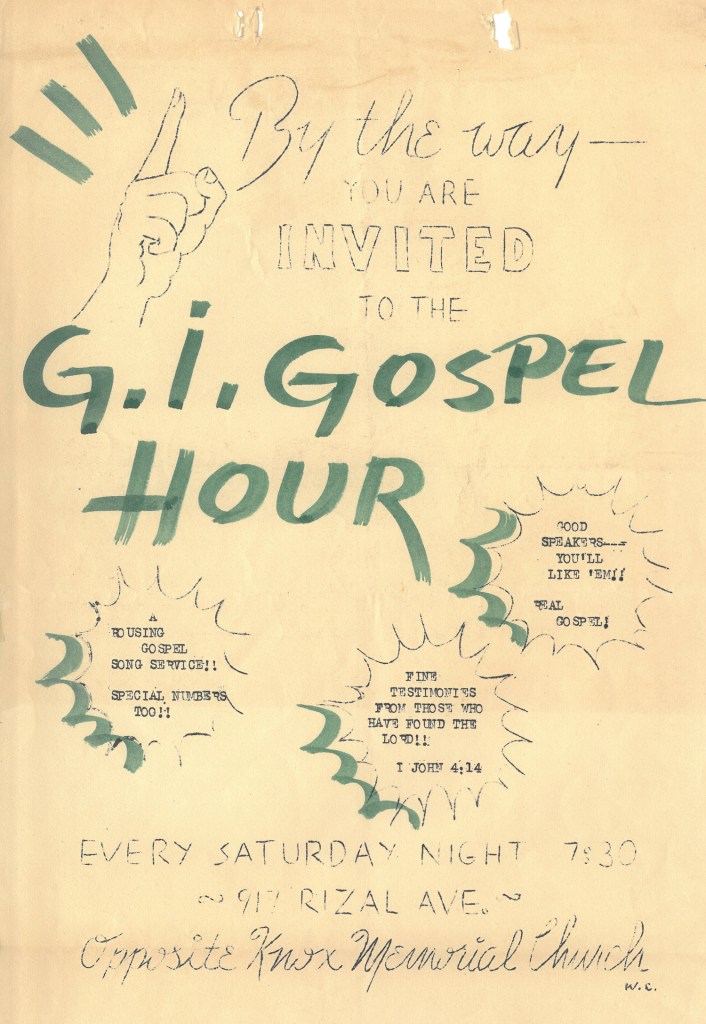
World War II not only commanded the world’s attention and shaped international politics but also proved to be a decisive moment for North American missions’ history. Young American men and women military personnel traveled the world, saw the war’s devastation, and came face-to-face with the spiritual needs of the local populations. Their war experiences shaped the college educations they returned to the U.S. to complete and the futures they later stepped into.
But the context they returned to was also evolving. American Evangelicals were emerging from their isolation following the Fundamentalist-Modernist controversy of the 1920s to take a more active role in church, politics, entertainment, education, and business. The National Association of Evangelicals was formed, the roots of Billy Graham’s ministry were already taking hold, Inter-Varsity Christian Fellowship, Navigators, and Campus Crusade for Christ were established on college and university campuses, and Youth for Christ was on the move among American high school students. Out of this convergence of factors grew new mission agencies, including the Far Eastern Gospel Crusade (FEGC), now known as SEND International.
Continue readingMapping History: Tracing 125 Years of Africa Inland Mission
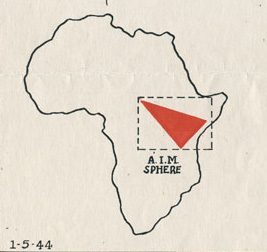
Maps are a common feature of archival collections, and the Wheaton College Billy Graham Center Archives is no exception. The Archives’ oversize storage cases contain a wide variety of maps—thematic, navigational, topographical, and even blueprints—used for diverse range of research topics and as a popular tool in archival instruction sessions. As primary sources, maps require a specific set of skills to “read” and interpret. Like all items held in the Archives, maps are social documents, reflecting both the intentions and abilities of their creators (cartographers) as well as the needs and expectations of their anticipated users. Maps tell stories. While a single map can capture a landscape, metropolitan grid, or continent frozen in time, a series of maps can document gradual or abrupt change, like shifting national or regional boundaries, erosion of natural landmarks, or rapid urbanization. No map, however extensive or detailed, can be entirely authoritative. They are not neutral documents—maps reveal the political and cultural perspectives and biases of their creators. They can erase as well as document borders, languages, people groups, or landmarks. Finally, maps are frequently described in purely functional terms, providing information and direction to users, but in many cases they are also highly ornamental, utilizing artistic techniques to feature specific geographical or topographical features.
Continue reading
