This month, Wheaton Archives & Special Collections features a guest post on the history of Wheaton College’s opera program from Stephanie Chiodras, a 2019 graduate of the Wheaton College Conservatory Voice Program. Stephanie currently serves as the Archives & Museum Coordinator and continues to perform professionally in Wheaton and in the Chicagoland area.
Every year, the Wheaton College Conservatory Voice Department provides masterful performances of an opera or musical as a requirement for their degree. Students perform a full Mainstage Opera (MUEP 357) every other year, and a musical, or double-bill of single-acts or smaller works for the years in between. The ensemble is cast late in the Spring semester, and incoming freshmen can audition for chorus parts upon their arrival in the fall. The students rehearse all through the Fall Semester with a performance in January, after which Opera Workshop or Opera Musical Theater (MUEP 356) begins with a performance near finals week of Spring Semester.
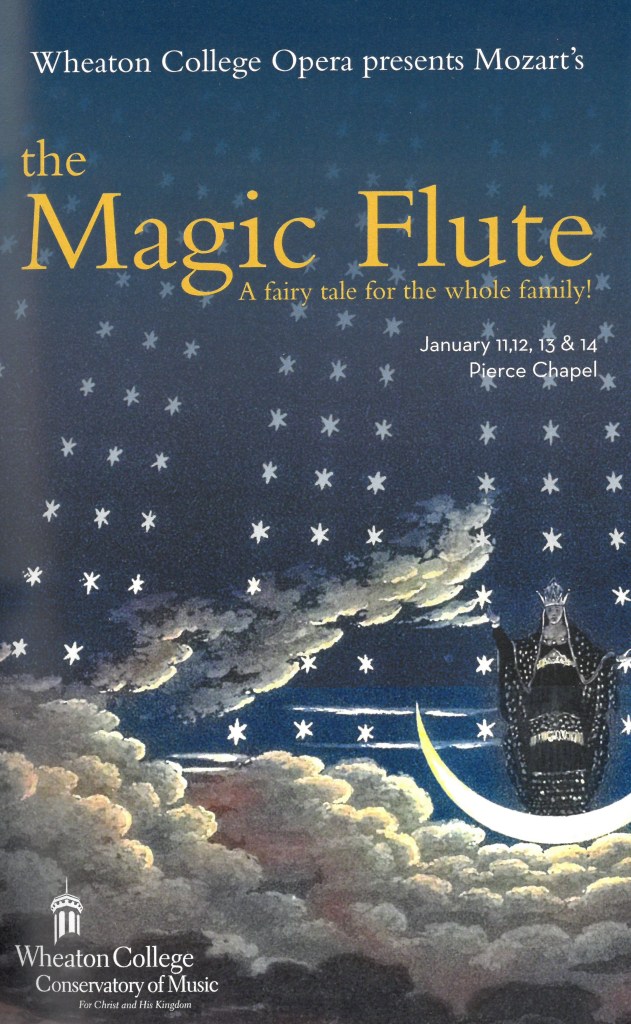
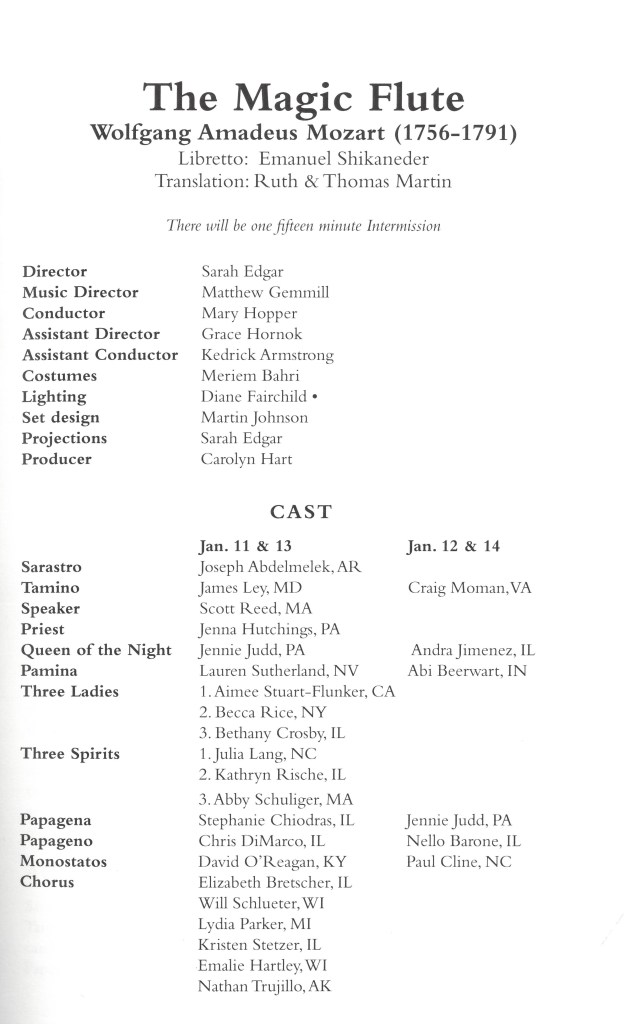
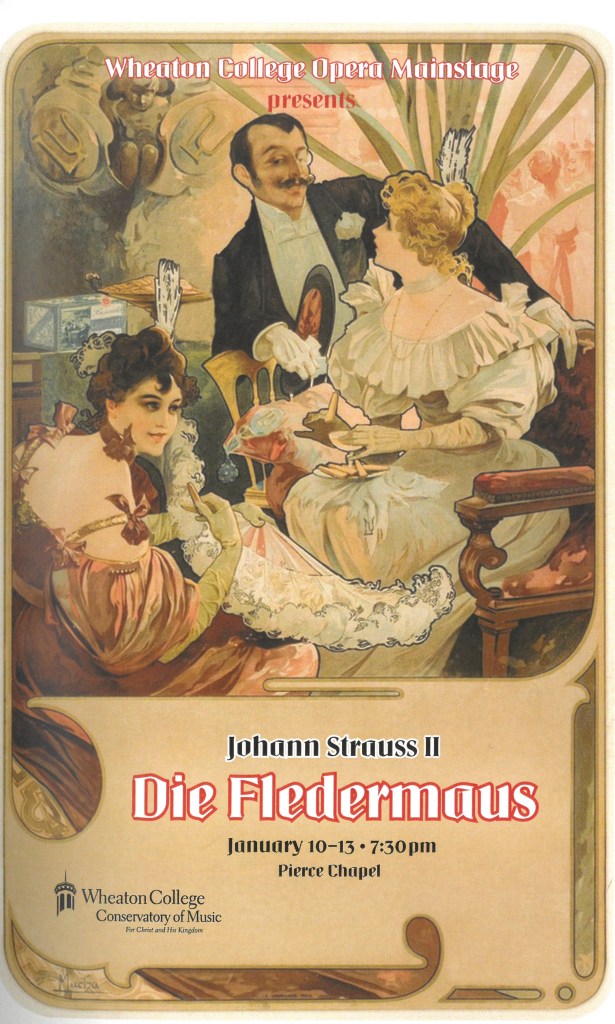
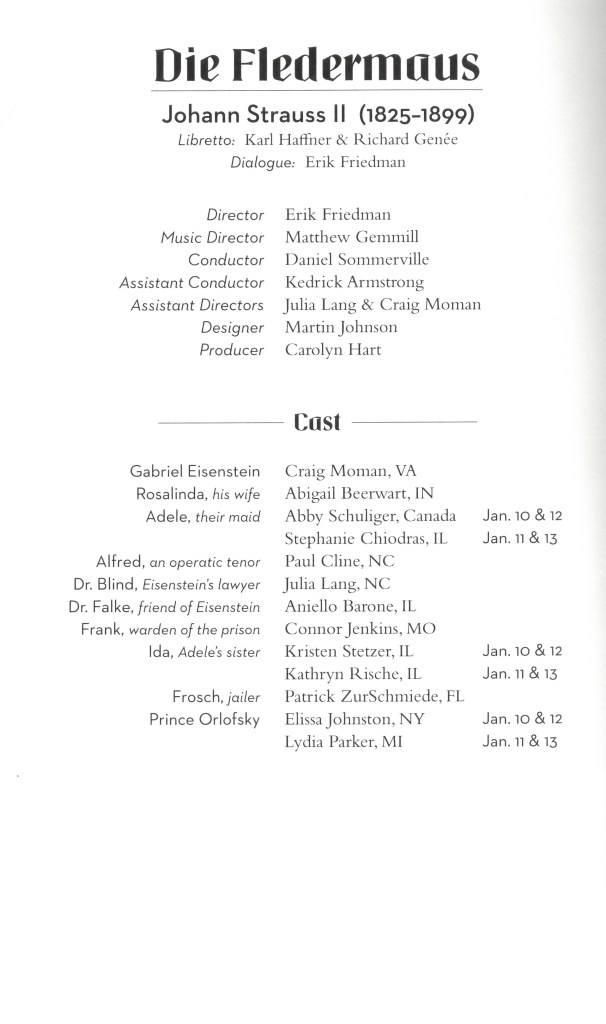
The Opera Workshop allows singers to delve deeper into the mechanics of performing an operatic role on stage, by performing a collection of scenes rather than full works. Many voice students will go on to perform in professional operas and operettas, so this scene work provides them with the skills needed to prepare for an operatic role. This preparation includes detailed language and diction work, acting and movement exercises, and character discussions. And, as the February 20, 1970 Wheaton Record described, “The Opera Workshop is designed to give performers and audience an appreciation for opera.”
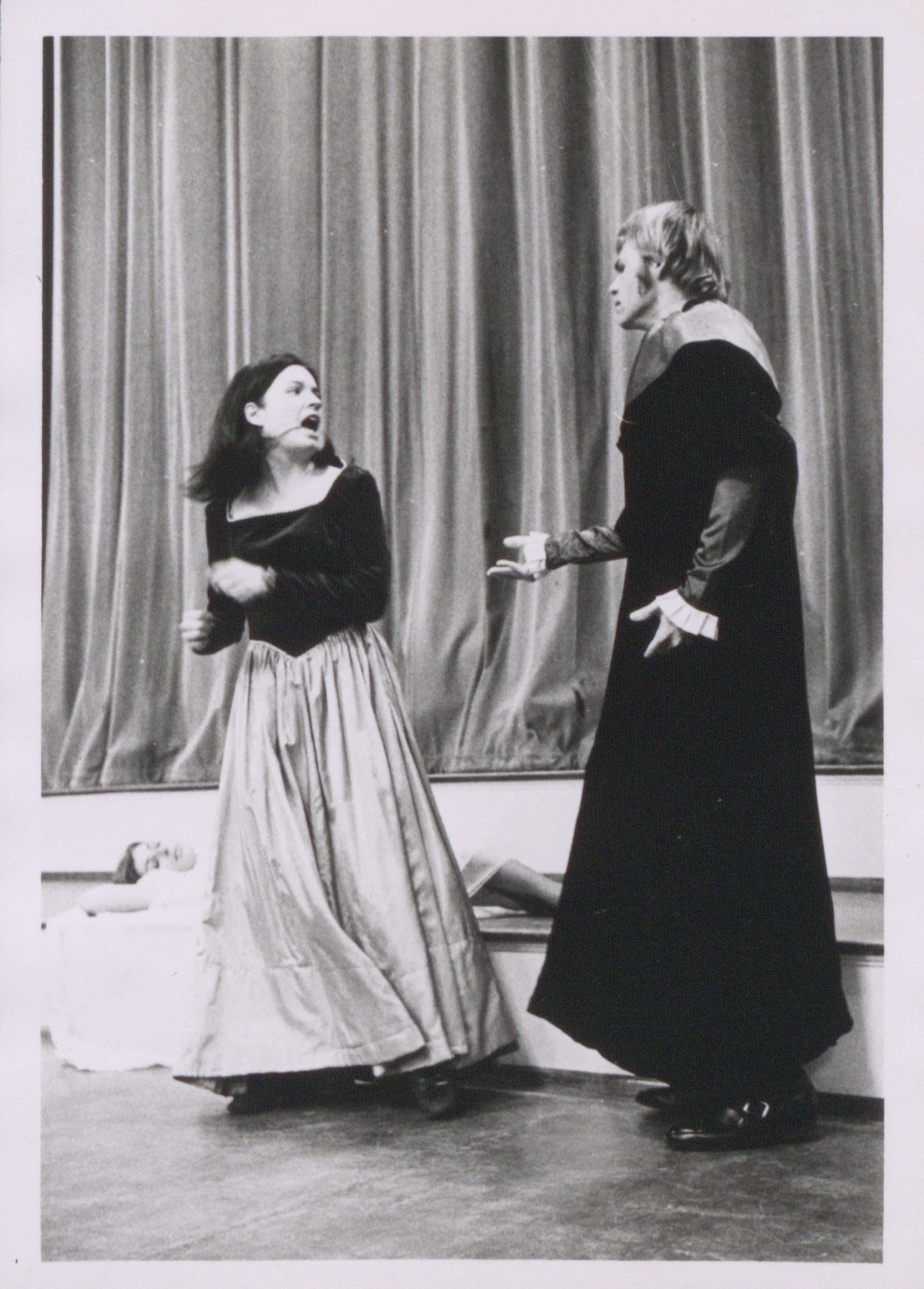
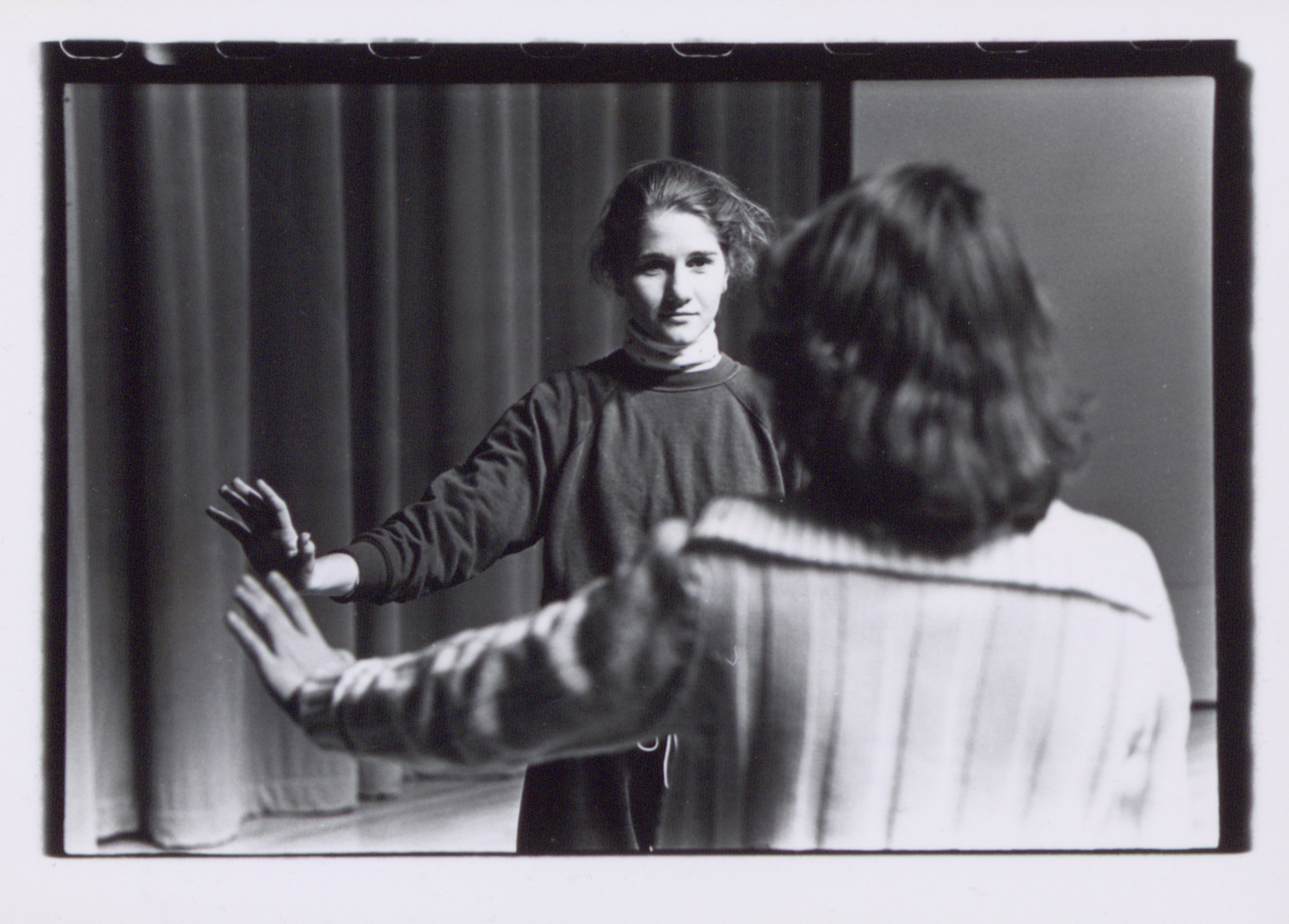
Otello “Opera Workshop” 2/20/70, John Clarke (Otello), Mary Sanders (Emilia), Becky Scherich (Desdemona), Wheaton College Archival Photograph Collection, CA-B01856; Acting exercises “Opera Workshop” ca. 1985, Wheaton College Archival Photograph Collection, CA-B11194.
The current head of the voice department, Dr. Sarah Holman, has led the opera program for the last several years. The voice faculty frequently take turns directing and producing the performances, but they also often hire guest directors externally to work with the students, depending on the resources allowed. In addition to teaching and mentoring private students year-round, their job is to thoughtfully cast students into the appropriate roles according to their voice type, personality, and potential as a well-rounded musician. Other important tasks include creating the rehearsal schedule, promoting the upcoming performance around campus and community, and assembling a collaborative and creative production team that will allow these young singers to be excellent in their performance.
Emphasizing the importance of the program, a cast member from 1970’s workshop explained to the Record, “most of the performers have never been on stage. They have had a lot of experience in the technical background but have never had the opportunity to try out their wings” (Wheaton Record, February 20, 1970). While many incoming students have likely been in high school choir, plays, or musicals, few have the opportunity to learn an opera, let alone an opera in another language. Conservatory students spend much of their time in music theory, aural skills, and often language classes all week, honing the technique of their craft, in addition to private lessons with their teachers an hour a week. It is in these performances where all their hard work pays off, and they really get to shine.
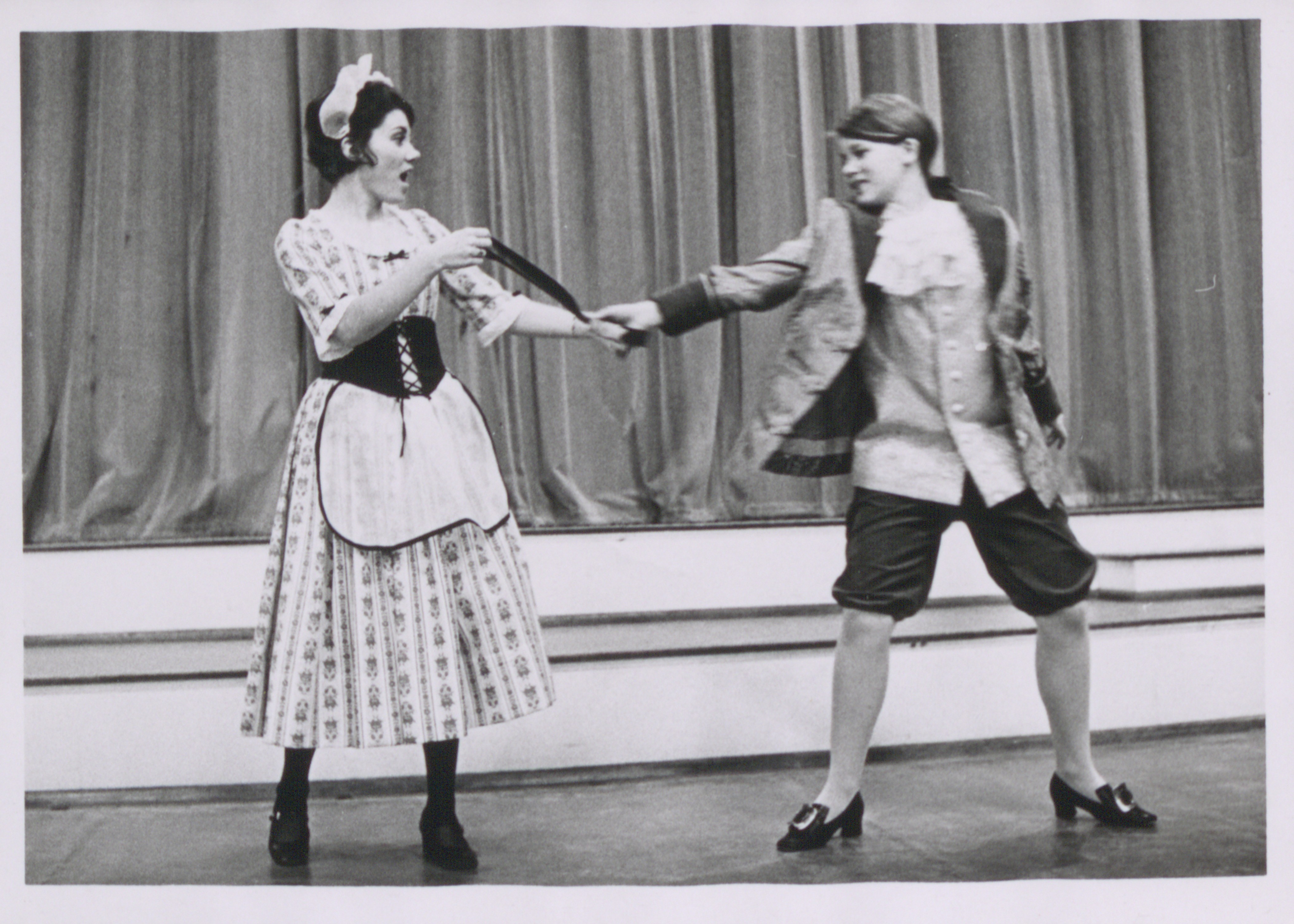
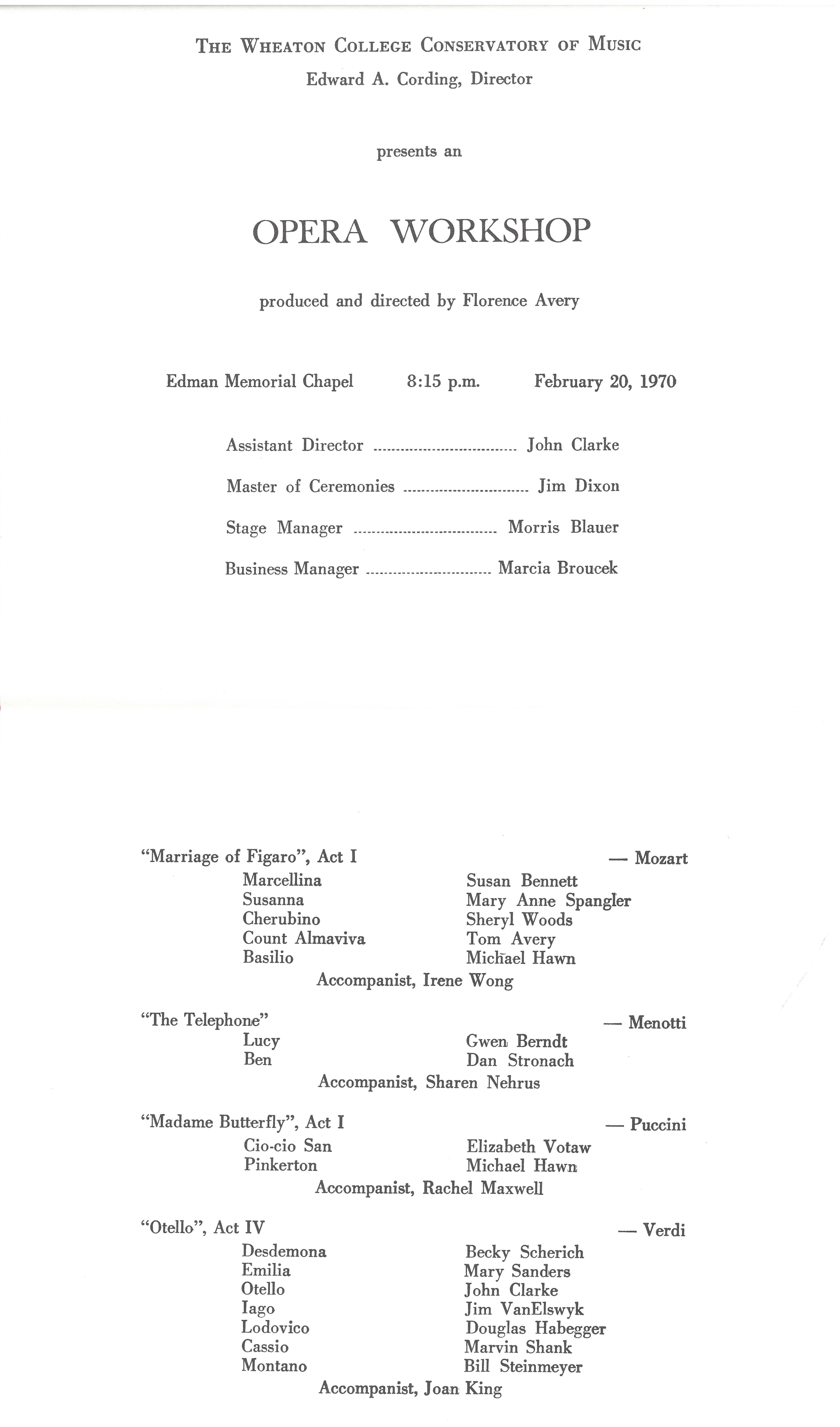
Marriage of Figaro “Opera Workshop,” 2/20/70 featuring Mary Anne Spangler (Susanna) and Sherry Woods (Cherubino), Wheaton College Archival Photograph Collection, CA-B01855. The Marriage of Figaro program from 1970, 1969-1970 Conservatory programs
The Wheaton College Archives holds every Conservatory Program dating back to the 1960s, as well as scattered programs from the 1890s to the 1950s. A close review of these programs also reveals Wheaton’s evolving relationship with opera – Wheaton College did not perform opera in its entirety until the late 1960s or early 1970s. Up until that point, the operatic performances were limited to oratorio, large-scale compositions of a biblical or sacred text, like G. F. Händel’s Messiah, or Felix Mendelssohn’s Elijah.
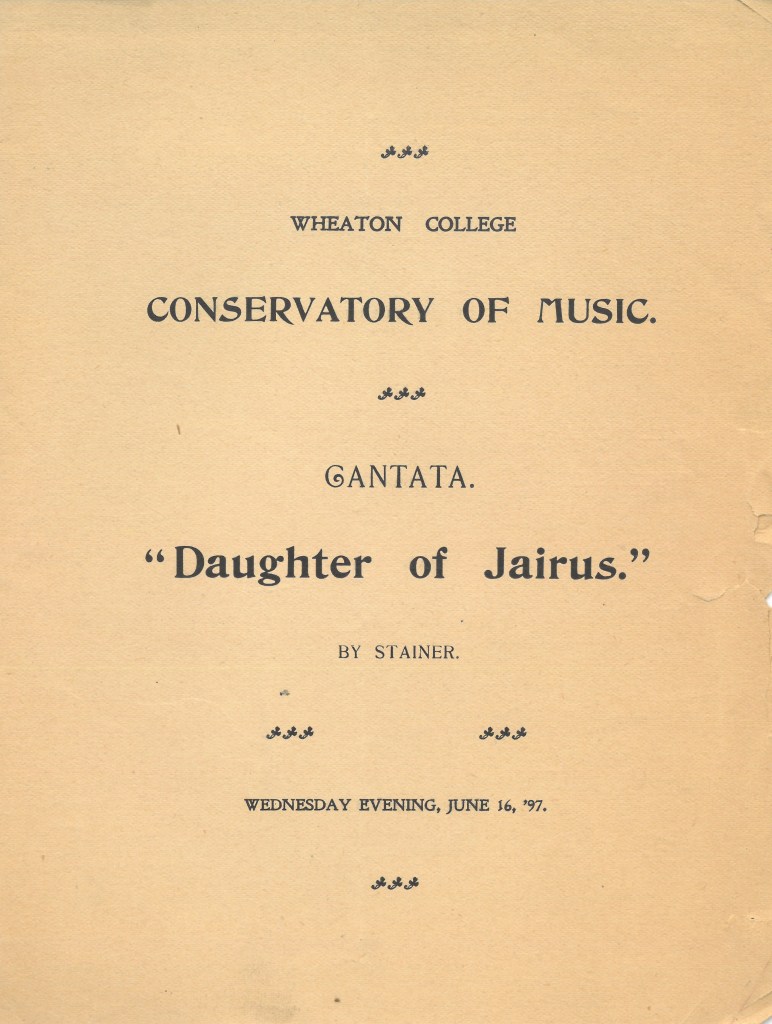
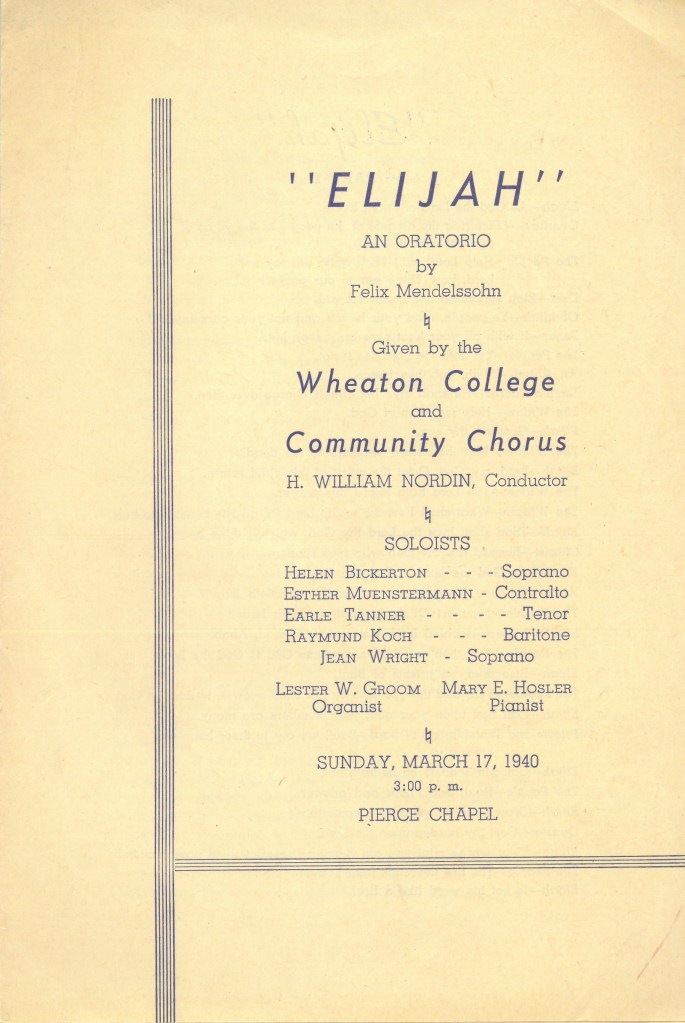
Although the reason is not directly stated in the existing records, Wheaton’s restrictions against movies and secular theater until the mid-1960s hints that the absence of opera in the voice program may have been due to the secular nature of some operas, and that the College likely did not encourage such material performed at a Christian organization. Since the change in the College’s policy toward drama, however, the Conservatory and specifically the voice faculty have deemed all opera an important part of education for voice students and continue to champion this art form. Although there are records of opera performances at Wheaton from the late sixties, Wheaton’s Opera Musical Theater as it is known today first became a regular class in 1991.
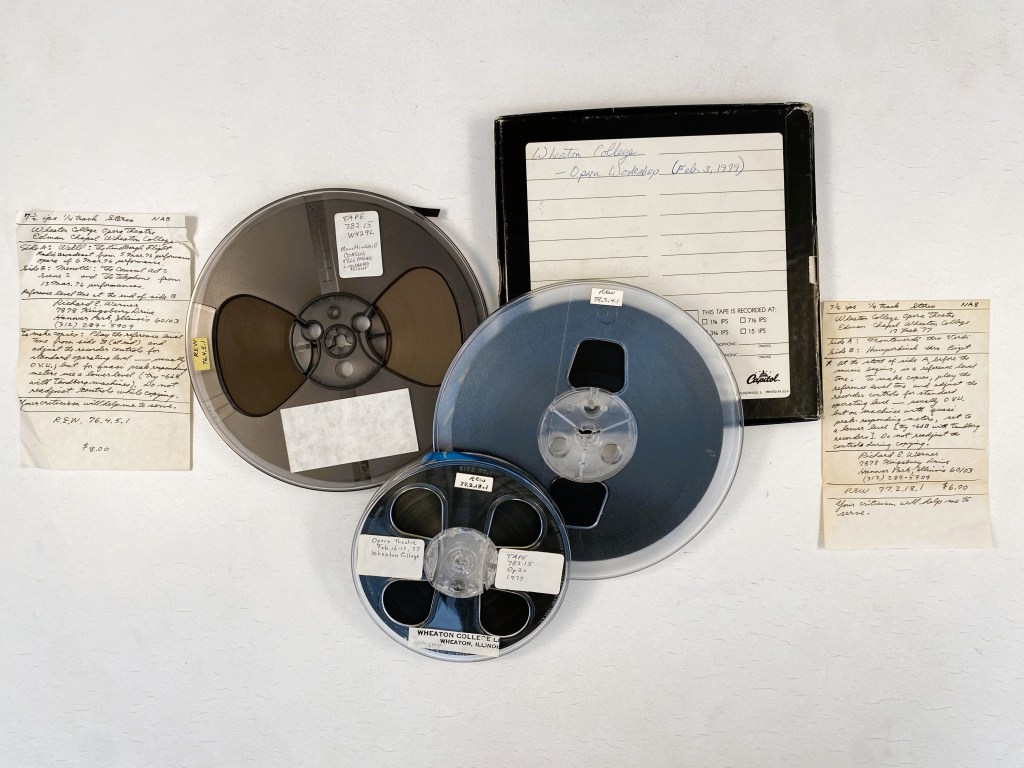
The Archives holds several VHS tapes of opera performances from the late 1990s through the early 2000s that can be viewed in the Reading Room. A few of the earlier performances from the 1970s are preserved on cassette or reel-to-reel tapes. Listen to the audio of two of our earliest recordings digitized from reel-to-reel tapes: Kurt Weill’s The Lindbergh Flight radio broadcast from a 1976 performance, Act 2 of Gian-Carlo Menotti’s The Consul and The Telephone from March 1976 performances; and selections from W. A. Mozart’s The Marriage of Figaro from March 1978.
Singers at Wheaton College have been entertaining the campus and surrounding community for many decades with their talent and dedication to the art of opera and will continue to share their love of performing for many more decades. Don’t miss Opera Workshop’s next performance Friday, May 1 in the Armerding Concert Hall, and keep updated on the Opera Mainstage program through the Wheaton College Conservatory website. Visit the Wheaton College Archives and Special Collections to learn more about the history of the Conservatory and performing arts at Wheaton College.

