The Jim Elliot Bible Project

Ava Pardue and Mariah Sray

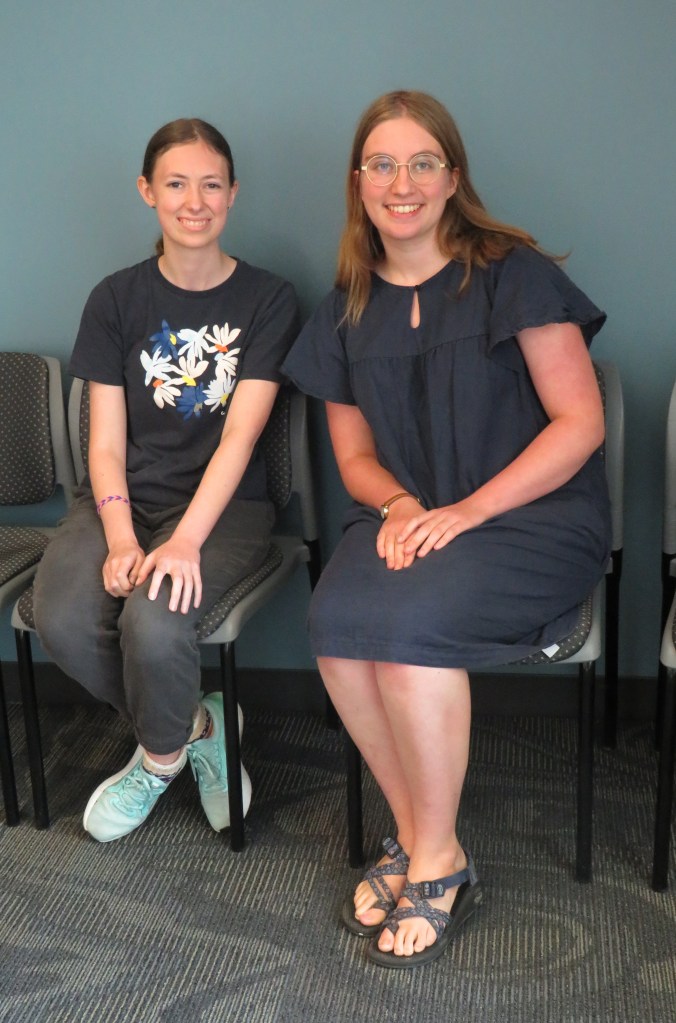
In November of 2024, Wheaton Archives & Special Collections collaborated with the Museum of the Bible to digitize Jim Elliot’s three college-era annotated Bibles held in CN 277: Jim Elliot Collection. After digitization was completed in February 2025, two archives interns, Ava Pardue and Mariah Sray, both part of Wheaton’s Aequitas Fellows Program in Public Humanities and Arts, spent the summer indexing all the annotations in the Bibles.

Ava Pardue just finished her freshman year at Wheaton. Along with being an Aequitas Fellow, she plans to major in English and Classical Languages. Mariah Sray is a senior at Wheaton with a major in Classical Languages integrated with Choral Studies.

Below, we feature an interview with Ava and Mariah about their work on the project.

What drew you to the Jim Elliot Bible project?

Ava: When I heard about the opportunity to work with Elliot’s Bibles, I jumped at the chance to engage with language, theology, and history in a way that could be useful to the public. One of the three Bibles is a Greek New Testament, which I was particularly interested in studying with the knowledge of Koine Greek that I’ve picked up during the last several years. And ultimately, I think the biggest thing that drew me to the project was a chance to look at Jim Elliot—a man hailed as a martyr, hero, and catalyst for modern missions—as an ordinary college student.

Mariah: An interest in exploring archival work drew me to this internship, but I was also curious to learn more about Jim Elliot. I knew the broad contours of his death in Ecuador but wasn’t familiar with the details of his life. I was also interested to how Jim interacted with his Bible, especially his Greek New Testament.

Continue reading

“Por Una Patria Mejor”: Evangelism-In-Depth in Latin America

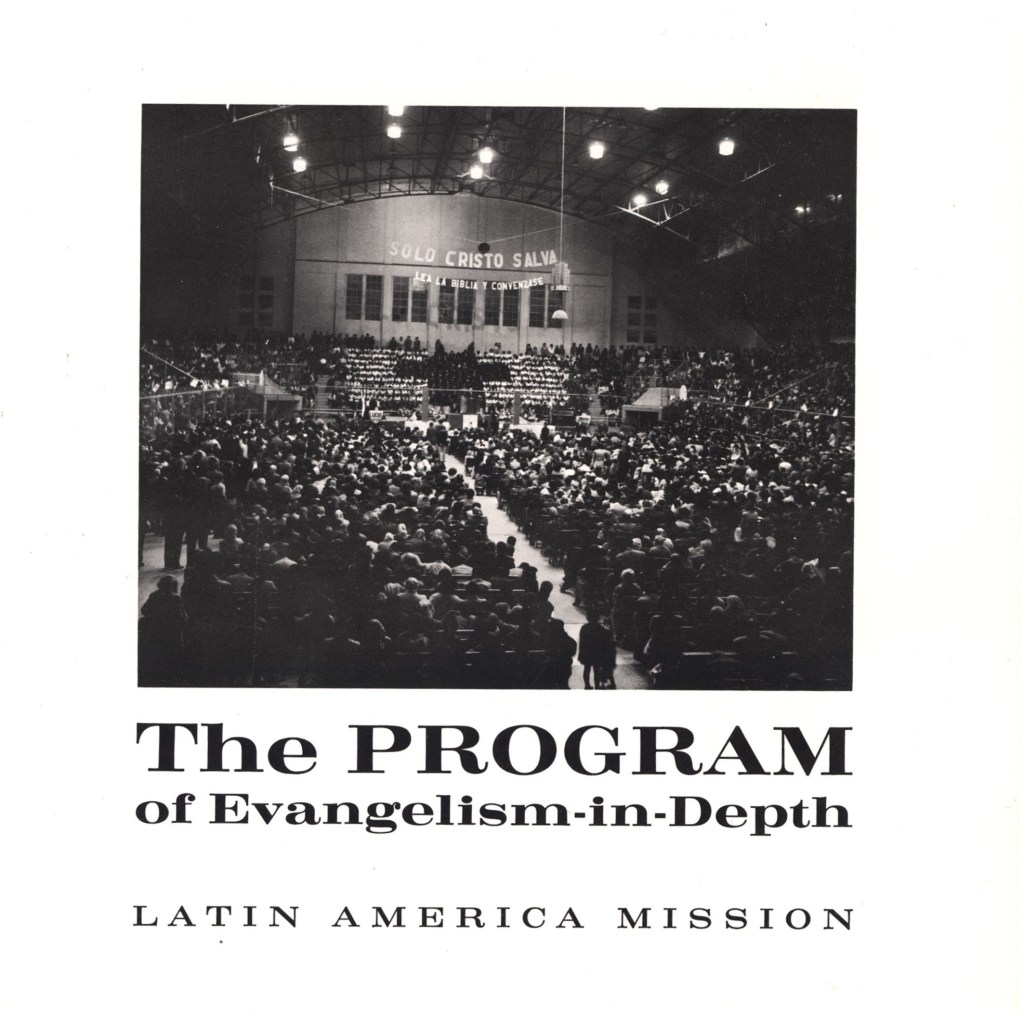
After a decade of citywide evangelistic campaigns through the 1950s, Latin America Mission and LAM director, Robert Kenneth Strachan, launched a new program for mass evangelism in 1959 — “Evangelism-in-Depth” (E/D) or, as it was known in South America, “Evangelismo a Fondo.” Building on LAM’s efforts to “Latin Americanize” mission work, the program grew from Strachan’s central principle that “the growth of any movement is in direct proportion to the success of that movement in mobilizing its total membership in the constant propagation of belief” (E/D Manual, CN 236, Folder 138-7).

E/D shifted the focus of evangelism from presenting a single professional evangelist in a one-time event to a countrywide, congregation and laity-based, year-long effort. Proposing “a lasting revolution in missionary strategy,” the E/D program sought to impart “an increased vision and a renewed conviction” to individual Christians, local churches, and national leaders “that the total evangelization of their community in their generation is a distinct possibility and their definite responsibility” (Folder 138-7).

While designed to be adapted to different regional contexts, the core of the E/D program consisted of organized prayer, training for lay Christians, preparation for counselors, follow-up with new Christians, widespread publicity, door-to-door visitation, local and regional evangelistic meetings, regional and national parades, radio and television programs, and widespread Bible and tract distribution. The program flourished on a broad scale in fourteen Latin American countries until 1971, continuing afterwards in Mexico.

Continue reading

Seeing with Both Eyes: Church History in a New Perspective

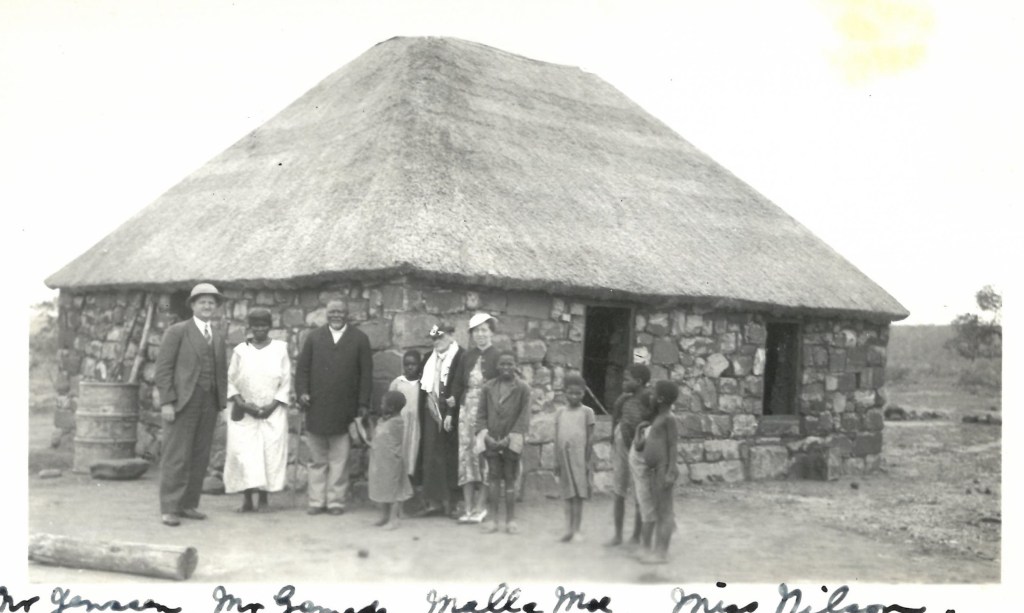
Malla Moe was a legend among missionaries during her own lifetime. Born in Norway in 1863, she immigrated to Chicago as a young woman to live with her sister. However, after meeting Frederick Franson and hearing of his work with the nascent Scandinavian Alliance Mission, she felt a strong call to missions. In 1892 she traveled to Port Natal (Durban) in South Africa to begin missionary and language training. She then went to live and work in the Swaziland (now Eswatini) countryside, traveling between Swazi homesteads (sometimes called kraals in Afrikaans). From that time on, in the words of one biographical dictionary, “she served as evangelist, church planter, teacher, and preacher.”  Although she often rubbed other missionaries the wrong way, she loved and was loved by her African congregations. When it became difficult for her to walk, she traveled in a specially built gospel wagon. By the time of her death in 1953, Swaziland and Tonga were dotted with the dozens of churches she helped to found.

“This is a church. A good evangelist, Johann Muosi[?], died there like a good soldier in the fever country for the work of God. He left his good home for Jesus’ sake. He was happy when he went to be with the Lord. Malla Moe.” (From Acc. 2007-031).

That is the story told in many Western histories of missions. But it is incomplete. (An exception is TEAM’s own history, God Made It Grow, by Vernon Mortenson). Some of those histories mention a Swazi helper named Gamede or sometimes just indicate she had an anonymous native helper. Sometimes no African worker is mentioned.

Continue reading

A Trip Down the Río Sinú

The Biblical call to “make disciples of all nations” has driven missionaries to some of the most remote regions on earth—areas inhabited by indigenous peoples with diverse languages, religions, and cultural traditions. From the steppes of China and the Pacific islands to the Andes highlands and the African Sahara, missionaries have striven to carry the Gospel to all communities and peoples across the globe. Wheaton Archives & Special Collections preserves extensive records of missionary work among indigenous communities in remote and urban settings, including outreach to the Lisu and Hmong people in Asia, the Zulu and Kikuyu in Africa, and the Zapotec and Waodani in the Americas, among many others.

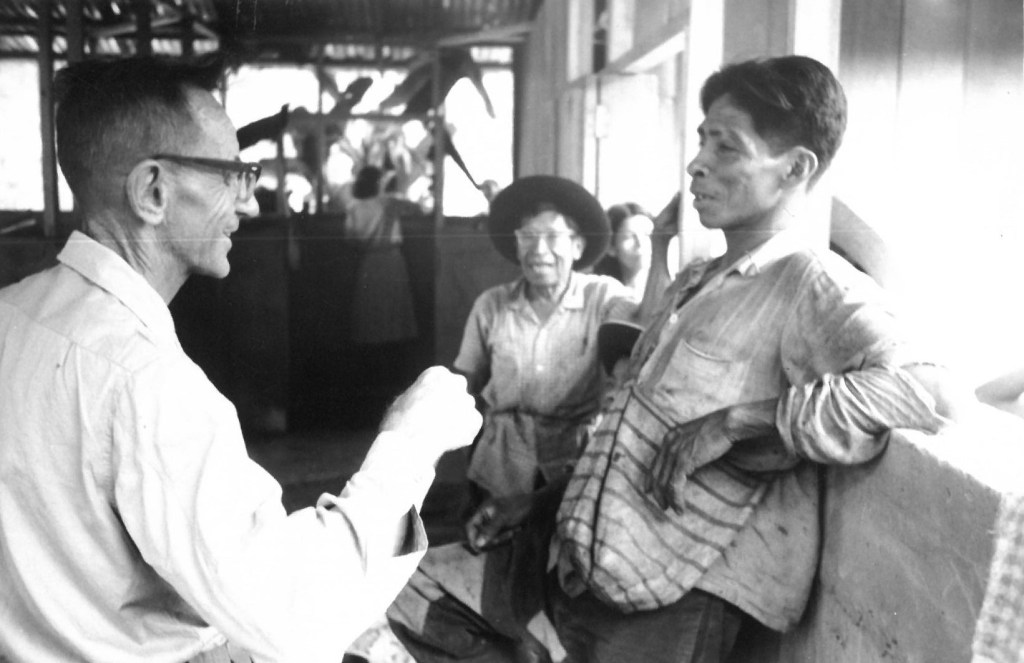
This month, we feature a pictorial report from missionary Ernest Fowler that documents the early stages of Latin America Mission’s outreach to the Emberá people of northern Colombia.

Ernie Fowler with two men in Colombia. (Photo File: LAM – Colombia).
Continue reading

The Zamzam Sails Again

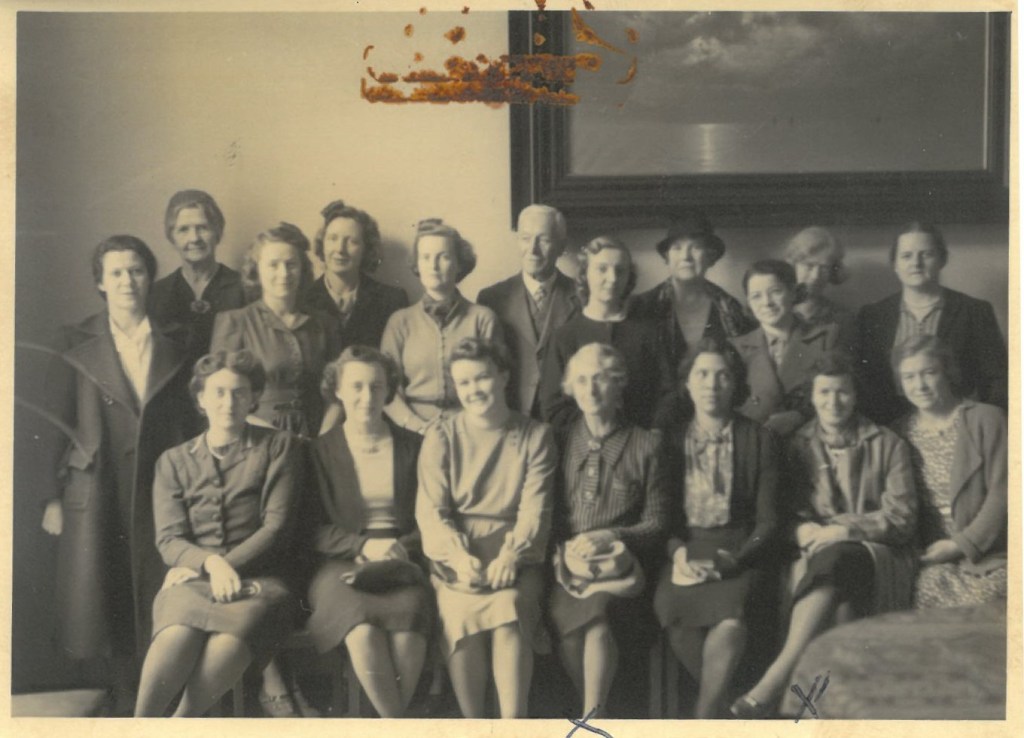
On March 19, 2025, the Evangelism Missions Archives received a wonderful item for its Zamzam collection (Collection 624): A 58-page typescript with handwritten notes of a diary kept by one of the ship’s passengers, along with a photo.

Photo included with the transcript. The back reads, “Released internees (Shipwrecked), S. S. Zam zam [sic], S. S. Port Brisbane.” The only man in the picture, in the back row, is Dr. Dudley Wright. Perhaps the older woman, sitting down slightly to his left, is Ethel Wright. The Port of Brisbane was torpedoed near Australia in November 1940.

The Zamzam was an Egyptian vessel which had been chartered in early 1941 to take passengers to Africa, including over 100 missionaries. Travel was dangerous, of course, because war had broken out between Germany, Great Britain, and France and was being waged on land and sea. As a civilian vessel under a neutral flag, it should have been exempt from attack. However, the German commerce raider Atlantis mistook it for a troop transport and started shelling the ship on April 17, 1941. The captain of the Zamzam used a flashlight to frantically signal the German ship that the Zamzam was a noncombatant vessel with women and children aboard and the German stopped the attack, but the damage was done. The Zamzam was sunk. However, all the passengers and crew were pulled out of the sea by the Germans. They were transferred to a German supply ship and taken to Nazi-occupied Europe. America was not yet in the war, so American citizens were repatriated back home. But all British citizens, as well as members of the British Empire such as Canadians, were sent to German internment camps where many stayed until the end of the war in 1945. For about one day, the sinking of the Zamzam was big news in American and British newspapers, until it was known that all passengers and crew had been plucked from the waters.

Continue reading

50 Years of the Billy Graham Scholarship Program

In 1974, Wheaton College and the Billy Graham Evangelistic Association embarked on an ambitious project – The Wheaton College Billy Graham Center. While the beginnings of construction on the expansive College Ave building was the most visible sign of the new plans, the purpose of the Center was fixed not in a building but in the diverse work of the global church. As a 1976 slide presentation promoting the Graham Center outlined, “The three basic goals of the Billy Graham Center are, first, to advance Biblical evangelism and to contribute to world evangelization. Second, to cooperate as widely as possible with all evangelical Christians in advancing world evangelization in every possible way, and third, to reflect and extend the evangelistic ministry of Billy Graham.”

Billy Graham Center pamphlet, c. 1980s. (Acc. 2017-042).

Integral to plans for “advancing world evangelization” at the new Billy Graham Center (BGC) was the desire to support students “who will go from the Center with the Gospel of Jesus Christ into foreign missions, evangelistic organizational leadership, humanitarian efforts, and so many, many more wonderful ministries.” This vision took tangible form through initiatives like the BGC Scholarship program, which aimed to equip international students for global ministry leadership. In the fall of 1975, international students from South Africa, Kenya, and Australia received the first BGC Scholarship funds to begin their studies in the Wheaton College Graduate School.

Continue reading

New Old Stuff in the Archives: 2024 Edition

As we celebrate the start of a new year, Wheaton Archives & Special Collections looks back at some of the interesting accessions of historical documents that the Archives received in 2024 and the new or updated collections we processed and opened to researchers.

New Accessions

For almost seventy years, the story of missionaries’ attempts to bring Christianity to the Waorani people of the Amazon (called the Aucas by their enemies) has been well known to American evangelicals. This year we received the files of Dr. Kathryn Long, who wrote God in the Rainforest (2017), which tells the story from the killing of the five missionaries who first made the attempt to reach the Waorani in 1956 through the development of an Indigenous Christian community among the Waorani in later years. She generously gave her voluminous research files and relevant books to the Archives, including material from her own trips to Ecuador and documents about her work on the staff of Campus Crusade in South America in the 1980s.

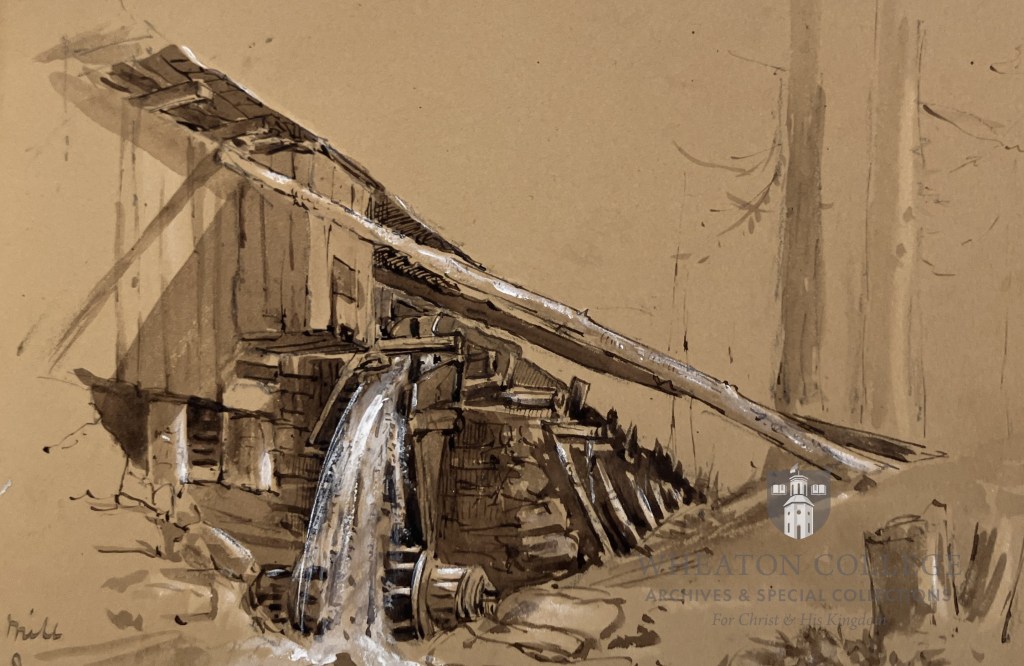
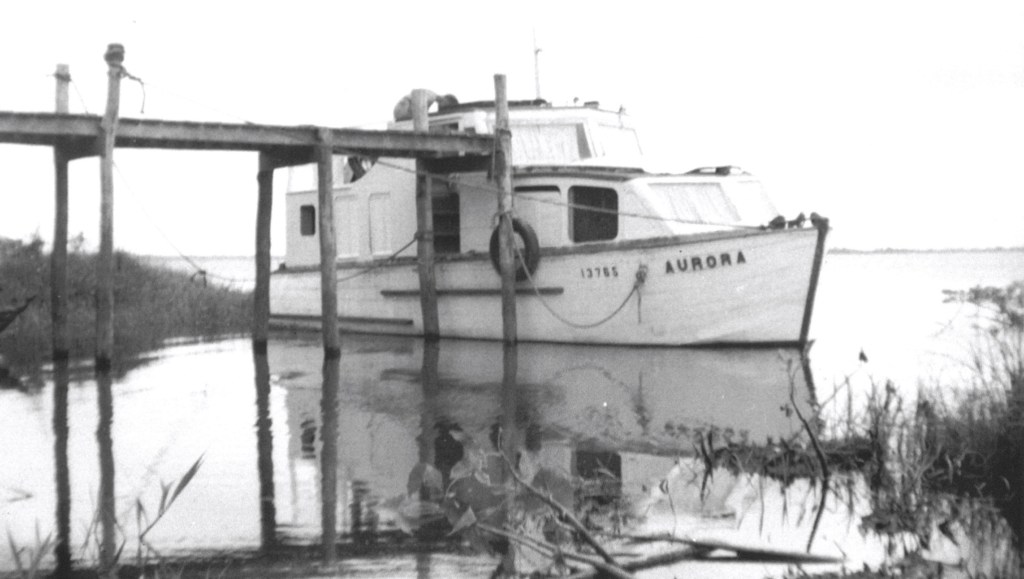
Boat used for Unevangelized Fields Mission (later CrossWorld) for river ministry in Brazil.
Continue reading

“Could You Say More About That?”: Oral History as Process and Document in the Archives

This month, Wheaton Archives & Special Collections features a post from long-time Wheaton archivist, Paul Ericksen. Since joining the then Billy Graham Center Archives in 1982, Paul has interviewed more than 125 individuals and processed and transcribed dozens of oral history interviews with missionaries, evangelists, and Christian leaders.


Archivists are primarily skilled facilitators as they focus on gathering, arranging and describing primary source materials, and assisting researchers in using their collections. Through archival “finding aids,” archivists help create the intricate web of descriptions, subject headings, and box lists that guide a researcher to identify which collections will contain relevant documents for their study, and in which boxes or folders they will find these documents. While gathering existing historical documents and preparing them for optimal access and use by researchers forms the core of archival work, archivists also collaborate to create historical documents through oral history interviews. An oral record of a person’s life and career, these interviews offer a stimulating window into the unique narratives and experiences of individuals.

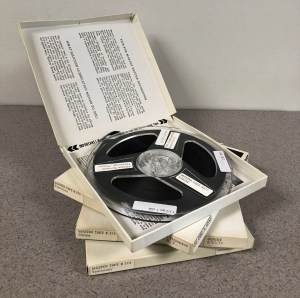
Our earliest interviews were captured on reel to reel tapes like those pictured above, using Wollensak portable recorders.

Over the course of the almost fifty years since the Billy Graham Center Archives (now the Evangelism and Missions Archives) was formed in 1975, its archivists have continuously managed an informal oral history program to further enrich its resources on global evangelism. Archivists have interviewed more than 370 individuals, compiling over 1,200 hours of sound recordings on analog reels, cassette tapes, and as digital files. Through further transcription of recordings, researchers also gain the benefit of reading or searching the full-text accounts for information on a topic, person, or location. One of the earliest of these interviews was with Andrew Wyzenbeek about his memories of Billy Sunday meetings at the turn of the century. Most recently, a few current Billy Graham Scholarship recipients were interviewed in the past year about their experience and ministry in several Asian countries.

Continue reading

Introducing the Samuel Escobar Papers

Dr. Samuel Escobar, undated. From Accession 2024-0023, Box 6.

The Wheaton Archives & Special Collections is pleased to announce the recent acquisition of a significant research collection documenting the life and ministry of Peruvian missiologist and theologian Dr. Samuel Escobar. Spanning more than five decades of Dr. Escobar’s life and ministry, the papers are a valuable addition to the Evangelism & Missions Archives and will significantly expand our collections representing the Global South, especially voices from Latin America.

Continue reading

“The Truth Needs to Be Illustrated”: Gospel Posters in China

In the early 1920s, the first commercial four-color offset lithograph machines came to China. While Chinese Christian posters, tracts, and books had circulated from various presses for a century, these machines allowed for quick, inexpensive, and large-scale print production. Christian mission organizations like the Religious Tract Society and Christian Witness Press quickly capitalized on the new technology. In 1929 alone, the Religious Tract Society printed 150,000 posters in China. Joining and in some ways anticipating China’s vibrant political and commercial print culture, these colorful posters became a prevalent tool for Christian evangelization in China through the 1930s and 1940s.

Chinese Christians, possibly an itinerate preaching band, with evangelism posters, ca. 1930-1940. Collection 215, Lantern Slide Box 11.

Wheaton Archives & Special Collections holds more than fifty of these posters throughout several collections, including Collection 215: Records of Overseas Missionary Fellowship, Collection 231: Papers of Ian and Helen Anderson and Collection 706: Evangelism Posters Ephemera.

Continue reading