After a decade of citywide evangelistic campaigns through the 1950s, Latin America Mission and LAM director, Robert Kenneth Strachan, launched a new program for mass evangelism in 1959 — “Evangelism-in-Depth” (E/D) or, as it was known in South America, “Evangelismo a Fondo.” Building on LAM’s efforts to “Latin Americanize” mission work, the program grew from Strachan’s central principle that “the growth of any movement is in direct proportion to the success of that movement in mobilizing its total membership in the constant propagation of belief” (E/D Manual, CN 236, Folder 138-7).
E/D shifted the focus of evangelism from presenting a single professional evangelist in a one-time event to a countrywide, congregation and laity-based, year-long effort. Proposing “a lasting revolution in missionary strategy,” the E/D program sought to impart “an increased vision and a renewed conviction” to individual Christians, local churches, and national leaders “that the total evangelization of their community in their generation is a distinct possibility and their definite responsibility” (Folder 138-7).
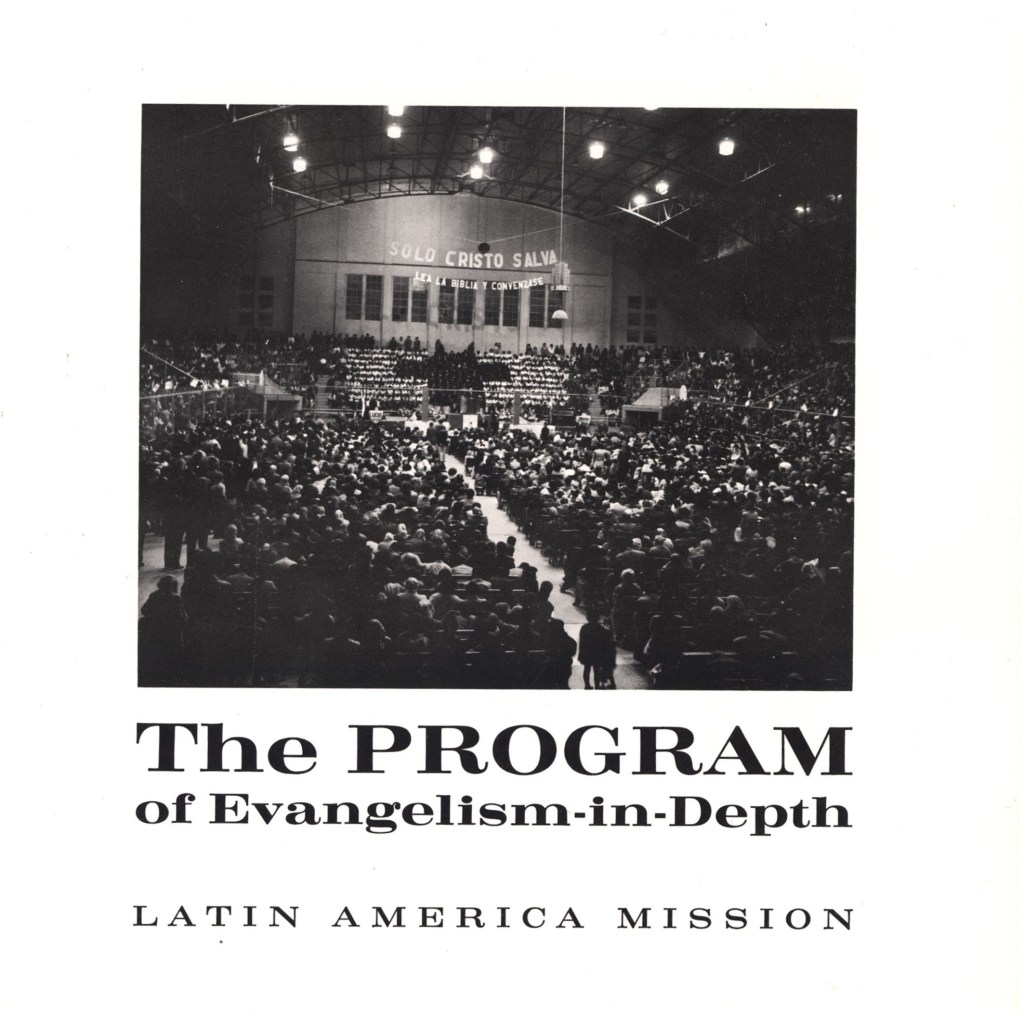
While designed to be adapted to different regional contexts, the core of the E/D program consisted of organized prayer, training for lay Christians, preparation for counselors, follow-up with new Christians, widespread publicity, door-to-door visitation, local and regional evangelistic meetings, regional and national parades, radio and television programs, and widespread Bible and tract distribution. The program flourished on a broad scale in fourteen Latin American countries until 1971, continuing afterwards in Mexico.
When LAM opened its Office of Worldwide Evangelism-in-Depth to promote the program’s use outside Latin America, E/D also became a model for many missionaries and missiologists across the world, particularly throughout the 1960s and early 1970s. The records of the Latin America Mission include many documents that help trace the development and influence of Evangelism-in-Depth in Latin America and worldwide.
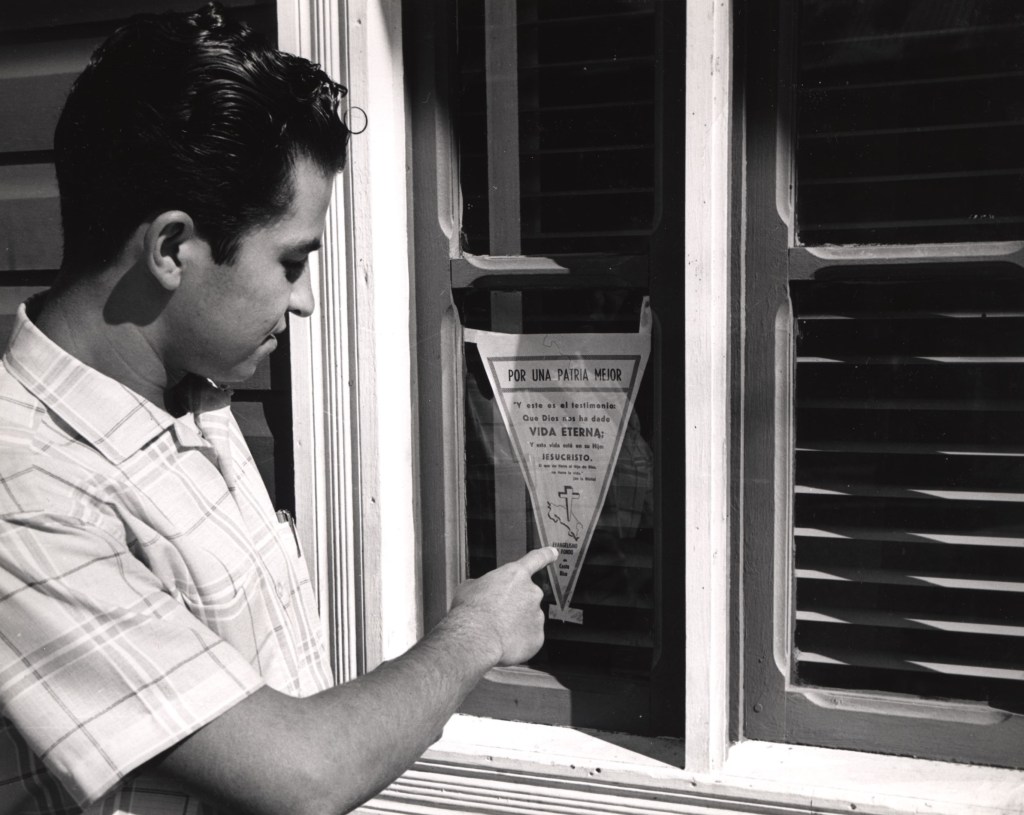
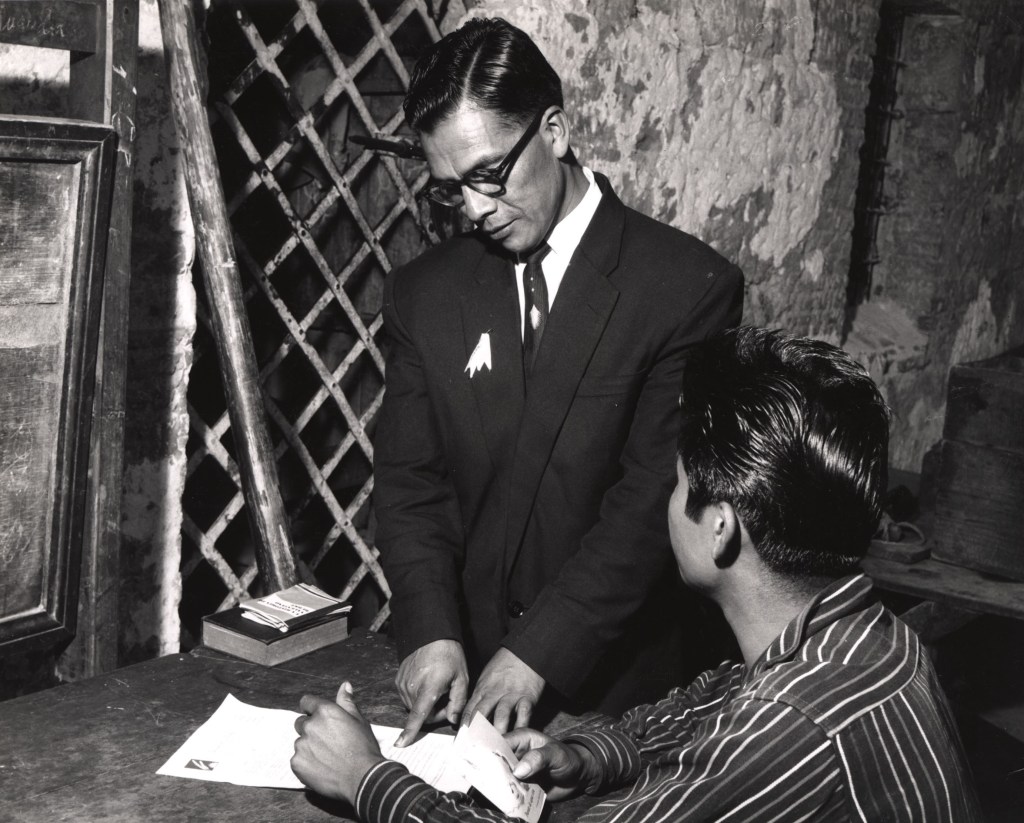
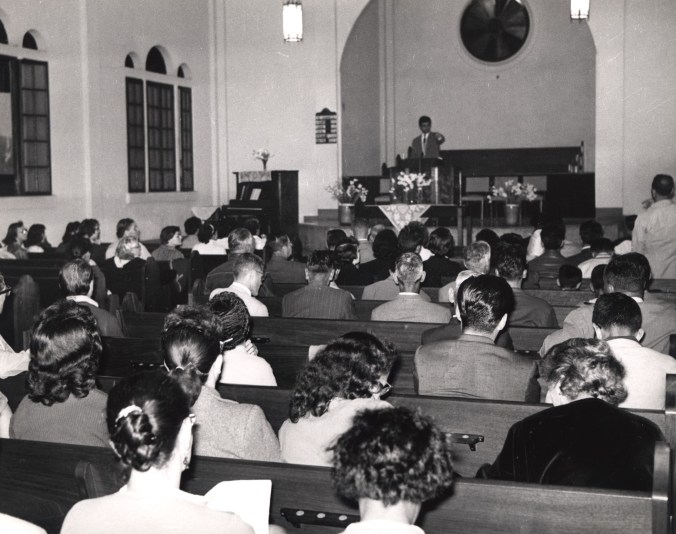
Below are selections from a 1969 photobook developed by Latin America Mission to promote and explain the E/D program (held in the Archives as Photo File: Evangelism-in-Depth). Photographs cover several early E/D campaigns in Latin America, including the 1960 “Por Una Patria Mejor” campaign in Costa Rica.
Exposición del plan (Preparation)
The E/D program was constructed to operate at all levels of a community – from the national E/D committee and the regional coordinator to the local pastor and small group leader. While LAM operated the international E/D office and training institute, the central concept of the program was local leadership, fundraising, and operation. Through the 1960s, LAM developed detailed manuals, form documents, and other support materials to cover all aspects of the program. The Latin America Mission Records includes examples of several of these manuals, ranging from an expansive program notebook for the regional coordinator to an illustrated booklet used to introduce children to E/D.
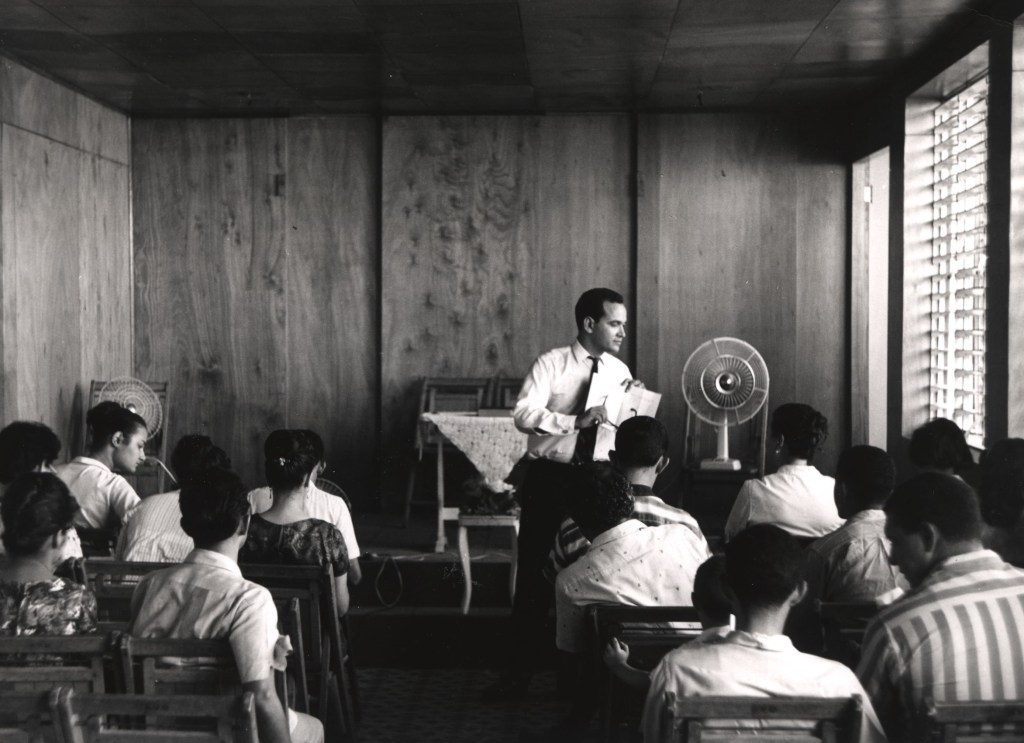
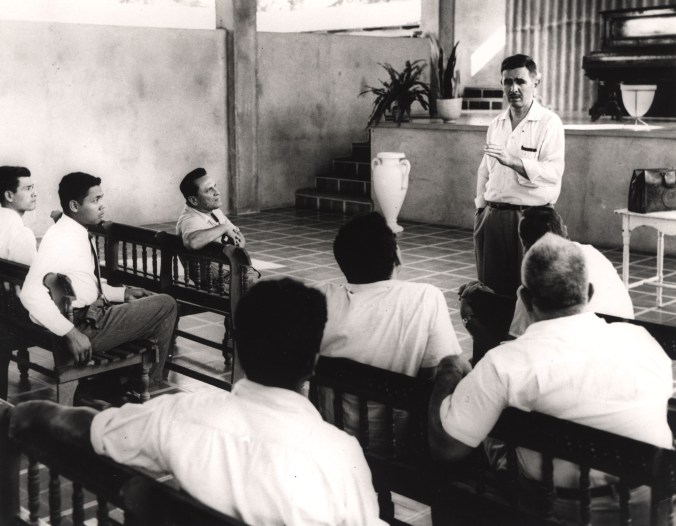
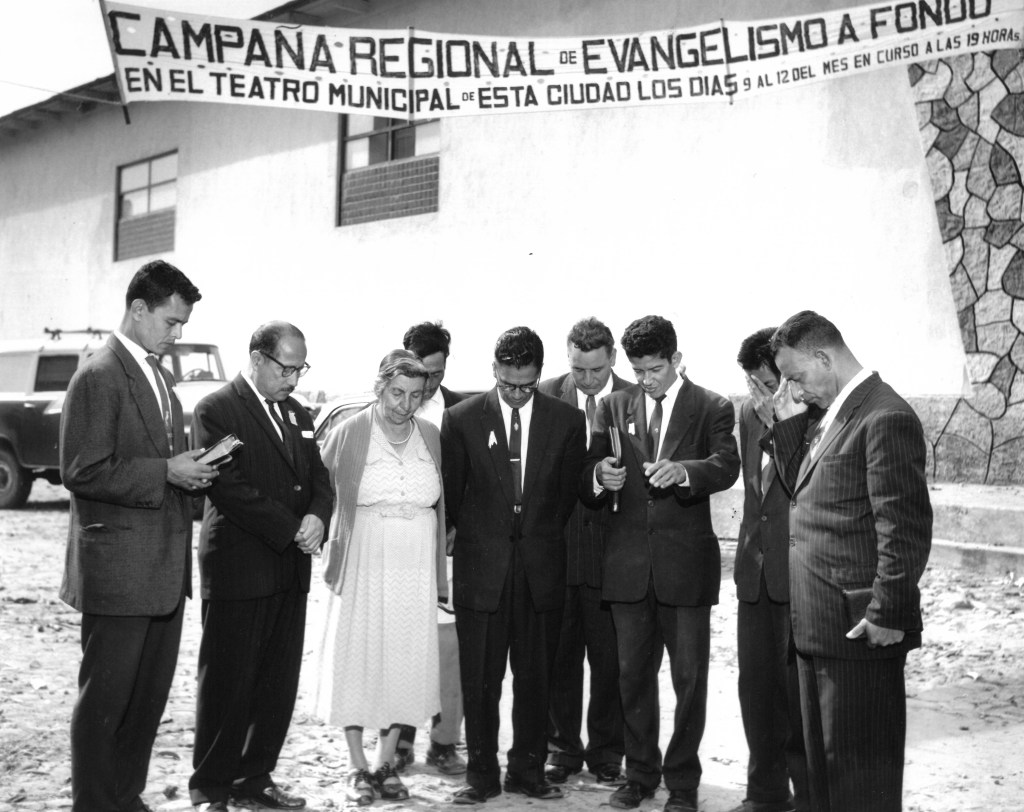
La Oración (Prayer)
One of the first goals of the E/D program was the development of “prayer cells” through local churches and Christian groups. Composed of five to six people, the “cells” encouraged personal engagement in the campaign, developed small units of believers for future projects and outreach, and offered opportunities for neighborhood promotion with prayer flags and posters.
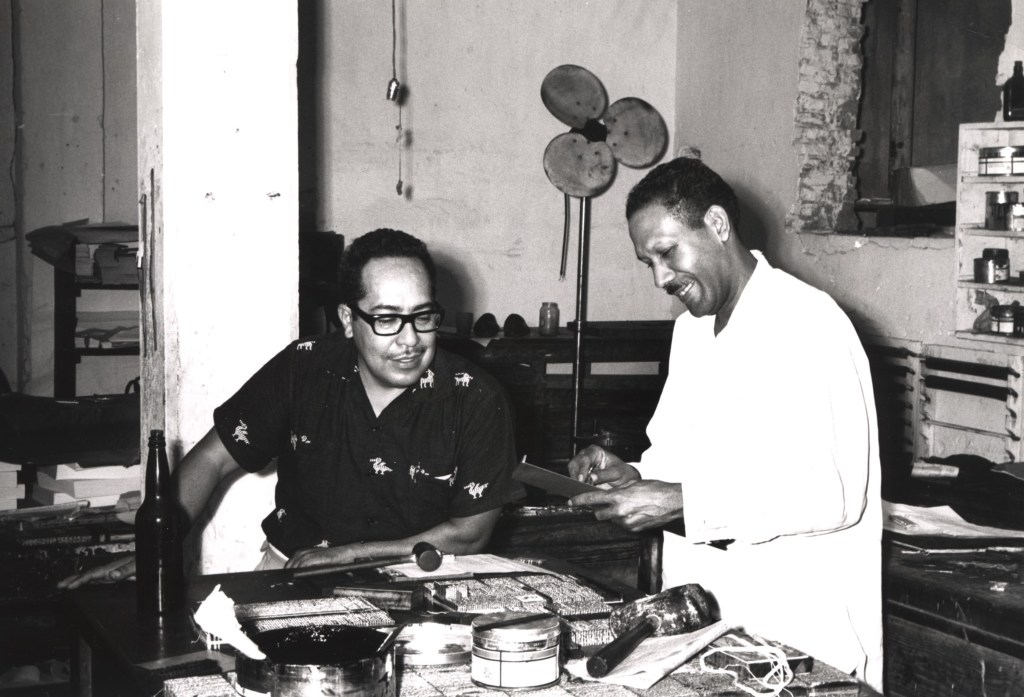
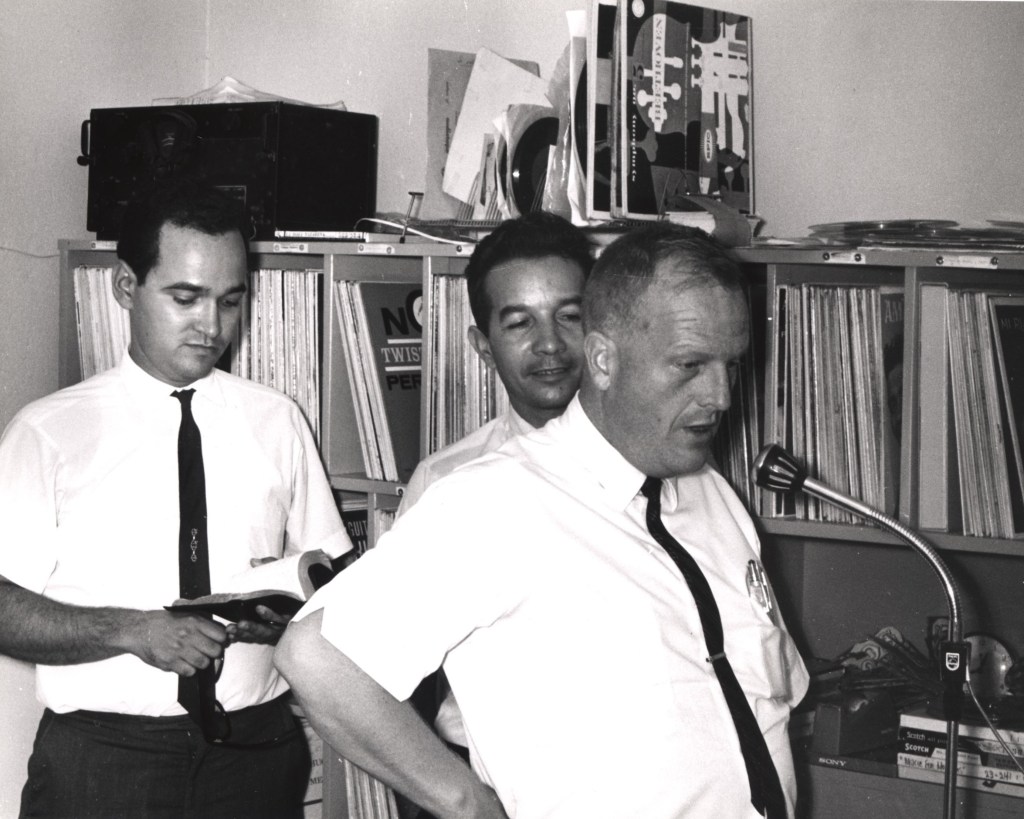
La Promoción (Promotion)
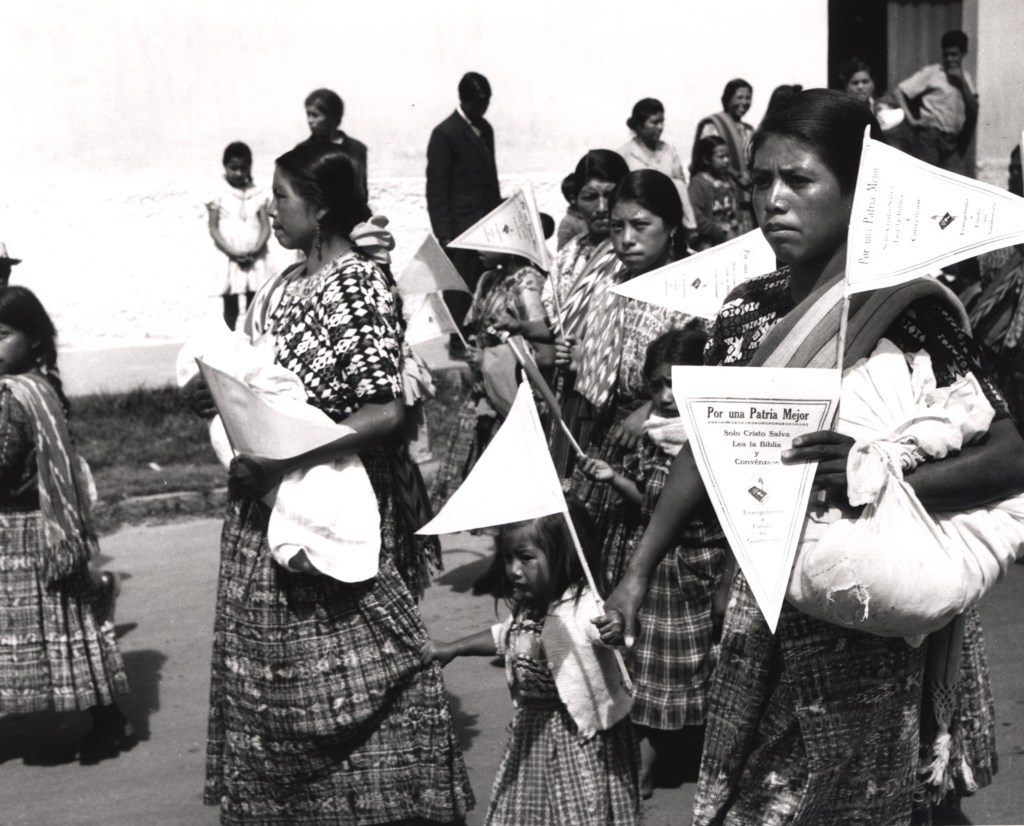
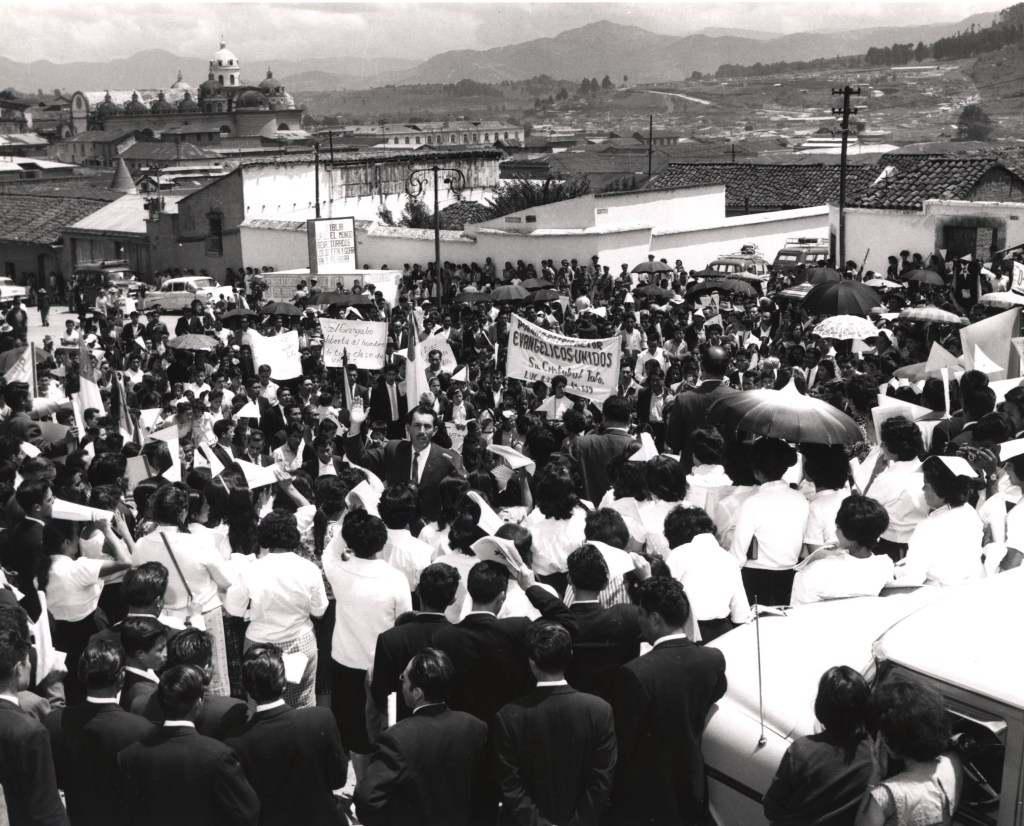
Promotional efforts for E/D sought to capitalize on all available technologies and methods, including E/D’s En Marcha newsletter, radio and television programming, banners and posters, newspaper advertisements, music, and parades.
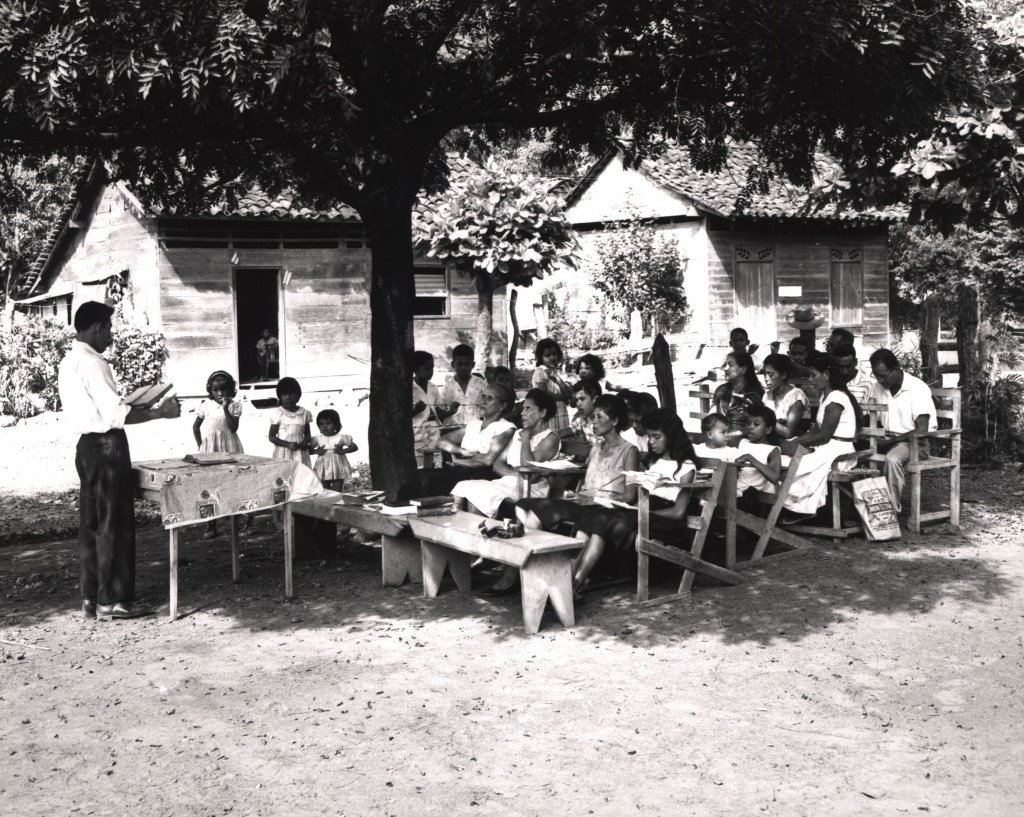
La Capacitación (Training)
The goal of a national E/D campaign was not only to reach non-Christians in a community, but also to encourage and deepen the faith of the entire community. This included developing resources for the training of local congregations and discipleship groups in strategies for evangelism within the church, as well as providing workshops and support for pastors and other Christian leaders.
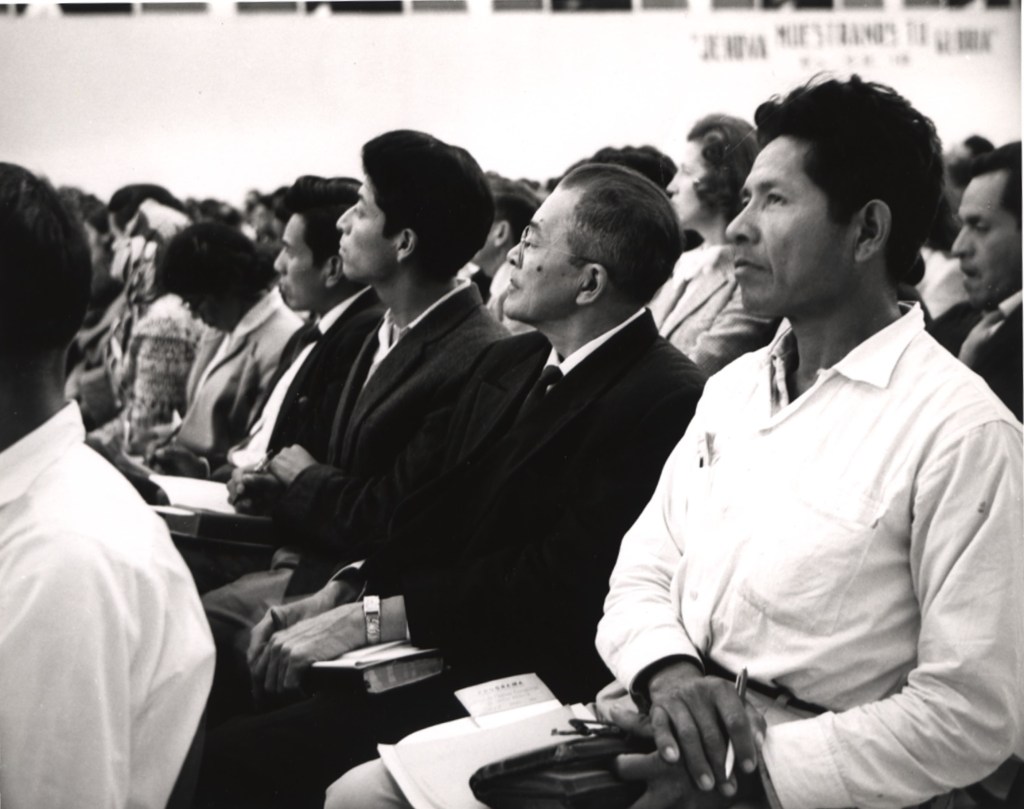
La Visitación (Local Evangelism)
Building on the prayer and preparation of the local church and Christian organizations, the next step of the E/D program was widespread community evangelism. The core of the evangelism effort was person-to-person visitation, with the goal of reaching every home with Christian literature and a personal invitation to E/D events or the local church. A local and national visitation coordinator worked together to create zones for visitation and coordinate timing based on population studies and metropolitan maps. Additional evangelistic efforts were focused on programs for specific groups like children, university students, and soldiers, or through special attractions like music concerts, film evangelism, or good-will caravans.
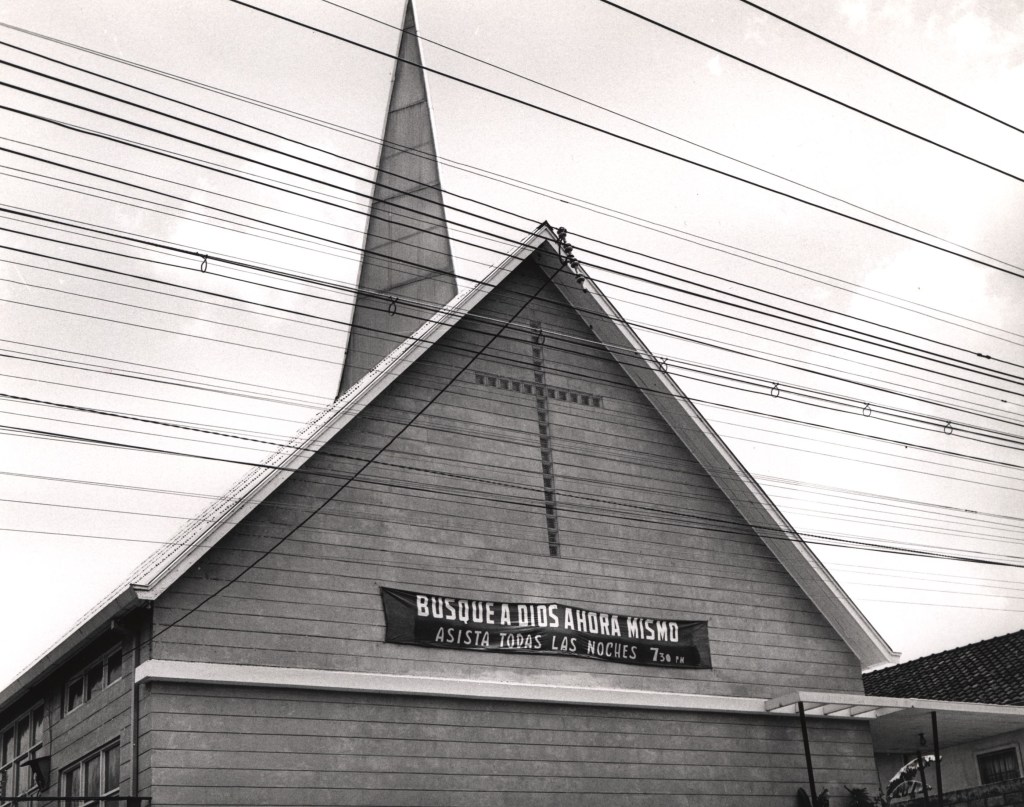
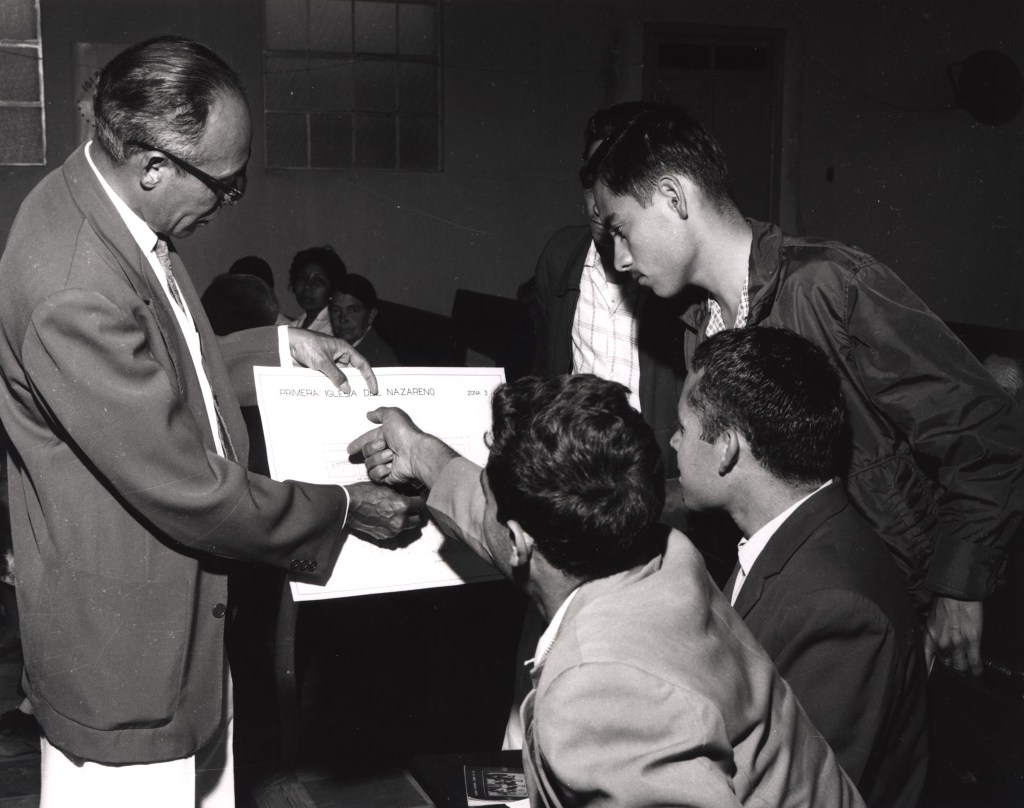
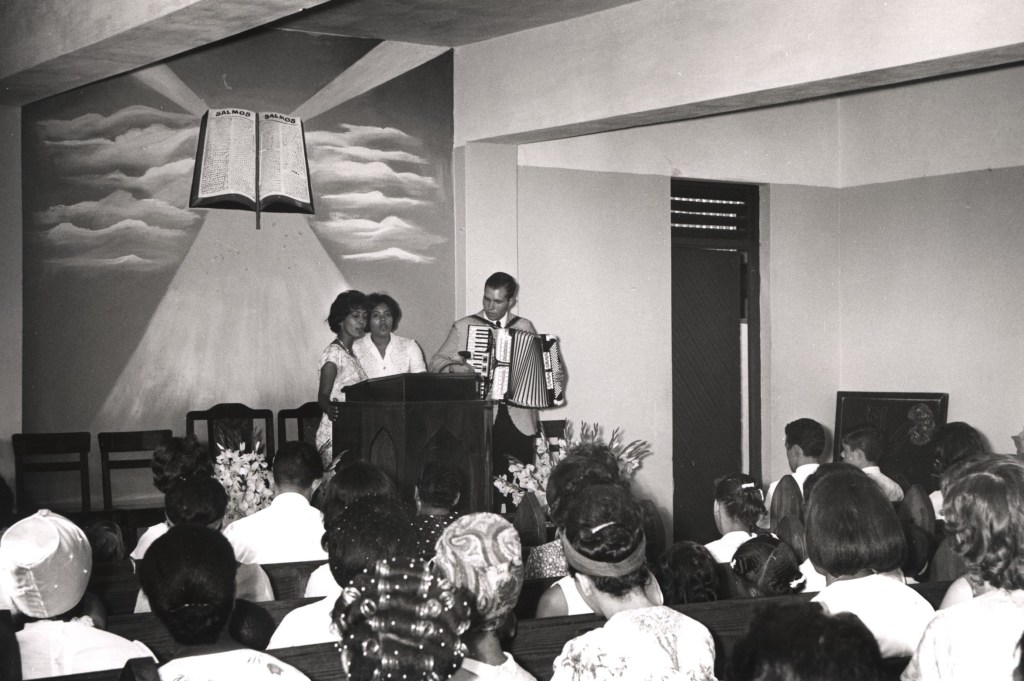
Desfiles y Manifestaciones Publicos (Parades & Demonstrations)
Drawing on the widespread Latin American tradition of religious processions and political parades, E/D campaigns often featured public parades that included local Protestant congregations and other evangelical Christian groups. These events typically promoted an upcoming rally or visiting speaker, while also serving as a visible display of an evangelical Protestant presence in a predominantly Roman Catholic region.
Las Campañas Evangelísticas (Regional & National Campaigns)
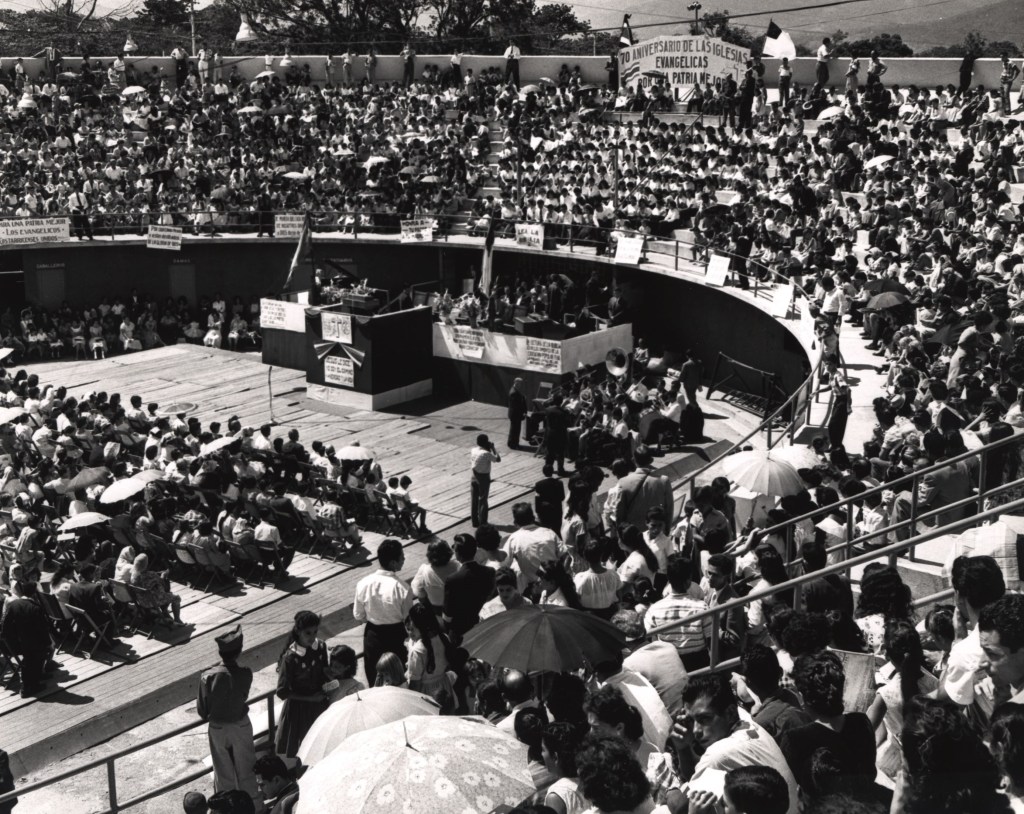
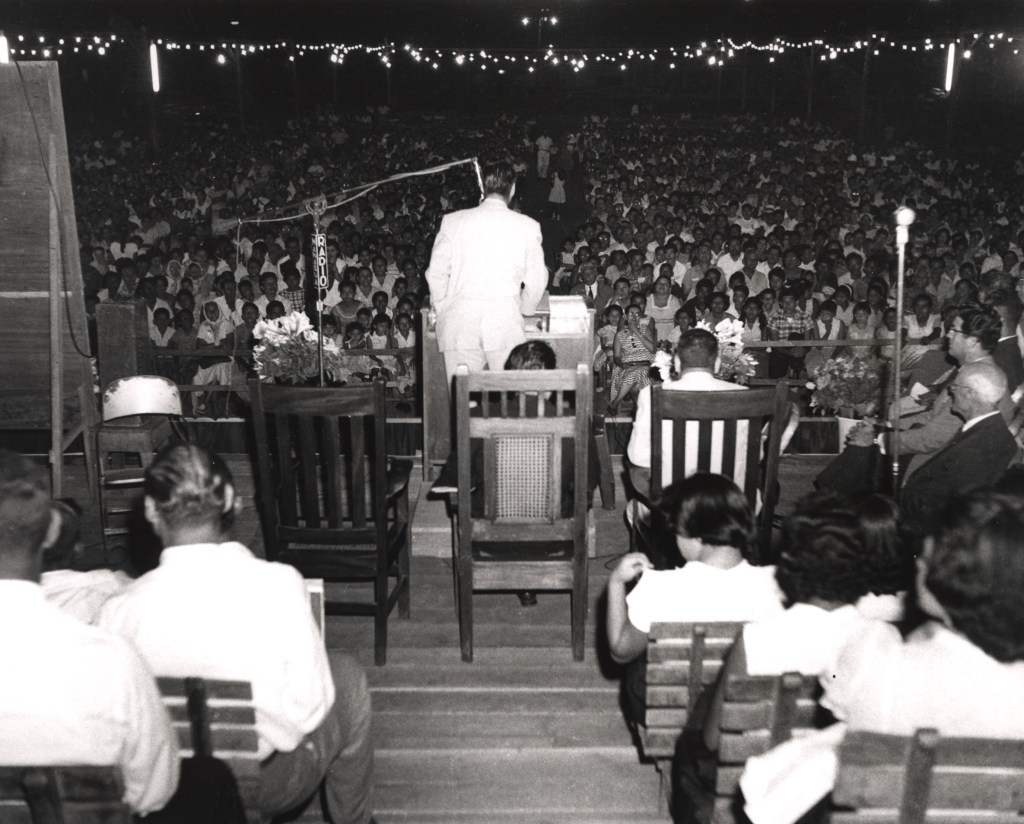
Anchoring the year-long E/D campaigns were large evangelistic rallies featuring visiting speakers, which served both as a focal point for promotional efforts and as a means of sharing the Gospel beyond the boundaries of regular church membership or attendance. Though intentionally held outside traditional church settings, these rallies, particularly at the regional level, were also designed to help connect new believers with local congregations. Decision or contact cards collected during the rallies were distributed to participating churches and Christian groups for follow-up and continued engagement.
La Continuación (Follow-Up)
The initial follow-up phase of the E/D program focused on participating congregations using the acquired decision cards to connect with new converts and encourage their engagement with the local Christian community. However, the program not only aimed to bring new people into the church, but also to transform every church into an outward focused mission organization. By building on the structures established during a year of concentrated evangelism, the goal of E/D was for churches to sustain outreach through their newly formed prayer groups, training initiatives for pastors and lay leaders, and strengthened cooperation between congregations, enabling them to continue serving their communities long after the campaign ended. E/D follow-up also included study and analysis, especially at the national level, to evaluate the program and assess the results of the campaign. Several folders in the LAM Records include multi-year statistics and other evaluations of E/D campaigns across Latin America.
More photographs, pamphlets, booklets, manuals, hymnals, surveys, and other materials on the Evangelism-Depth program, in both Spanish and English, can be found in the records of the Latin America Mission, among other related collections. Explore Wheaton Archives & Special Collections’ full holdings for E/D at archives.wheaton.edu.

