Shakespeare on Display

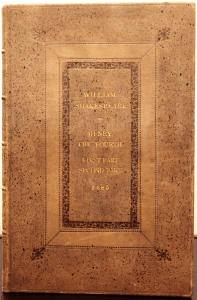
One of the jewels of the E. Beatrice Batson Shakespeare Collection is a copy of Henry the Fourth, taken from the fourth folio edition of Mr. William Shakespear’s Comedies, Histories, and Tragedies (1685). The play was donated to the College in honor of Dr. Batson’s retirement from the English Department in 1990. In celebration of the fourth folio turning an impressive 340 this year, Wheaton Archives & Special Collections revisits a 2015 feature from former Wheaton Library Metadata Associate, Brittany Adams, on the history and unique textual features of Wheaton’s “Henry.” The folio will be on display throughout the 2025 fall semester in the Wheaton College Library.

Continue reading

In the Beginning Was the Song

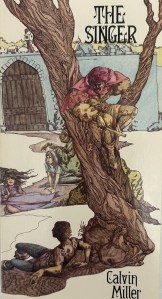
Book cover of The Singer with original illustrations by Chicago artist, Joe Devalsico.
The Singer with original illustrations by Chicago artist, Joe Devalsico.

April is National Poetry Month! To celebrate, Wheaton Archives & Special Collections features Calvin Miller’s The Singer, a poetic allegory of the life of Christ, published by InterVarsity Press in 1975.

Along with original manuscripts of The Singer, SC 24: The Calvin Miller Papers includes extensive correspondence and other records that highlight Miller’s life and work as a pastor, artist, author, and professor.

Building on the rich Christian tradition of allegorical writing—from Medieval morality plays and Dante’s Divine Comedy to John Bunyan’s Pilgrim’s Progress, Hannah Hurnard’s Hinds’ Feet on High Places, and C. S. Lewis’ Chronicles of NarniaThe Singer offers a vivid retelling of the Gospel story as a longform narrative poem.

Continue reading

A Global Chorus Before the Lord: Remembering Ethnomusicologist Vida Chenoweth

Vida Chenoweth
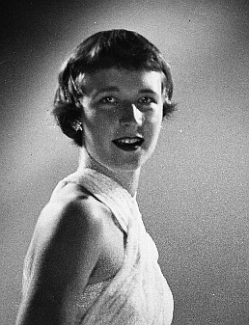
Portrait of Vida Chenoweth, c. 1950s. SC114, Photo-08.

This March, in honor of Women’s History Month, Wheaton Archives and Special Collections remembers Vida Chenoweth—a concert marimbist, Bible translator, and pioneering ethnomusicologist. From the glittering concert halls of Europe to the remote highlands of Papua New Guinea, Vida’s life and ministry combined a love of music with a deep commitment to the dignity of all peoples and a celebration of the unique traditions of diverse musical cultures. SC 114: Vida Chenoweth Papers showcase the breadth of her remarkable career, featuring recital and field recordings, photographs, press clippings, original research, correspondence, and diaries.

Continue reading

New Old Stuff in the Archives: 2024 Edition

As we celebrate the start of a new year, Wheaton Archives & Special Collections looks back at some of the interesting accessions of historical documents that the Archives received in 2024 and the new or updated collections we processed and opened to researchers.

New Accessions

For almost seventy years, the story of missionaries’ attempts to bring Christianity to the Waorani people of the Amazon (called the Aucas by their enemies) has been well known to American evangelicals. This year we received the files of Dr. Kathryn Long, who wrote God in the Rainforest (2017), which tells the story from the killing of the five missionaries who first made the attempt to reach the Waorani in 1956 through the development of an Indigenous Christian community among the Waorani in later years. She generously gave her voluminous research files and relevant books to the Archives, including material from her own trips to Ecuador and documents about her work on the staff of Campus Crusade in South America in the 1980s.

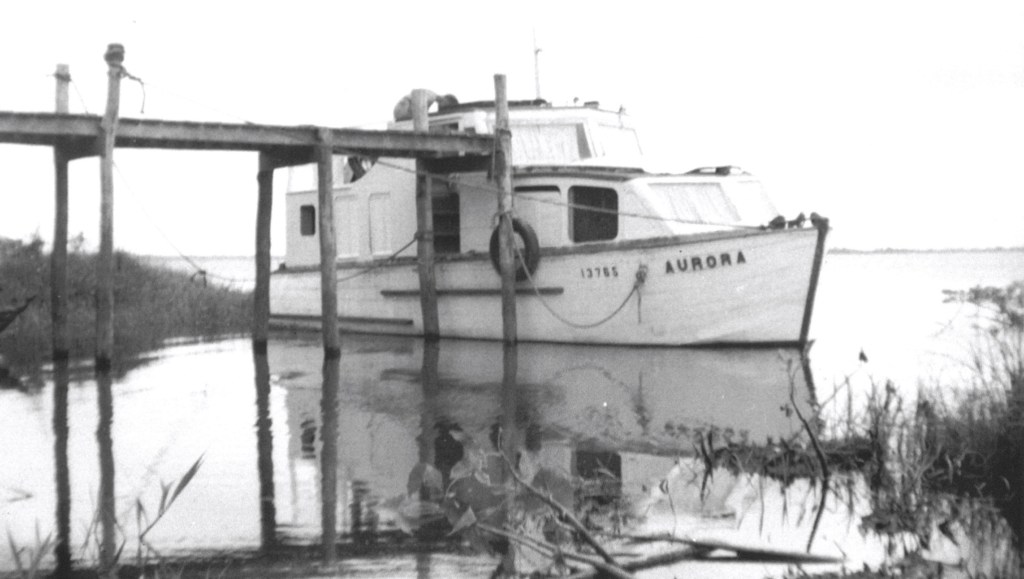
Boat used for Unevangelized Fields Mission (later CrossWorld) for river ministry in Brazil.
Continue reading

It’s a beautiful day in Chicago!

Along with hundreds of collections on global missions and evangelism, Wheaton Archives & Special Collections also holds records documenting the history of Chicagoland, from institutions like the historic Moody Church, Chicago Gospel Tabernacle and the Chicago Sunday Evening Club to individuals like William Leslie, Herbert J. Taylor, Vaughn Shoemaker, and Harold “Red” Grange. This month, Wheaton Archives & Special Collections features one such collection, the papers of hymn singer and radio broadcaster Everett Mitchell, best known for his memorable opening line, “It’s a beautiful day in Chicago!”

Continue reading

‘Oswald in His Presence’

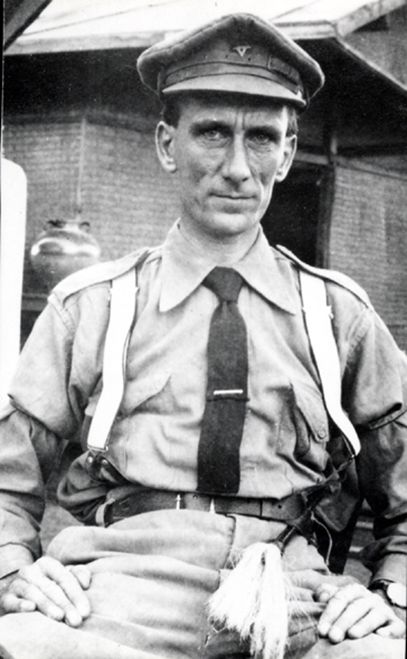
Oswald Chambers, 1917. Photograph #SC112-068.

This year marks the 150th anniversary of Oswald Chambers’ birth on July 24, 1874, in Aberdeen, Scotland. Chambers’ best known work, My Utmost for His Highest, has remained in print since its first publication in Britain in 1927. The daily devotional has been translated into over forty languages and ranks in the top ten of religious bestsellers in the United States, with millions of copies sold since the first American edition was published in 1935.

Continue reading

Pages of Wonder: A Journey Through the William S. Akin Rare Book Collection

William S. Akin
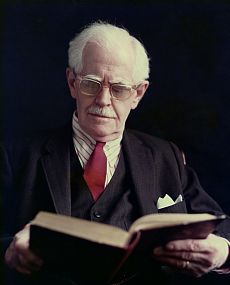
William Akin (SC-01, Folder 2-91).

In this day of technology, AI, and rapid information growth many decry the extinction of the printed book. But when someone handles a fine rare book, one does not easily look to its demise. Books are wonders. They are thoughts distributed to the world. They are invitations to new possibilities and new horizons.

Wheaton Archives & Special Collections has many wondrous examples of the power of the book – as presenter of ideas and as art. Special Collections’ foundational rare book collection, SC-01, was a gift from collector William Sanford Akin. The collection numbers over 2,000 monographs, with a special emphasis on British literature, including James Boswell, Samuel Johnson, Lewis Carroll, and John Bunyan.

Continue reading

‘A Prophetic Document’: The 1973 Chicago Declaration of Evangelical Social Concern

This November, Wheaton Archives & Special Collections commemorates the 50th Anniversary of the Thanksgiving Workshop on Evangelicals and Social Concern and the resulting “Chicago Declaration.” At a time when many American evangelicals were increasingly grappling with the role of political action and social justice in American religious life, the 1973 Chicago Declaration emerged as a call for action – and a point of controversy – for a new vision of American evangelicalism grounded in social, economic, and racial justice.

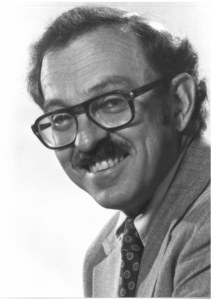
Ronald J. Sider, ca. 1980s. (Photo File: Sider, Ron).

Several collections in Archives & Special Collections document the development of this movement, including Collection 37: Records of Christians for Social Action and newly received papers from Ronald Sider (Accession 2022-053), which contain many folders of correspondence on the workshop planning, as well as the extensive discussions and disagreements surrounding the first drafts of the Chicago Declaration.

Continue reading

Unveiling the Secrets of Fan Letters: A Conversation with David Reagles

This May, Wheaton Archives & Special Collections talks with historian David Reagles, author of Searching for God in Britain and Beyond: Reading Letters to Malcolm Muggeridge, 1966-1982, about his journey through the vast collection of fan letters held in the Malcolm Muggeridge Papers.

When and how were you first introduced to Archives & Special Collections? What kinds of research projects have led you to the Archives’ collections?

I first stepped on Wheaton’s beautiful campus as a graduate student in 2011. Two moments really stand out in my mind when I think about the archives during those life-changing years. The first took place during a seminar on the history of evangelicalism in the Atlantic world. It was a wonderful eye-opening class, which included among other things a jaunt to the archives. There Bob Shuster masterfully guided us through proper archival procedures and etiquette, as well as offered an overview of the kinds of rich materials available. As we walked into the classroom, he had placed one or more archival boxes at each seat. After a short lecture, he asked us to open our materials and to try as best as we could to tell a “story” of the box. I recall pouring through the contents and feeling a kind of weird combination of confusion, excitement, anticipation, uncertainty, and discomfort. I loved it. That short lesson really affirmed the kind of joy-filled experience archival research could be.

Continue reading