A Voice for Change: Excerpts from the William E. Pannell Oral History Collection

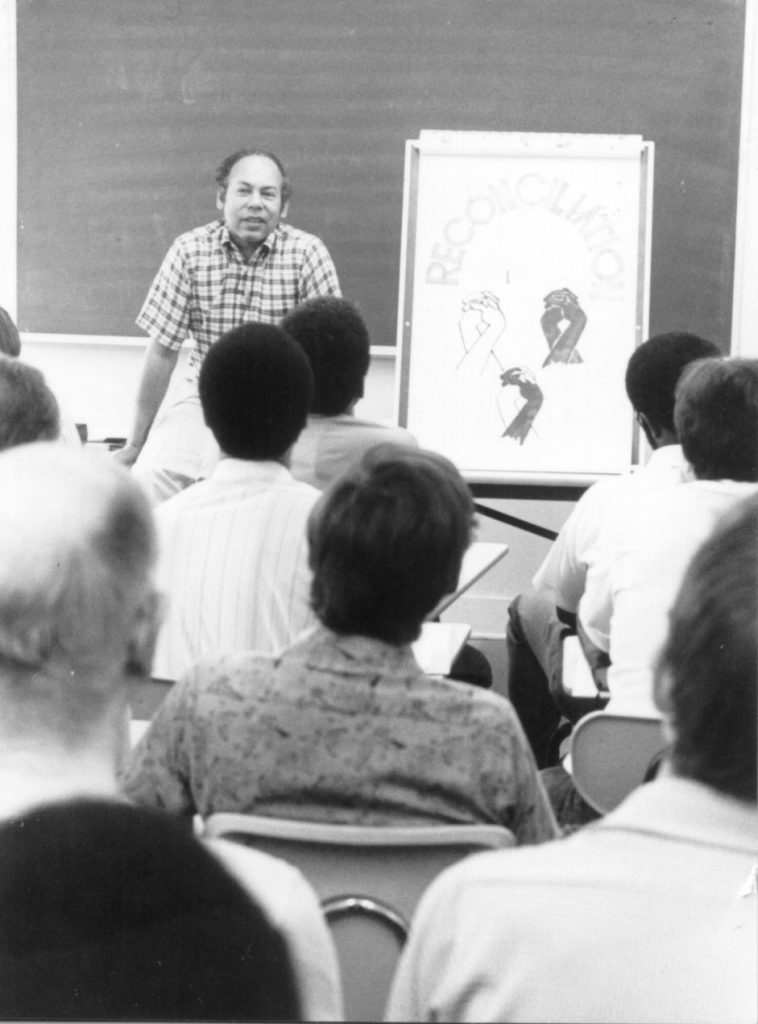
1981: Rev. Pannell leading a Christian Community Development workshop at the Voice of Calvary Ministries’ Study Center in Jackson, Mississippi, USA. (PF: Voice of Calvary – Conferences and Meetings)

In celebration of Black History Month this February, Wheaton Archives & Special Collections features our oral history collection with Rev. Dr. William E. Pannell, who passed away last October. Over more than five decades of ministry, Dr. Pannell served as a youth pastor in Detroit, directed training for Youth for Christ, helped lead Tom Skinner Associates as Vice President, and taught future generations of pastors and evangelists at Fuller Theological Seminary as the assistant professor of evangelism and director of the Black Pastors’ program. Along with his busy work as an evangelist and teacher, Dr. Pannell published several influential books on race and the evangelical church, including My Friend, the Enemy (1968), Evangelism from the Bottom Up (1992), and The Coming Race Wars?: A Cry for Reconciliation (1993).

From 1995 to 2007, Wheaton archivist Bob Shuster sat down with Dr. Pannell for several sessions of oral history interviews. Totaling more than seven hours, the recordings include Dr. Pannell’s reflections on his childhood, education, Christian faith, ministry development, and race relations in the American church. Wheaton Archives & Special Collections recently released the complete transcripts to these interviews, which are now available through the online guide to Collection 498: William E. Pannell Oral History Interviews. Below are selections from the interviews covering Dr. Pannell’s early life, growing racial consciousness, visit to the 1966 Congress on Evangelism, and development of his work with B.M. Nottage and Tom Skinner. The selections have been edited for clarity and brevity.

Continue reading

Tracing Wheaton’s First Black Students Through the Archives

February is national Black History Month, and in celebration the Wheaton Archives & Special Collections offers a glimpse into the lives of Wheaton College’s first African American students: Mary Barker, Edward Sellers, and William Osborne. To trace these stories, archivists delved into the institutional records held in the College Archives and other sources to explore and uncover the unique voices and experiences of these pioneering students.

How did Mary Barker, Edward Sellers, and William Osborne pursue higher education at Wheaton College at a time when even few middle-class, white Americans could boast about holding a college degree? What challenges and obstacles did these individuals encounter on their educational journey? After completing their studies at Wheaton College, where did their paths lead, and what professional endeavors did they pursue?

Continue reading

“They Called Him the Jesus Man”: Montrose Waite and the Afro-American Missionary Crusade

In celebration of Black History Month this February, Wheaton Archives & Special Collections commemorates the legacy of Montrose Waite, dedicated missionary to Africa and founder of one of the first independent Black faith missions in America, the Afro-American Missionary Crusade.

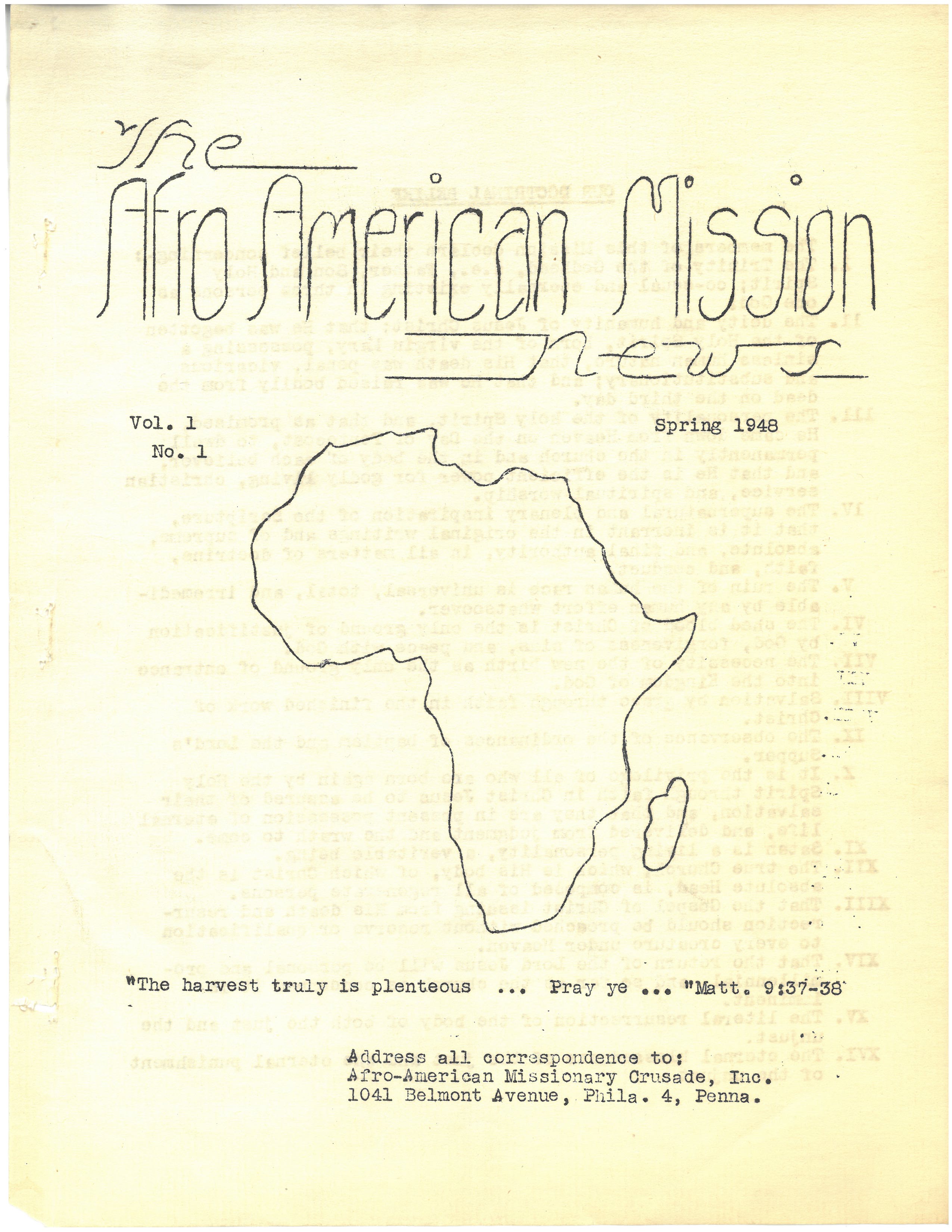
Newsletter for the Afro-American Missionary Crusade, 1948. (CN 81, Folder 8-40)

Born 1893 in Jamaica, Waite immigrated to the United States in 1916 with the promise of munitions factory work created by the ongoing World War. Settling in New York City, he wrote of his interest in missions to Dr. A. B. Simpson, founder of the Christian and Missionary Alliance (C&MA), who encouraged him to seek out missionary education at the C&MA’s Nyack Institute.

Continue reading

Holistic Evangelism in the Deep South: John Perkins and Voice of Calvary Ministries

(PF: Perkins, John)

In celebration of Black History Month this February, Wheaton Archives & Special Collections highlights the transformational work of the Voice of Calvary Ministries, founded in Mendenhall, Mississippi by John M. Perkins – pastor, writer, and civil rights advocate.

The many reports, brochures, photographs, videos, oral history interviews, and correspondence available in Collection 362: Records of Voice of Calvary Ministries and Collection 367: Papers of John M. Perkins tell the story of a dynamic ministry that sought to emphasize evangelism in a context of holistic community development, economic distribution, and racial reconciliation.

Continue reading

Tom Skinner’s “New Beginning”

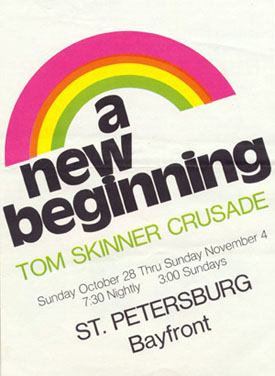
Handbill advertising Tom Skinner evangelistic meetings held in St. Petersburg, Florida from October 28 to November 4, 1973.

In celebration of Black History Month this February, the Wheaton College Billy Graham Center Archives commemorates the spiritual legacy of Tom Skinner (1942-1994), Christian evangelist, social reformer, and persistent critic of racial divisions within American culture. Collection 430: Papers of Tom Skinner contains oral history interviews, correspondence, articles, newspaper clippings, photographs, and other materials documenting the development of Tom Skinner Associates and provides a fascinating glimpse into Skinner’s tireless efforts to challenge the white evangelical community to engage issues of systemic racism, while still prioritizing his call to Christian evangelism.

Continue reading

Remembering Consuella York, the “Jail Preacher”

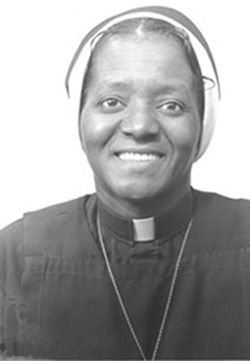
York Portrait

This February, in celebration of Black History Month, the Wheaton College Billy Graham Center Archives commemorates the life and spiritual legacy of Rev. Consuella York (1923-1995), the “Jail Preacher,” and showcases a few items from her personal papers.

Affectionately known as “Mother York,” she ministered in the Cook County correctional system for over 43 years, bringing the Christian message of love and redemption to inmates and correctional officers alike.

Born and raised in Chicago, Consuella York demonstrated an early aptitude for preaching, inherited from her Baptist preacher father. In her 1988 oral history interviews held in the Archives, York recalls winning a prize for oratory in 1948 and shortly afterward entered the Chicago Baptist Institute, where she studied advanced homiletics and pastoral theology, despite the fact that her church denomination did not ordain women as clergy members or allow them to preach. In the same oral history interview, York describes the day 1952 that changed the direction of her life:

Continue reading