The Biblical call to “make disciples of all nations” has driven missionaries to some of the most remote regions on earth—areas inhabited by indigenous peoples with diverse languages, religions, and cultural traditions. From the steppes of China and the Pacific islands to the Andes highlands and the African Sahara, missionaries have striven to carry the Gospel to all communities and peoples across the globe. Wheaton Archives & Special Collections preserves extensive records of missionary work among indigenous communities in remote and urban settings, including outreach to the Lisu and Hmong people in Asia, the Zulu and Kikuyu in Africa, and the Zapotec and Waodani in the Americas, among many others.
This month, we feature a pictorial report from missionary Ernest Fowler that documents the early stages of Latin America Mission’s outreach to the Emberá people of northern Colombia.
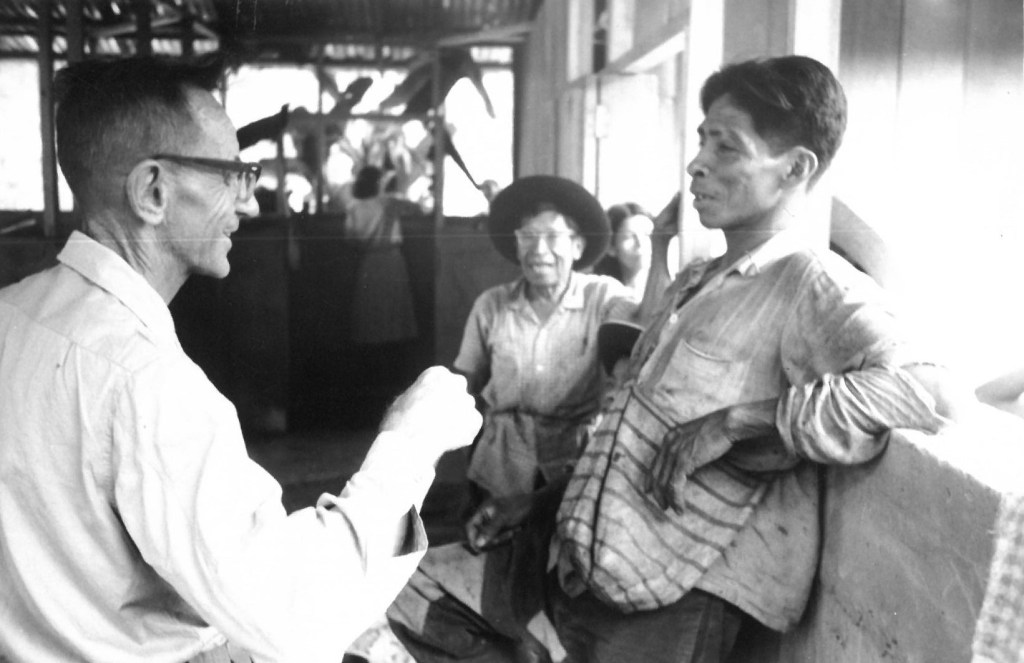
Ernie Fowler arrived in Colombia with the Inland South America Missionary Union in 1934. He spent several years based in Santa Marta, where he learned the language and supported early outreach efforts to the Wayuu people of La Guajira Peninsula. After a 1940 furlough, he transferred to the Evangelical Union of South America and began planning a new mission to the Yukpa people near the Serranía de Perijá mountains, alongside fellow EUSA missionaries Harvey Hammond and Alick Clark. In 1943, the three set out for the mountains, but were quickly confronted with the daunting reality of travel in Colombia’s remote highlands. After two weeks of back-breaking trail cutting and little access to clean water sources, both Harvey and Alick fell seriously ill. Alick recovered, but Harvey Hammond died.
Despite the tragedy, Ernie Fowler and Alick Clark returned to the Yukpa, eventually settling near a village in the eastern Andes. However, their mission was disrupted again in 1948 when a wave of sectarian political and religous violence swept across Colombia. On furlough at the time, Ernie was not able to return to Colombia until 1952, when he and his wife joined Latin America Mission (LAM) in Cartagena. From 1953 to 1958, Ernie served as Field Director for the LAM Colombia office and later as LAM’s mission coordinator to the Association of Evangelical Churches of the Caribbean. Although dutifully serving where needed by LAM, Ernie remained committed to expanding outreach to Colombia’s indigenous communities.
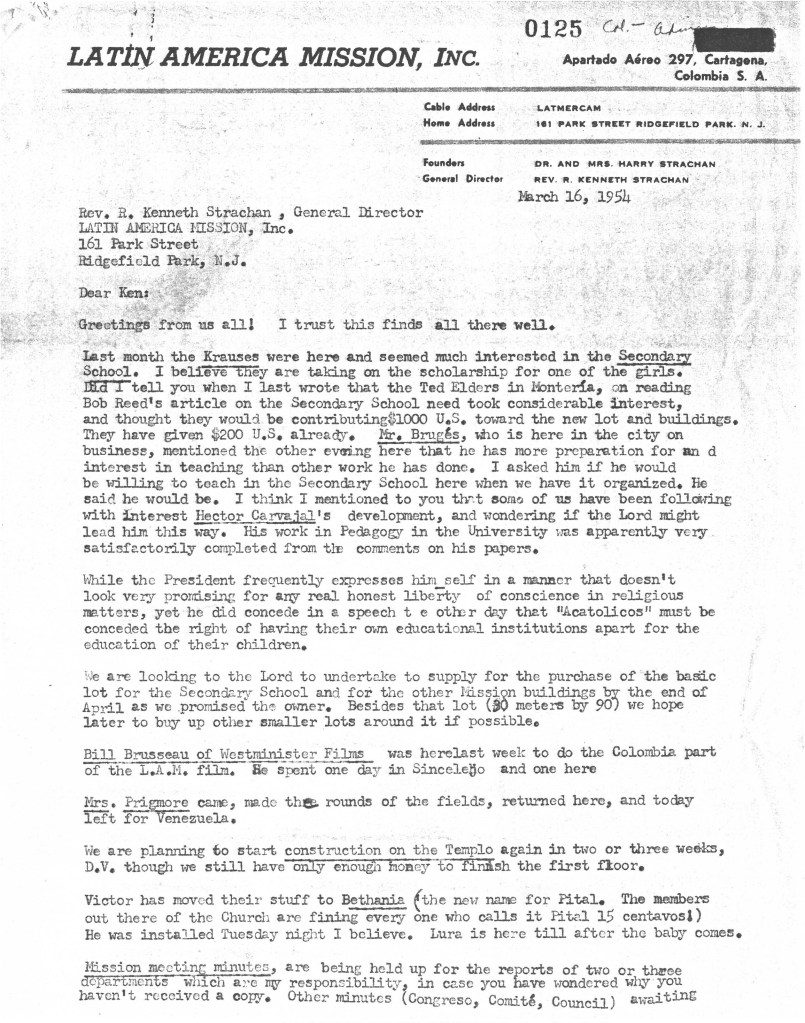
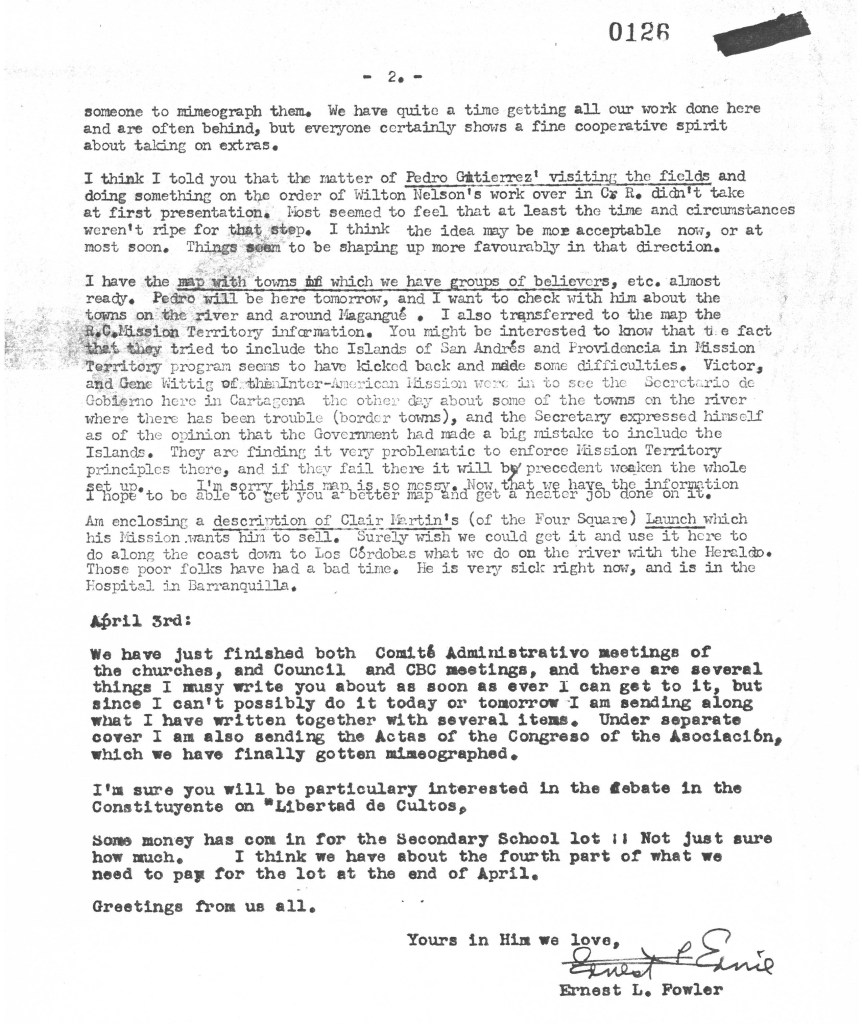
However, expanding LAM’s indigenous outreach was a challenging proposition. Not only were indigenous missions outside the usual work of Latin America Mission, continued tensions between the Colombian government, local Catholic authorities, and the Protestant mission organizations added further complications to any new outreach. Seeking to establish connections and survey the area for future mission work, Ernie began making exploratory trips with local contacts to indigenous communities in northwestern Colombia. In 1952, he traveled to the Chocó region along the Upper Sinú River, where he spent time with an Emberá family—an early step in what would become a broader effort to reach the Emberá people with the Gospel. Ernie documented the trip with extensive photographs, capturing the lengthy journey across rough country, river rapids, and dense jungle:
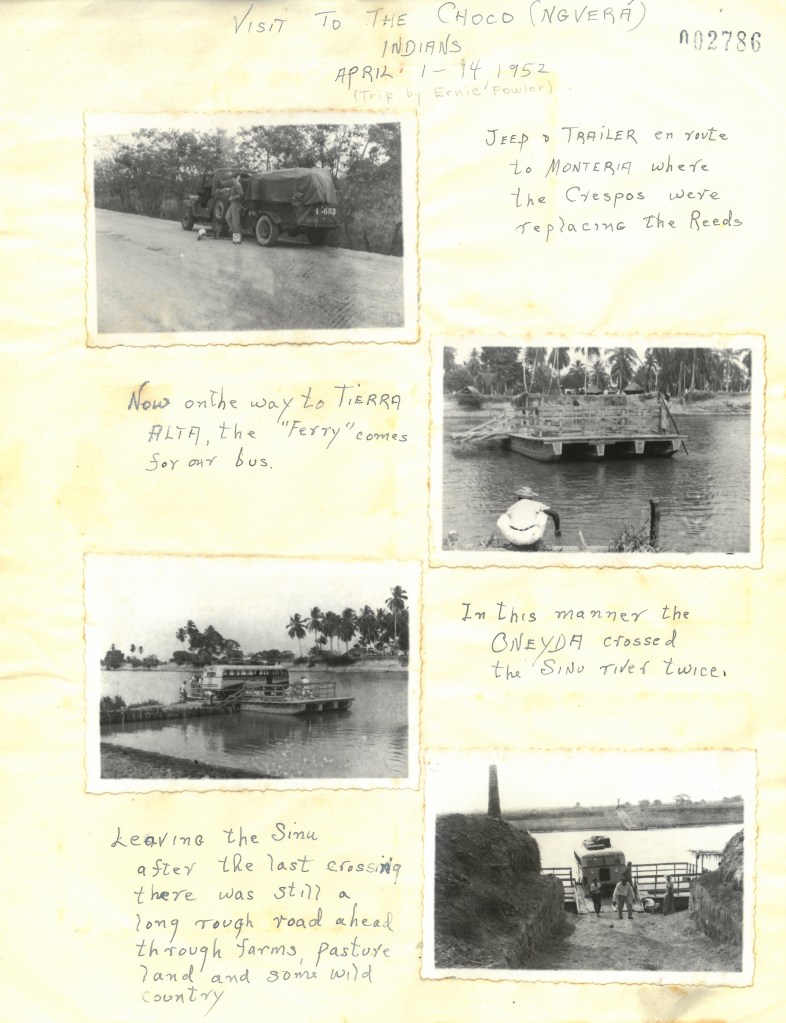
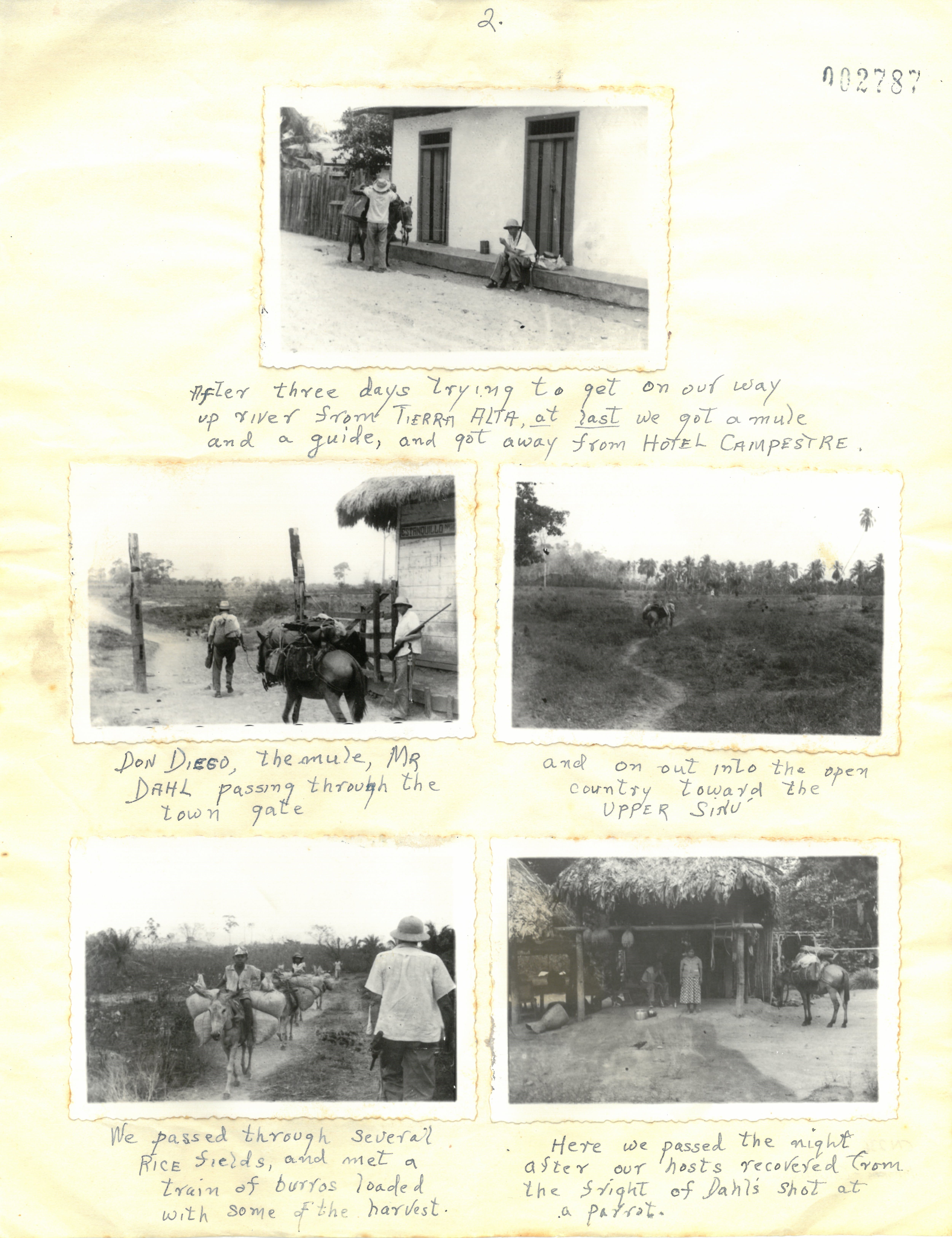
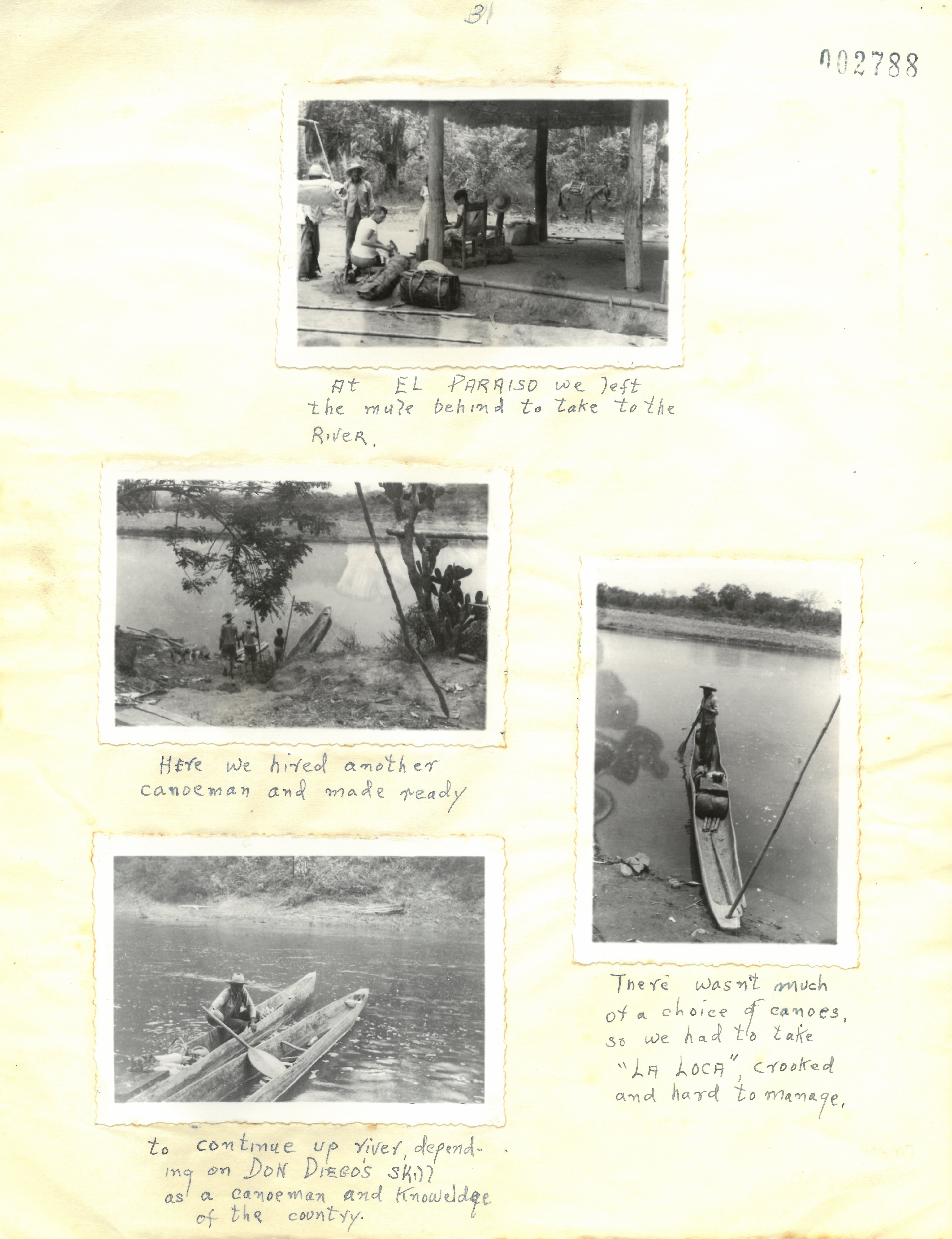
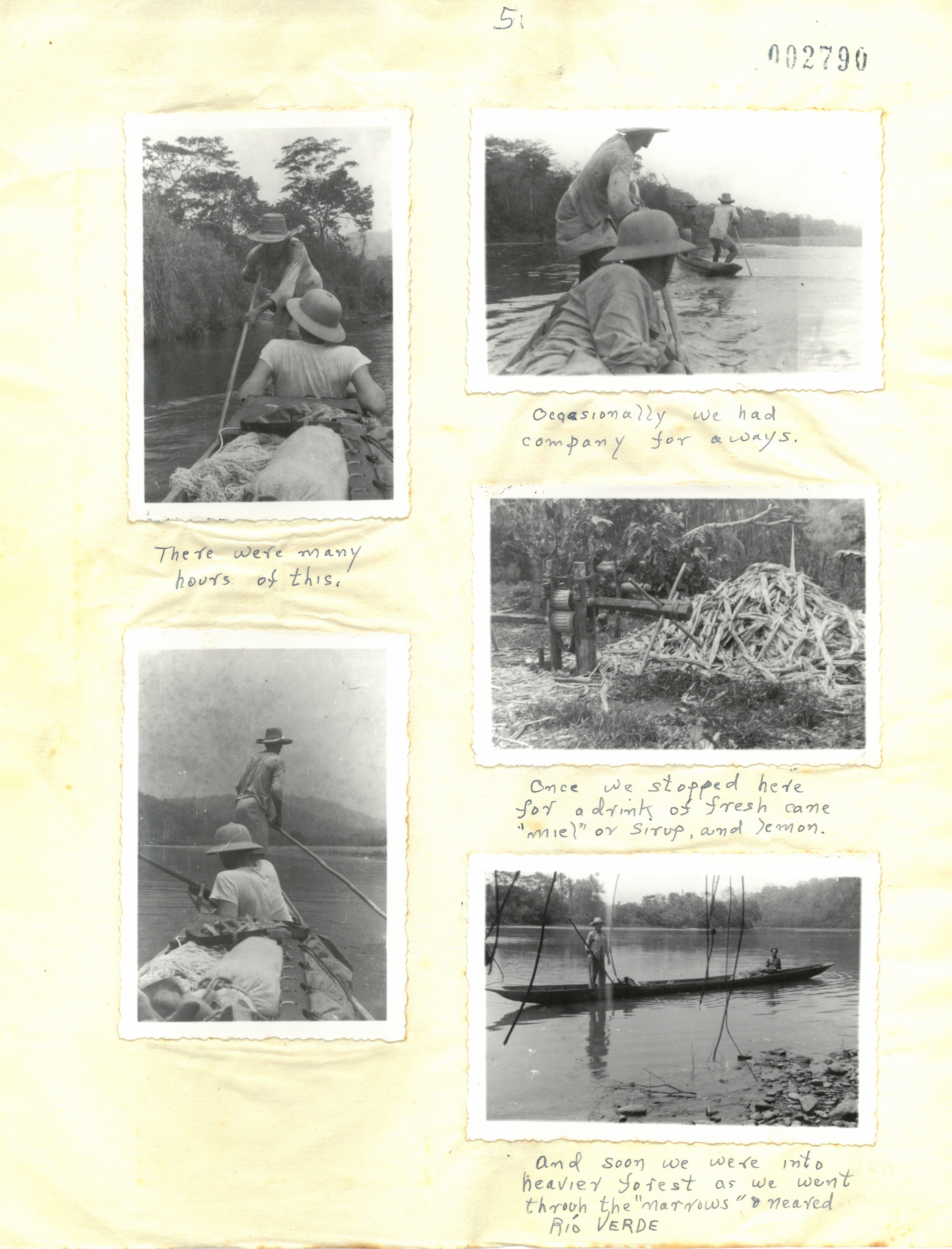
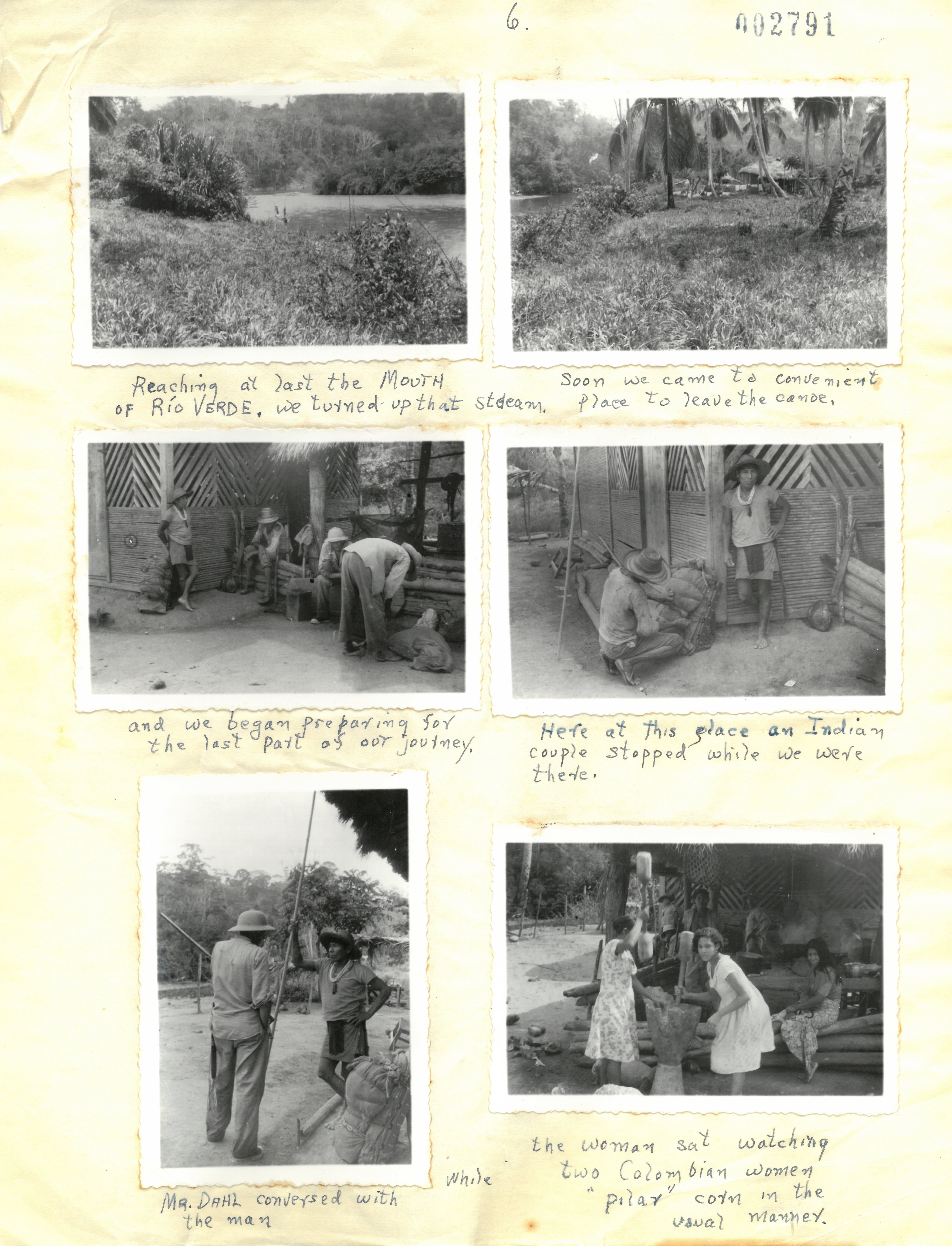
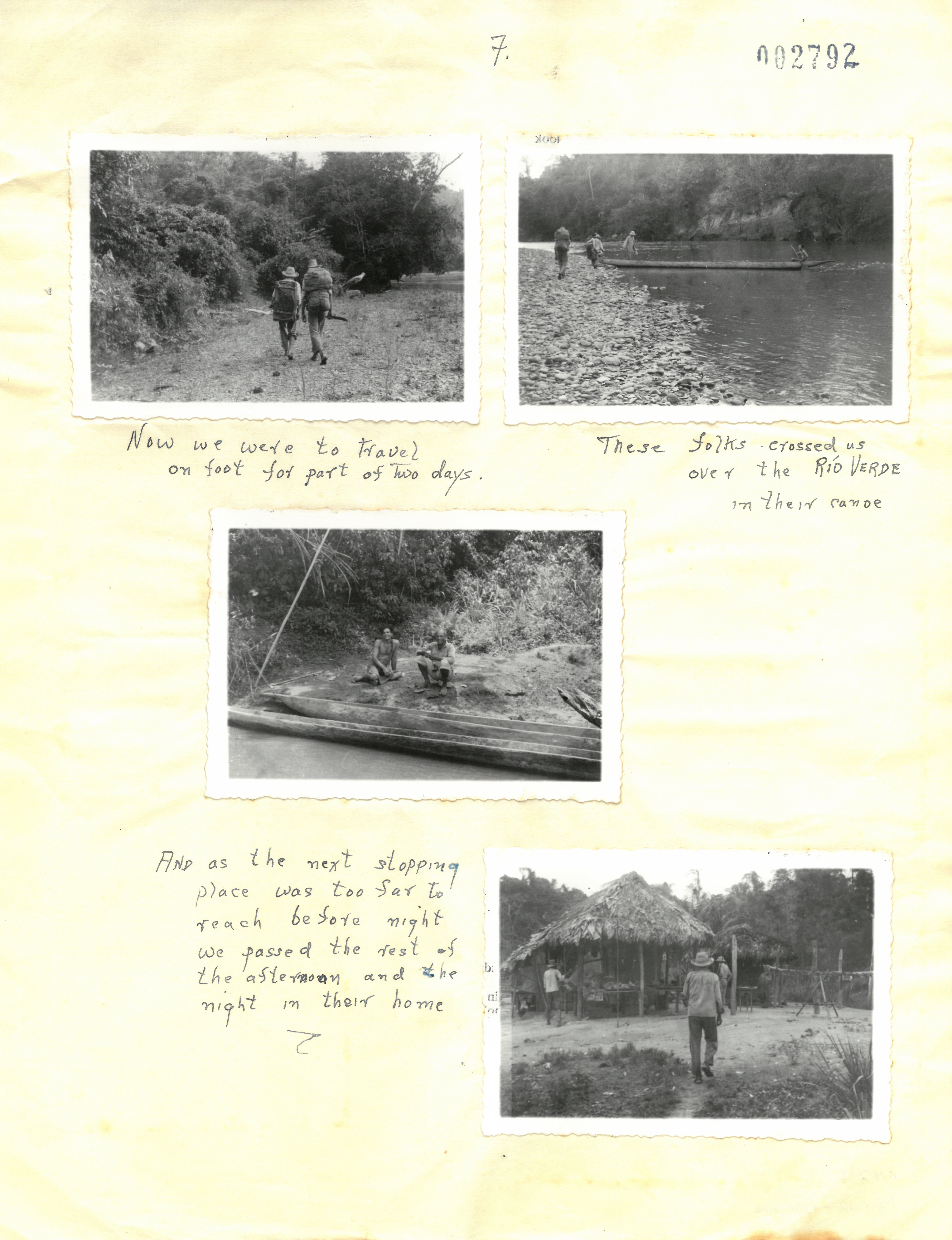
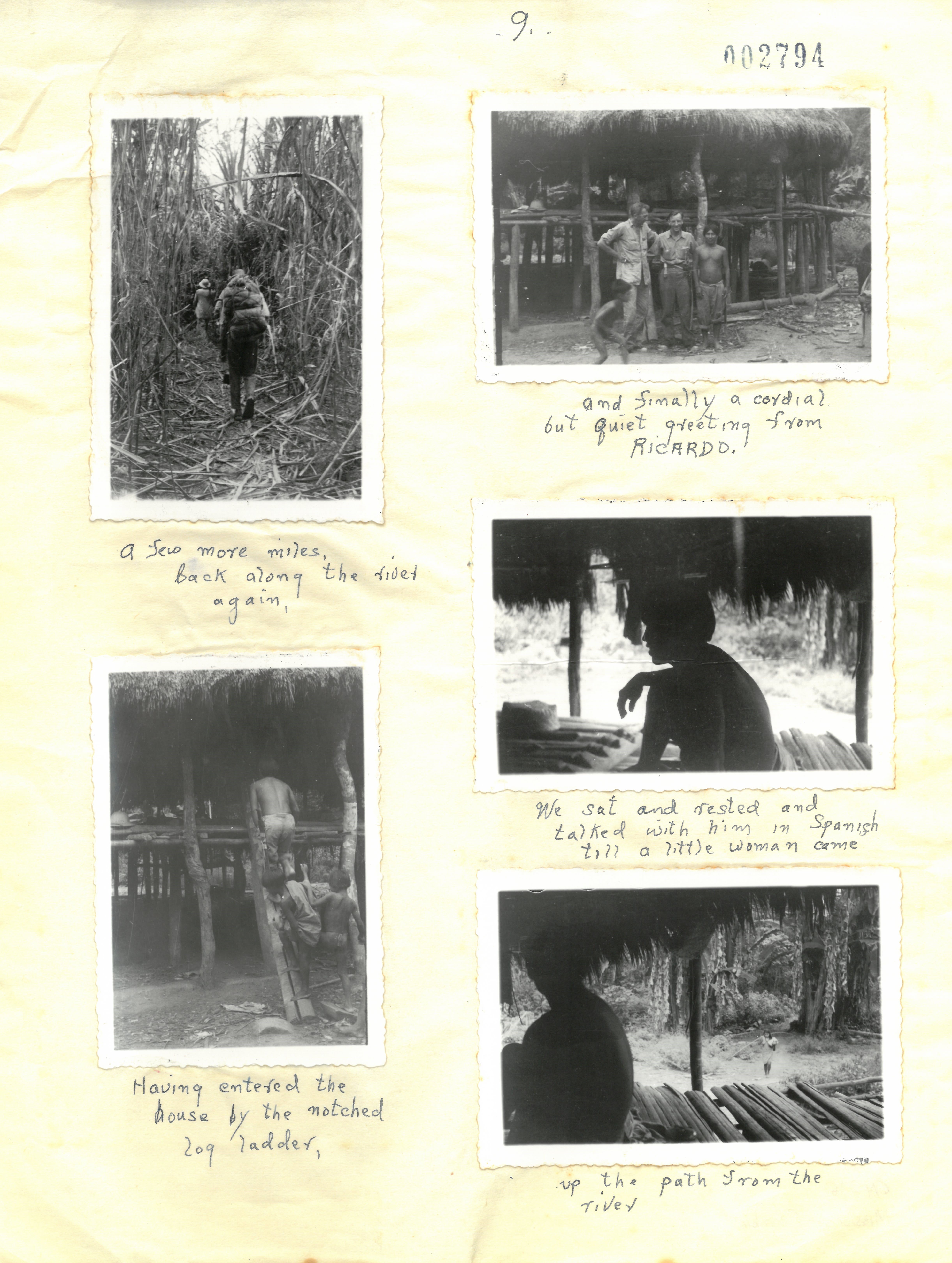
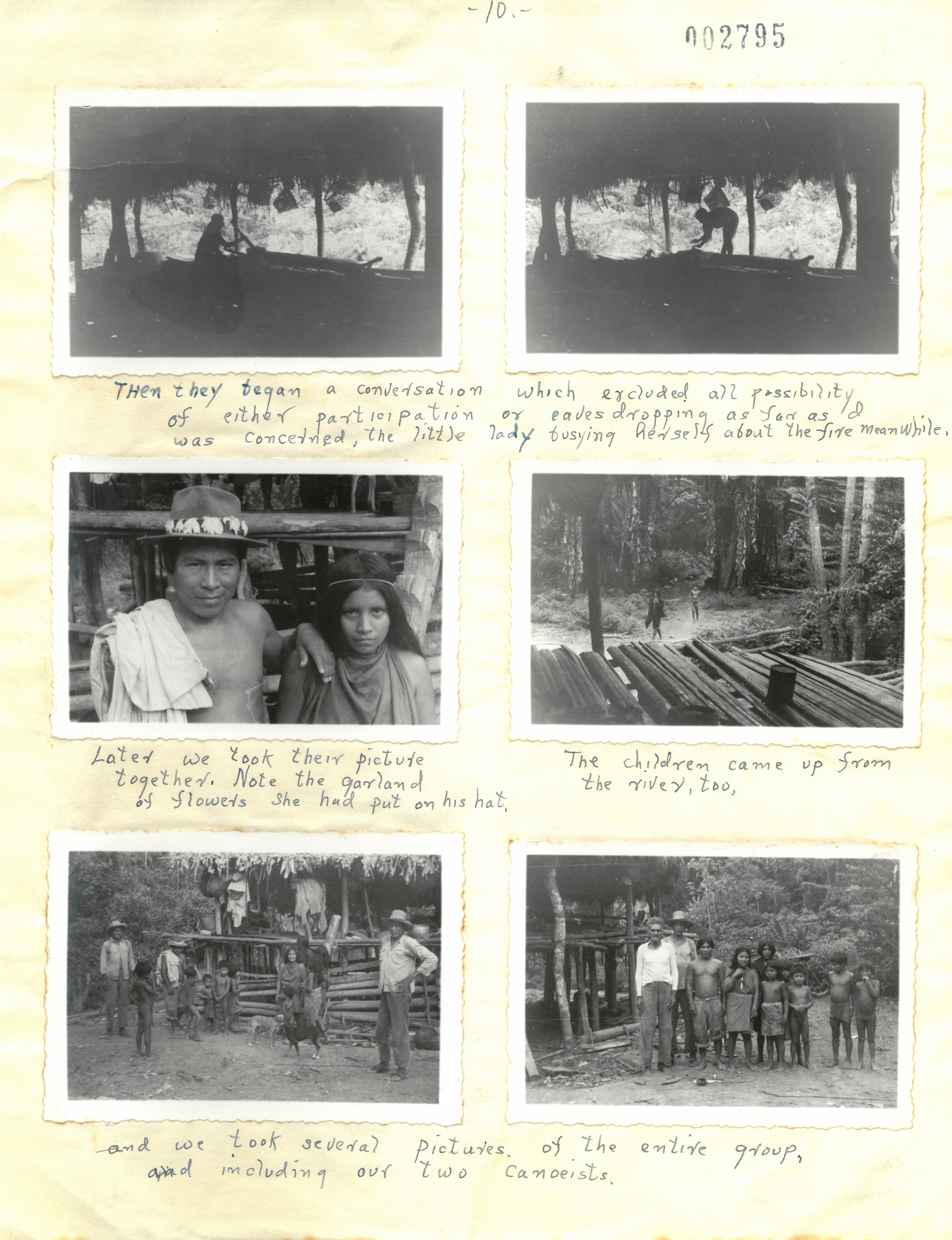
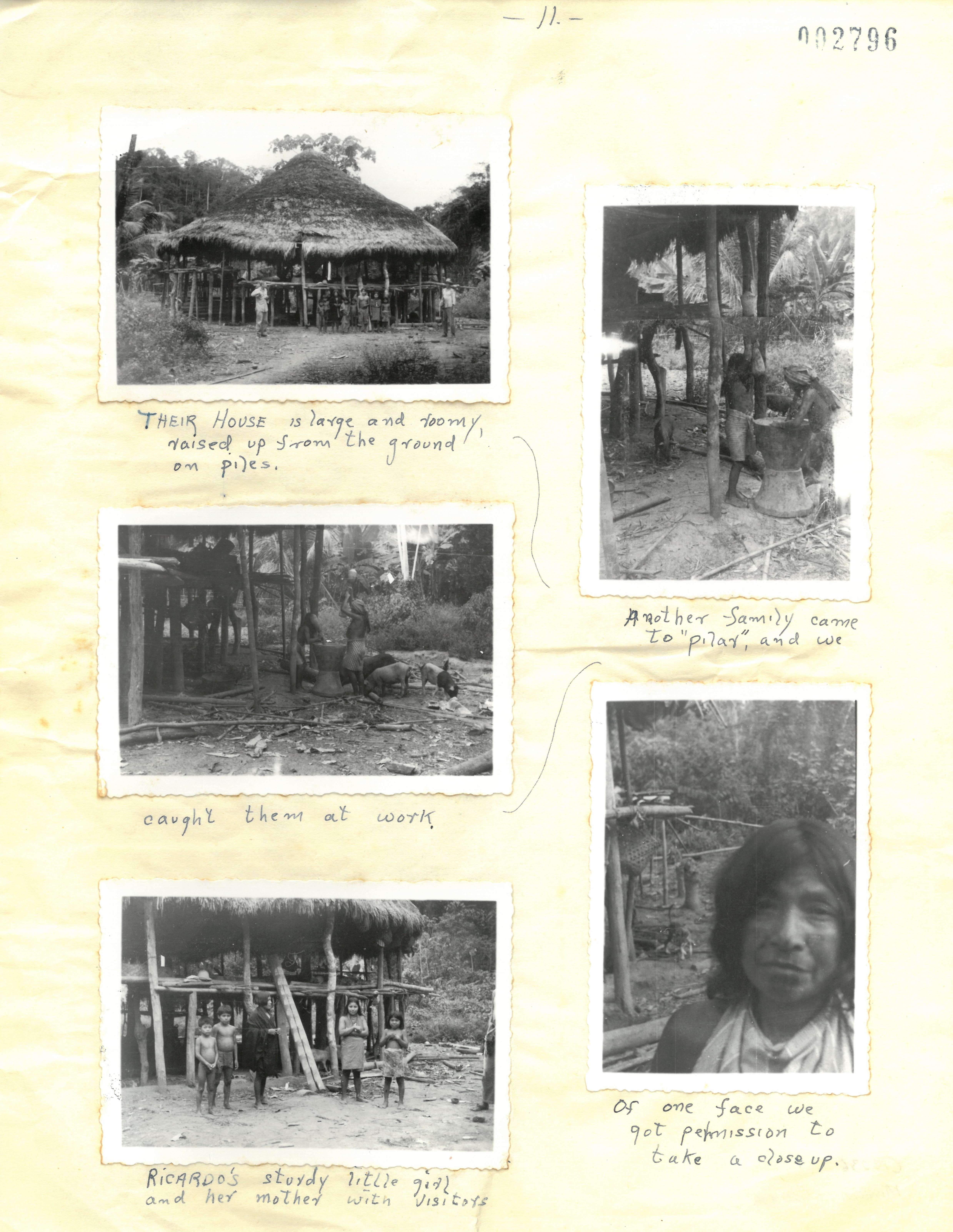
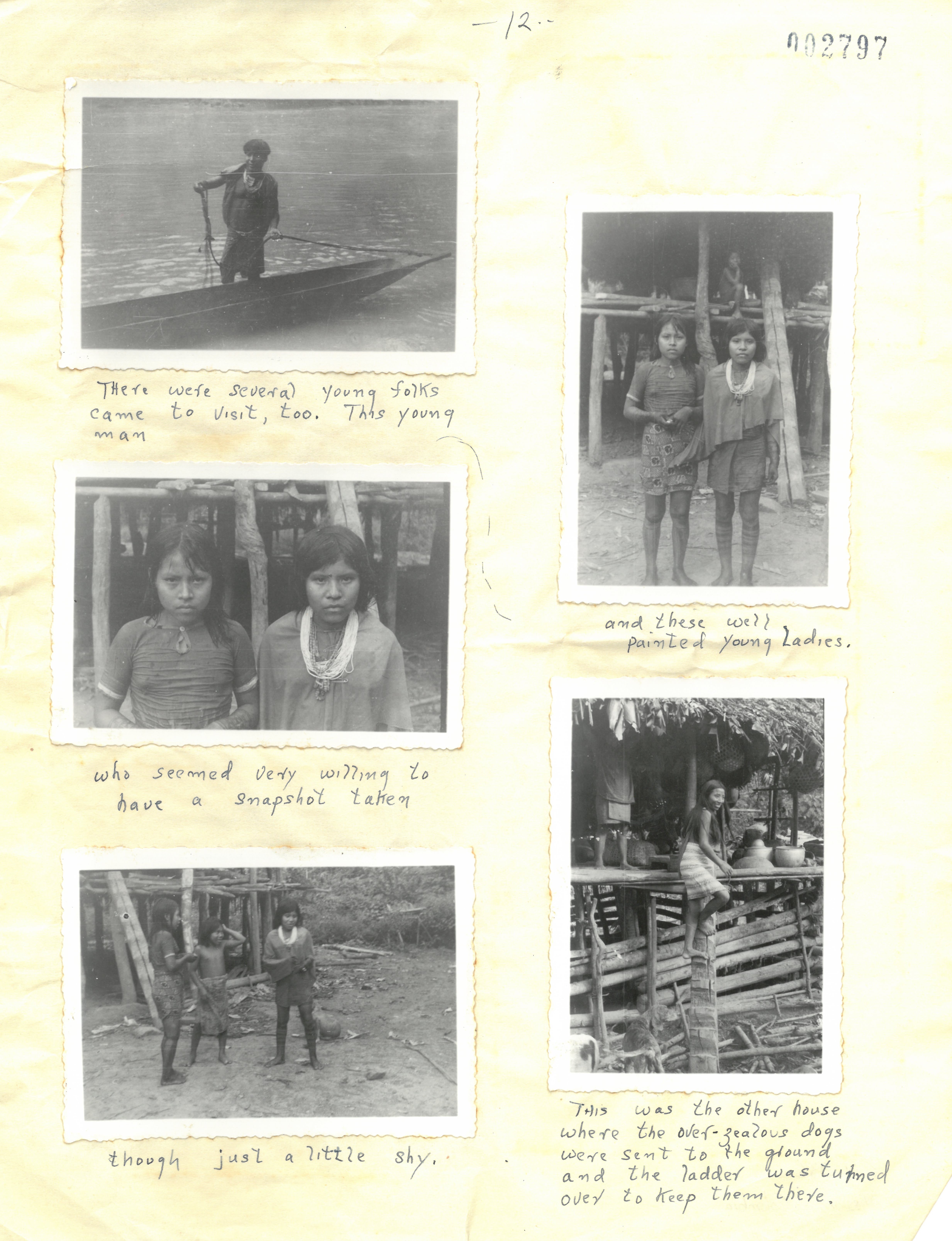
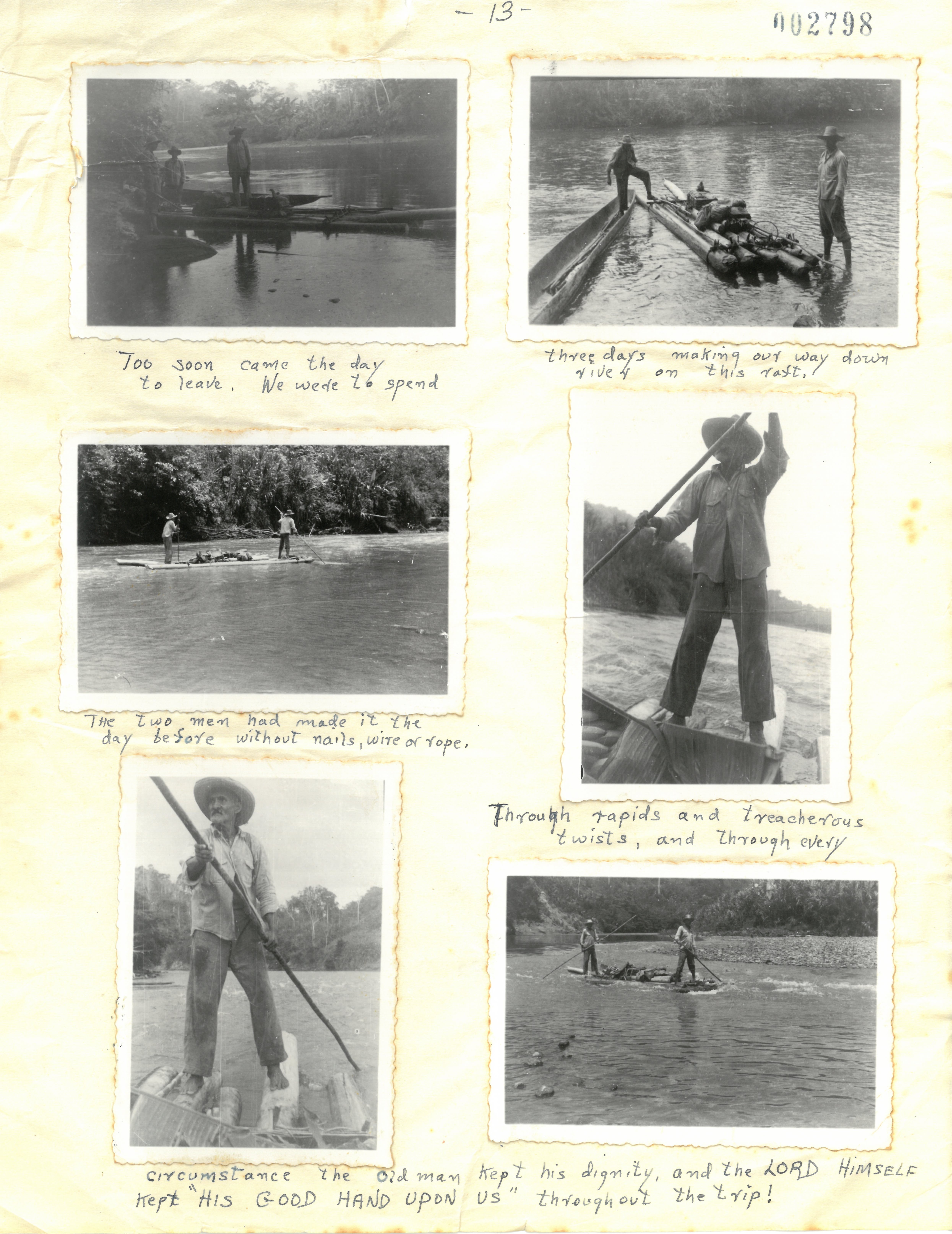
In addition to the photograph sheets and detailed captions above, Ernie Fowler also sent a written report of the trip to LAM’s Colombia Field office (held in Folder 23-09, Collection 236: Latin American Mission Records).
After a furlough in 1963, Ernie returned to Colombia with a new provision from LAM to focus on the work with indigenous communities. He coordinated outreach efforts with Gordon Horton among the Emberá around the Sinú River and with Alick Clark among the Yukpas of the highlands. With no established churches among the indigenous groups, the work focused on supporting translation efforts for the Northern Emberá and Yukpa languages, promoting literacy development, and training local Colombian pastors and evangelists for mission work.
Tragically, in 1966, rural bandits—remnants of the previous decade’s factionary violence—killed Ernie during a visit to the Andes highlands. Although his mission was cut short, Ernie’s years of ministry in Colombia helped sow the ground for LAM’s dynamic Evangelism-in-Depth campaign in 1968, which mobilized tens of thousands of Colombians to share the Gospel across the country.
Explore more holdings related to missions and evangelicalism in Colombia at Wheaton Archives and Special Collections through the online finding aids for Collection 236: Latin America Mission Records and Collection 204: South America Mission Records, among other records.
 From the Vault