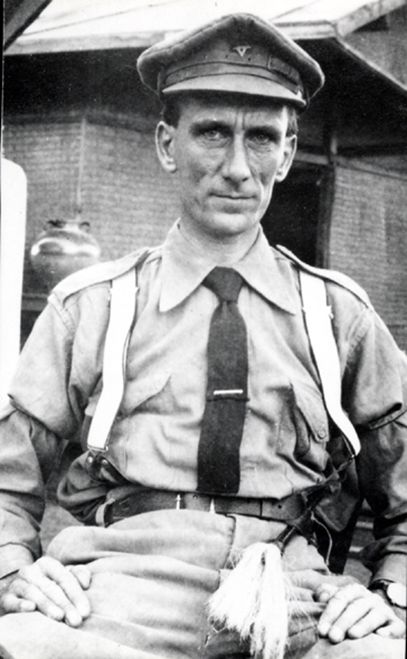
This year marks the 150th anniversary of Oswald Chambers’ birth on July 24, 1874, in Aberdeen, Scotland. Chambers’ best known work, My Utmost for His Highest, has remained in print since its first publication in Britain in 1927. The daily devotional has been translated into over forty languages and ranks in the top ten of religious bestsellers in the United States, with millions of copies sold since the first American edition was published in 1935.
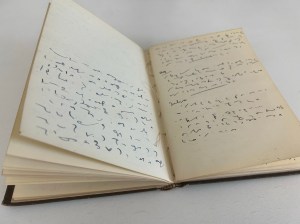
Wheaton Archives & Special Collections holds 50 boxes of materials, books and photographs on Chambers, primarily gathered by David McCasland during his research for writing the biography, Oswald Chambers: Abandoned to God. Donated to the Archives by the Oswald Chambers Publications Association in 2002, the collection includes Oswald’s published writings, correspondence, samples of Biddy’s shorthand notes and other materials relating to his education, growth and years of Christian ministry.
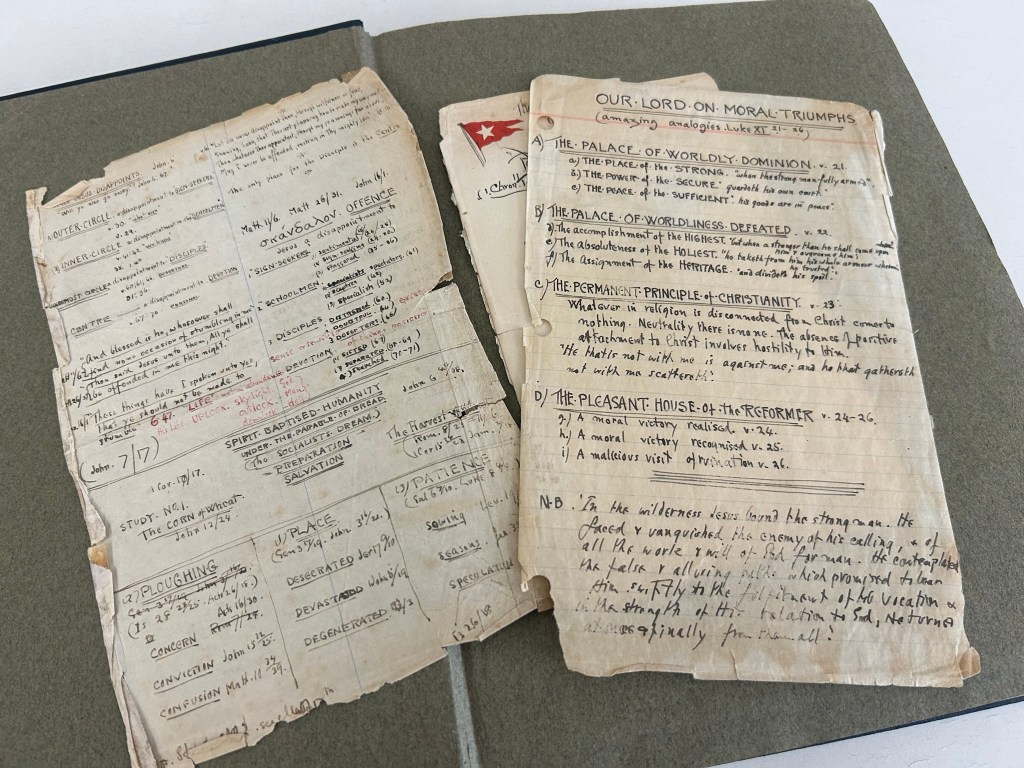
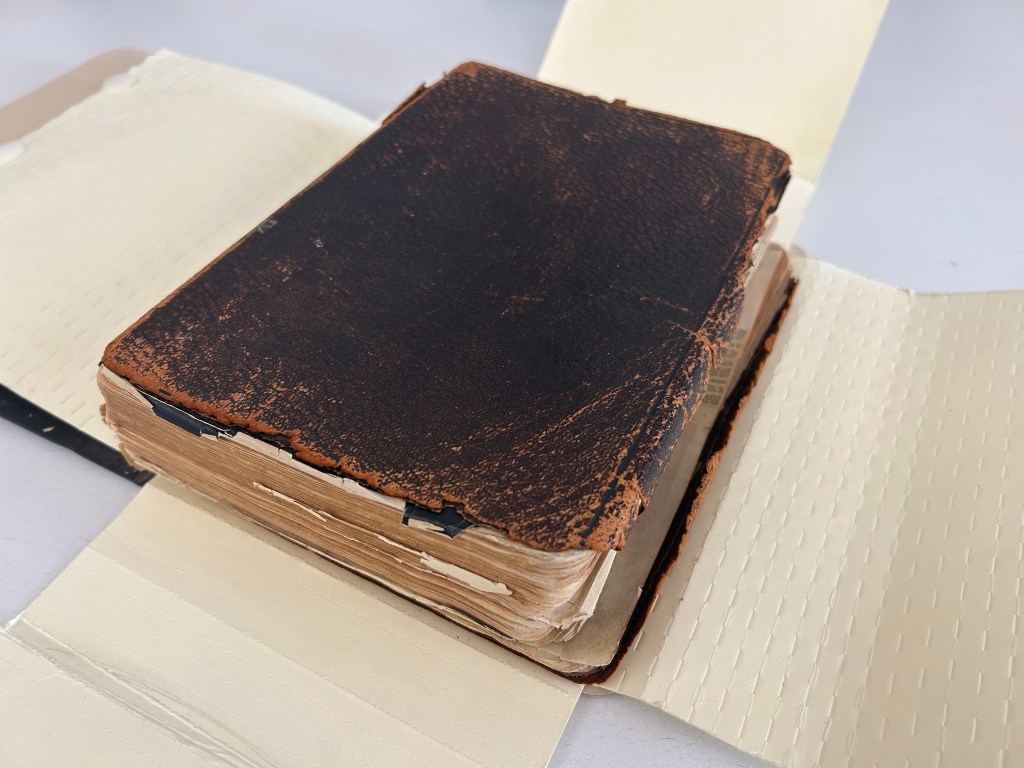
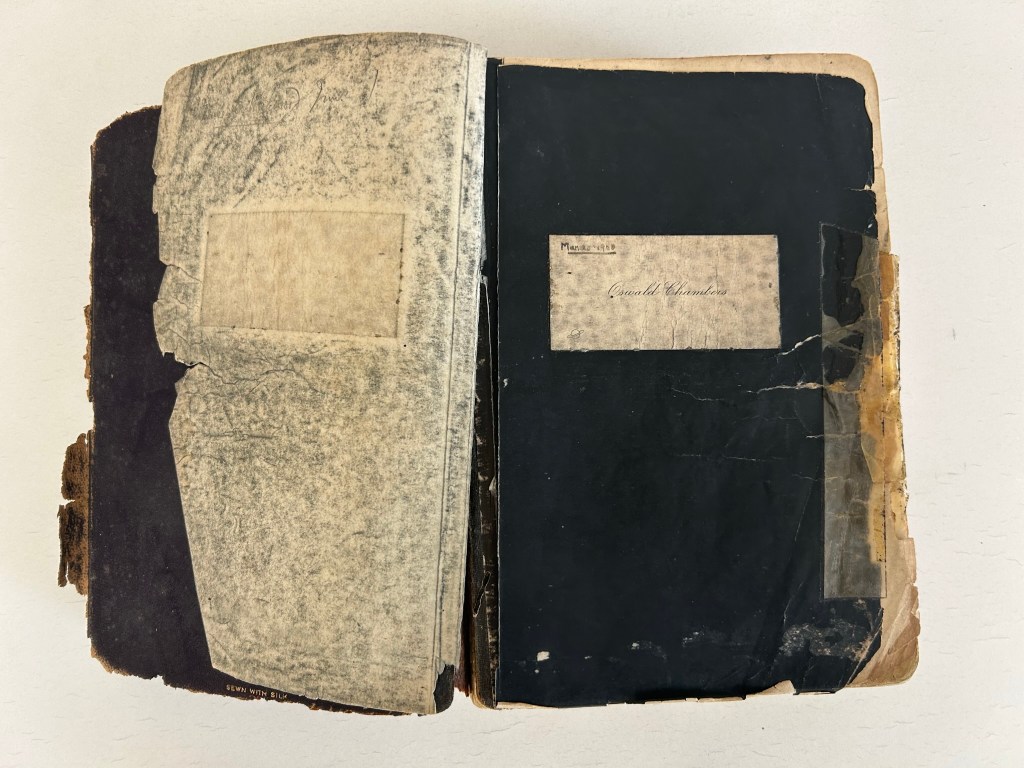
Of special interest are the class notes and personal diaries of Eva Spink—a student of Chambers’ at the Bible Training College in London and a co-worker in Egypt—and a Bible used by Oswald Chambers in the early 20th century filled with his extensive annotations.
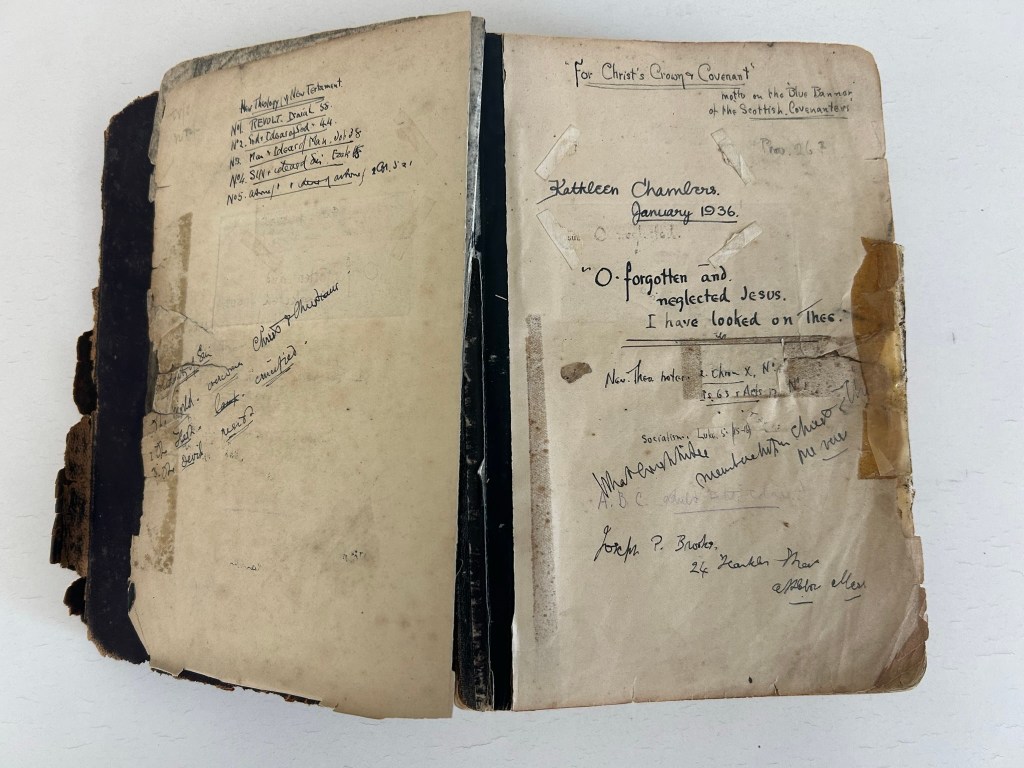
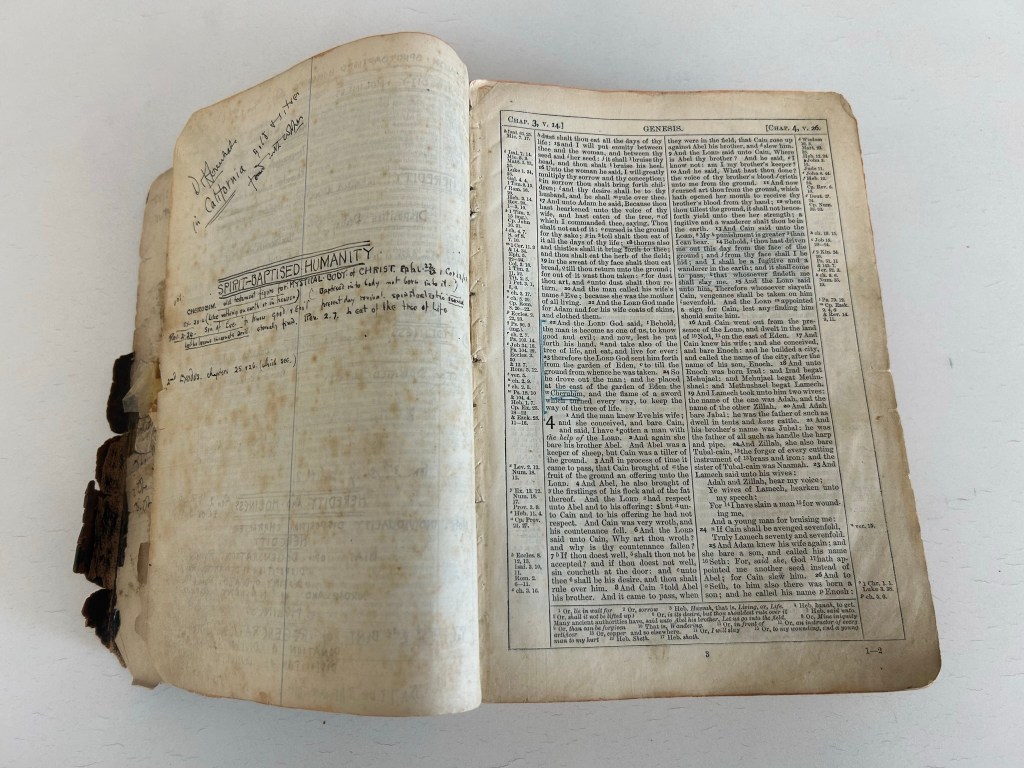
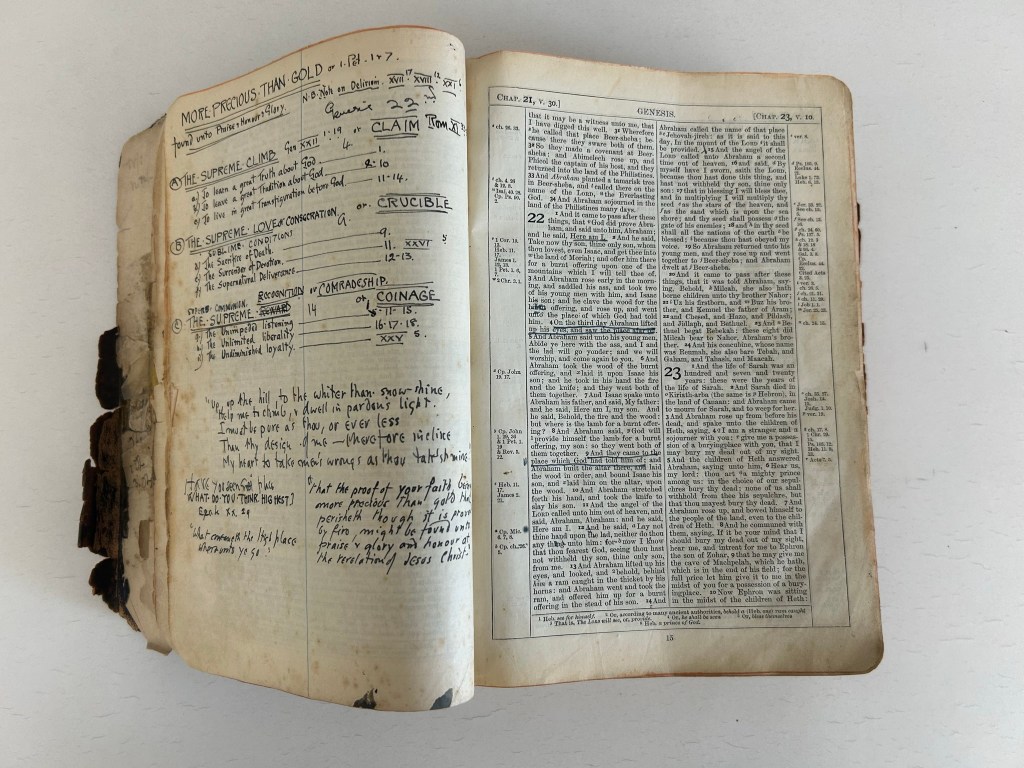
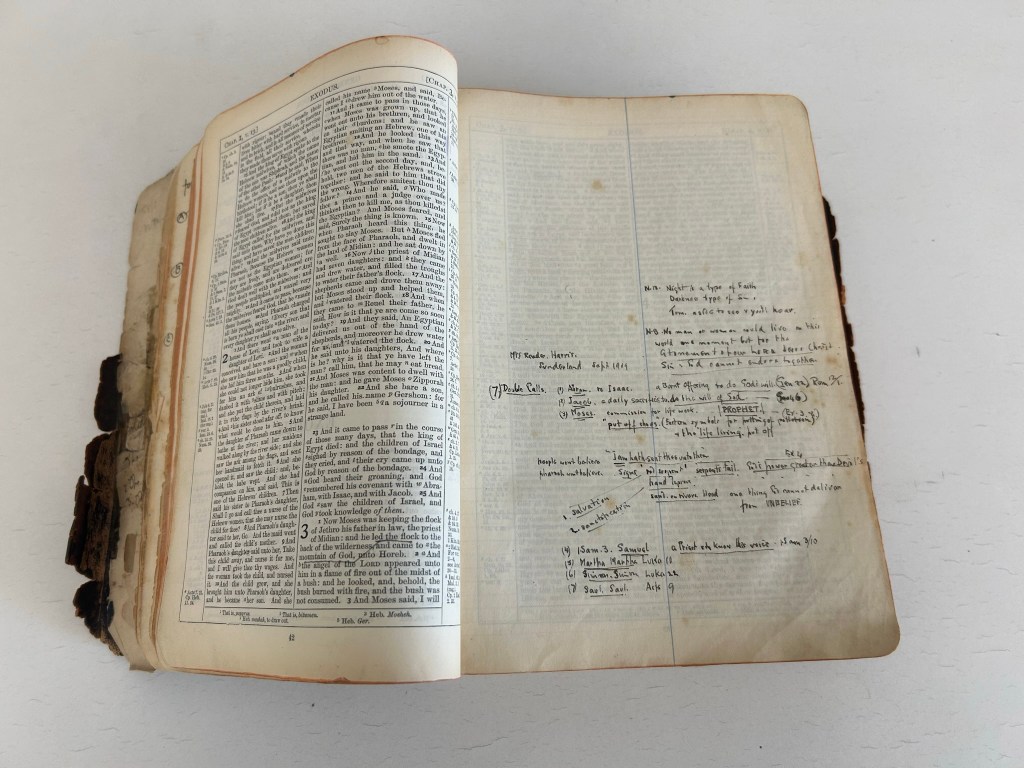
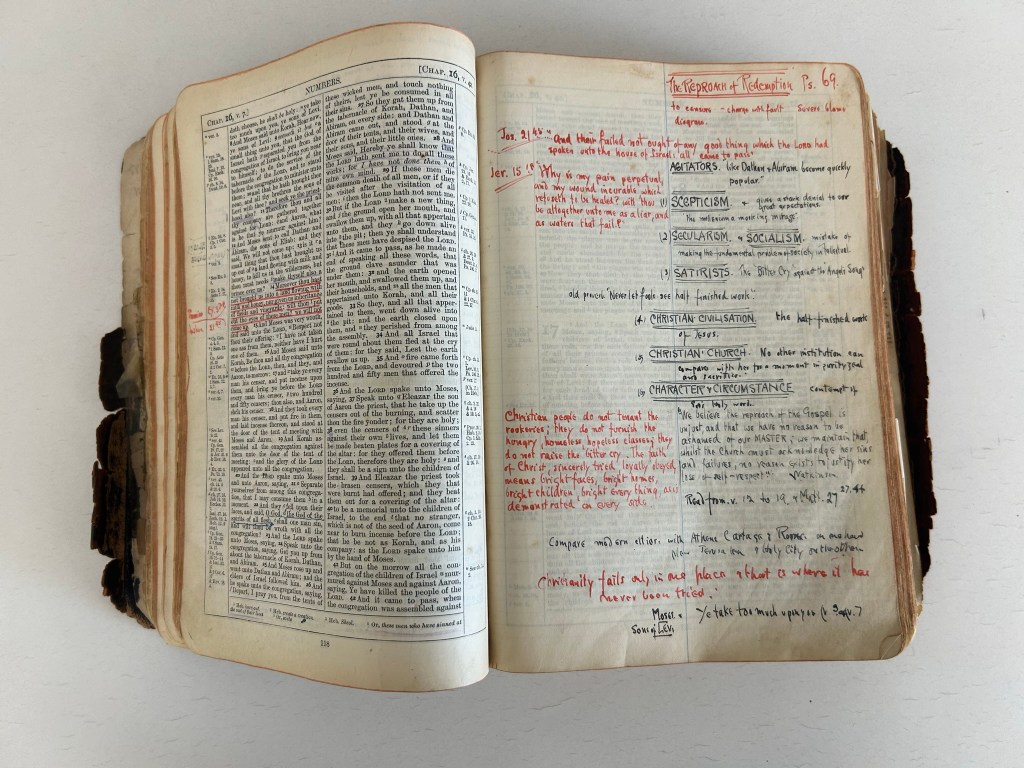
Oswald Chambers first felt a call to full-time ministry while a student at the University of Edinburgh. He left the university to attend Dunoon Training College where he studied Bible and Christian theology with the Reverend Duncan MacGregor. While at Dunoon, Oswald also met Richard Reader Harris, founder of the Pentecostal International Prayer League. Through this connection, Oswald began a period of international ministry, preaching at camp meetings in the United States, Japan, and Great Britain. He traveled with men like Juji Nakada and worked closely with the Holiness movement in America and England.
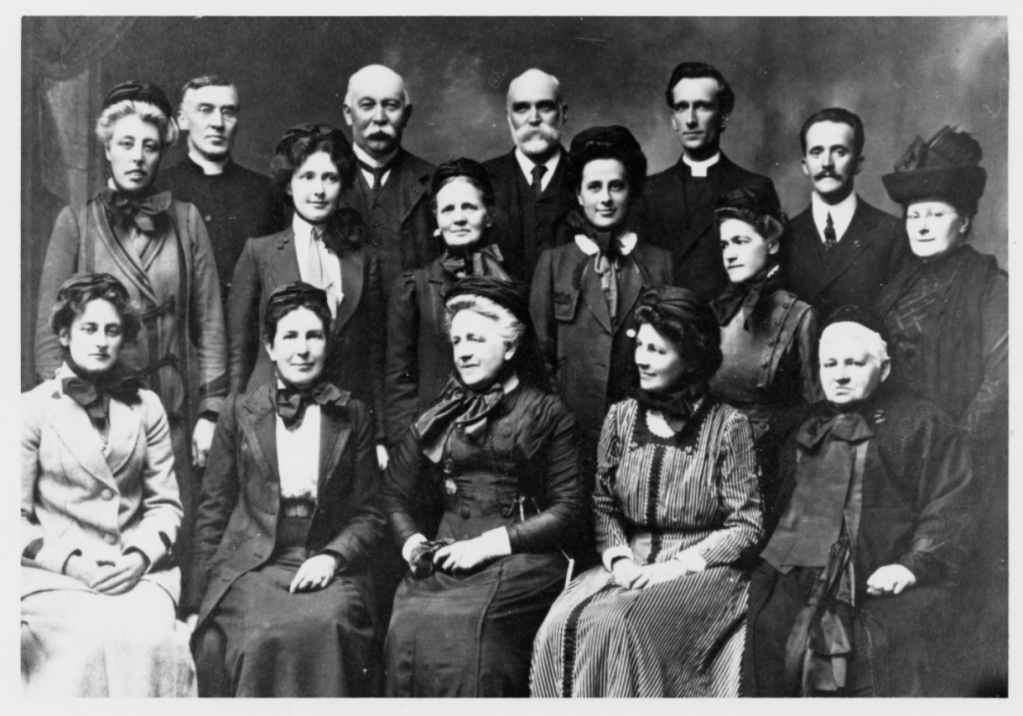
On a ship headed for America in 1908, Oswald met again Gertrude “Biddy” Hobbs, the daughter of family friends. Over the course of the next two years, the two corresponded regularly through Oswald’s travels and their relationship deepened. They were married on May 25, 1910.
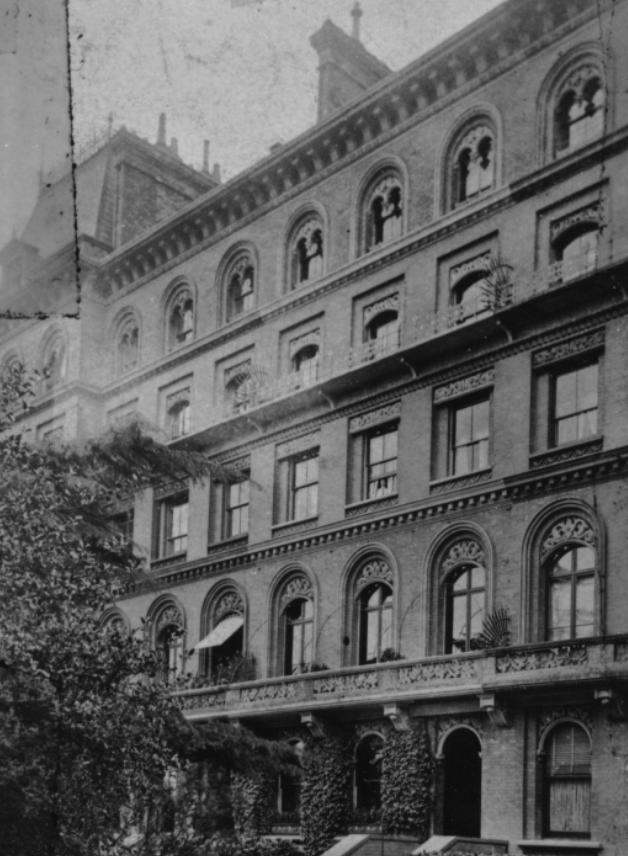
Both Oswald and Biddy felt called to a ministry other than traveling evangelism. With the support of the Prayer League, they founded the Bible Training College (BTC) in London, England, open to all students regardless of age, education, or class. The Chambers spent four years building the college and ministering to its 100 students. Over its few years of existence, the College sent more than forty students to the mission field.
With the advent of the Great War in 1914, Oswald’s focus shifted from teaching to ministering to the rapidly growing ranks of young soldiers. In October 1915, he traveled to Cairo, Egypt to work with soldiers through the YMCA. Two months after Oswald’s arrival, his wife, Biddy, and their two-year old daughter, Kathleen, joined him and together they began a ministry among the thousands of soldiers stationed near the Army Training Camp in Zeitoun, Egypt. As an YMCA chaplain, Chambers served the soldiers as a counselor, pastor, and teacher. At the busy YMCA tent, Oswald and Biddy met with soldiers personally, provided writing supplies for letters, hosted simple teas, and held daily Bible studies.
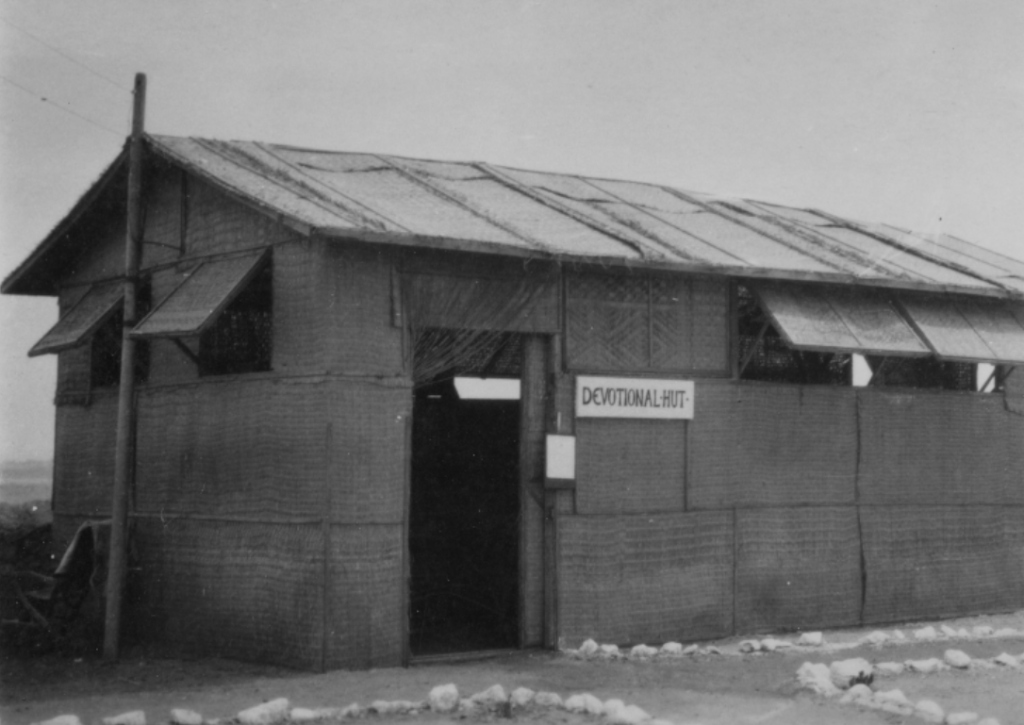
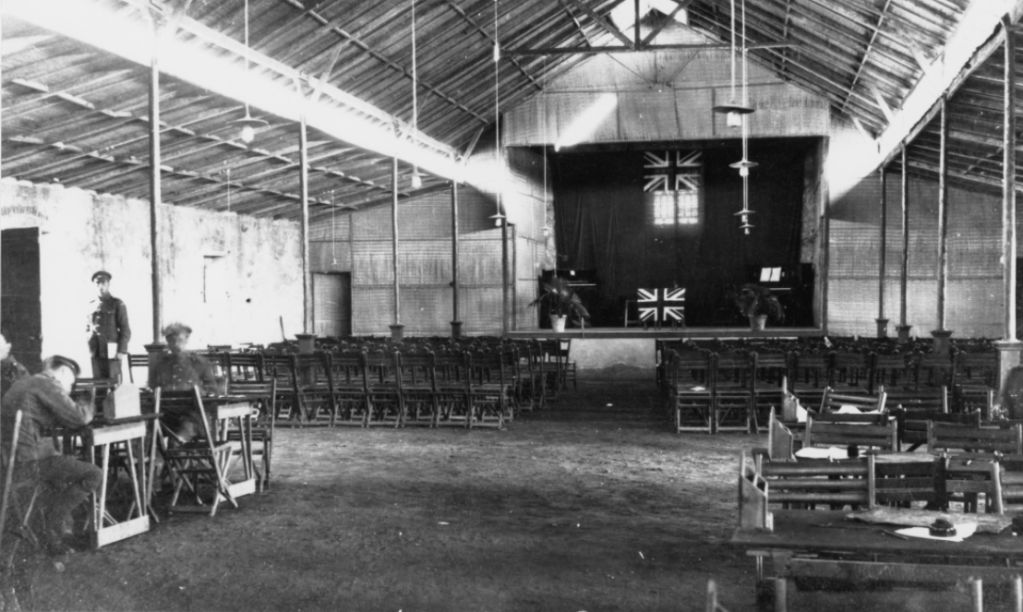
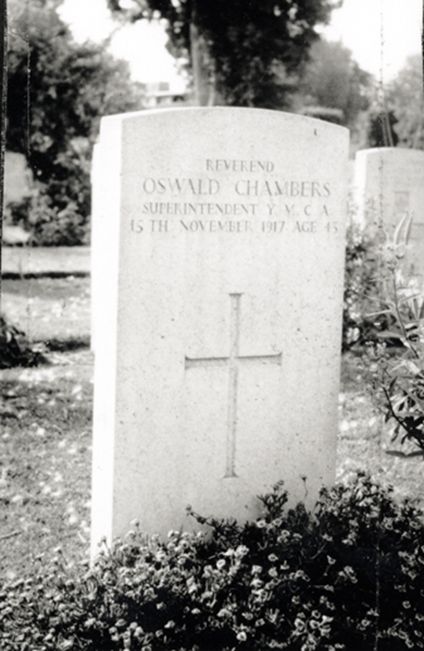
Though there were others from the YMCA assisting in the work, including several BTC students, it was demanding and took a toll on Chambers’ health. On October 29, 1917 Oswald was taken to a Red Cross hospital in Cairo with severe pains in his abdomen. An emergency appendectomy was performed that evening, and he began to recover, but a week later he suffered a series of relapses from a blood clot in his lung. He died on November 15, 1917. Word was spread to friends in England and abroad by a cable that read simply “Oswald in His Presence.”
One friend wrote in his diary that he was shaken by Oswald’s death, not with “hopeless sorrow or resentment, but sheer staggerment.” 100 soldiers were a part of the funeral cortege while Samuel Zwemer spoke at his graveside service. His life was described as the “finest commentary on the Sermon on the Mount.” Those assembled at the grave sang Psalm 121 from the Scottish Psalter:
I to the hills will lift mine eyes
From whence doth come mine aid.
My safety cometh from the Lord,
Who heav’n and earth hath made.
Thy foot he’ll not let slide, nor will
He slumber that thee keeps.
Behold, he that keeps Israel,
He slumbers not, nor sleeps.
The Lord thee keeps, the Lord thy shade
On thy right hand doth stay:
The moon by night thee shall not smite,
Nor yet the sun by day.
The Lord shall keep thy soul; he shall
Preserve thee from all ill
Henceforth thy going out and in
God keep for ever will.
Biddy and Kathleen Chambers remained in Egypt through the end of the war, continuing the work with the YMCA. Shortly after Oswald’s death, Biddy also helped produce a YMCA pamphlet based on his popular sermons, which became a run-away success among the British and Commonwealth soldiers.
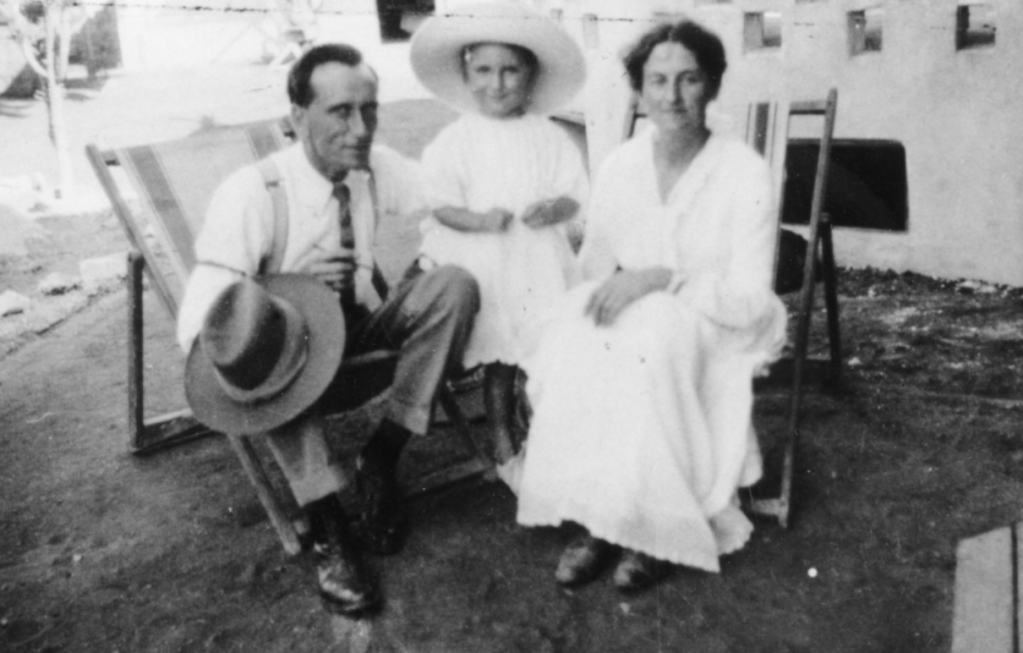
When she and Kathleen returned to England, Biddy continued what she called “the ministry of the books.” The vast majority of the published writings of Oswald Chambers come from the sermons and lessons he gave verbally, which Biddy took down verbatim in pitman shorthand (up to 250 words a minute) and then transcribed, edited, and arranged into devotionals, sermon collections, and other manuscripts. Due to her efforts, more than thirty books bear Oswald Chambers’ name, including My Utmost For His Highest.
Though an accomplished teacher during his life, Oswald Chambers’ writings and name are more known today than when he was alive. In many ways, Chambers’ death could have been easily lost to history amidst the staggering losses of World War I. That his legacy endured and even grew beyond his untimely death was the result of the impassioned efforts of Biddy Chambers to preserve, arrange, and distribute her husband’s teachings.
Explore more materials on Oswald and Biddy Chamber’s life and ministry through the Oswald Chambers Papers. Select photographs from the collection are also hosted on Wheaton College’s Digital Collections.
 From the Vault