Stories from the Archives: An Interview with Dr. Aaron Griffith

At the end of September, Wheaton Archives & Special Collections hosted historian Dr. Aaron Griffith for the 2022 Archival Research Lecture, “American Evangelicals and the Making of Modern Prison Ministry.” For those who were unable to attend the lecture, this month we feature an interview with Dr. Griffith about the many visits he made to the Archives during his research on prison ministry and evangelical attitudes to criminal justice.

When and how were you first introduced to Archives & Special Collections?

Believe it or not, when I was a Wheaton undergraduate student (and a philosophy major, not history), I had very little idea of the Archives’ existence or purpose (though I remember a friend telling me that the third floor of the Billy Graham Center was a nice, quiet place to hang out). It wasn’t until much later, as I started getting interested in American religious history during my M.Div. program, that I realized that the Archives was an absolute goldmine for the study of evangelicalism. My first research trip to the Archives was when I accompanied Grant Wacker there for a day, to assist him with some research for his book on Billy Graham. We were both in Wheaton for a conference, and he asked me to help him read through some letters to Billy Graham and categorize them. I remember feeling energized by this work, and I think it was this experience that really sealed the deal for me in terms of getting me excited about historical research and showing me how important the Archives is for understanding American evangelicalism.

Continue reading

A Workman for Souls: Remembering William R. McCarrell

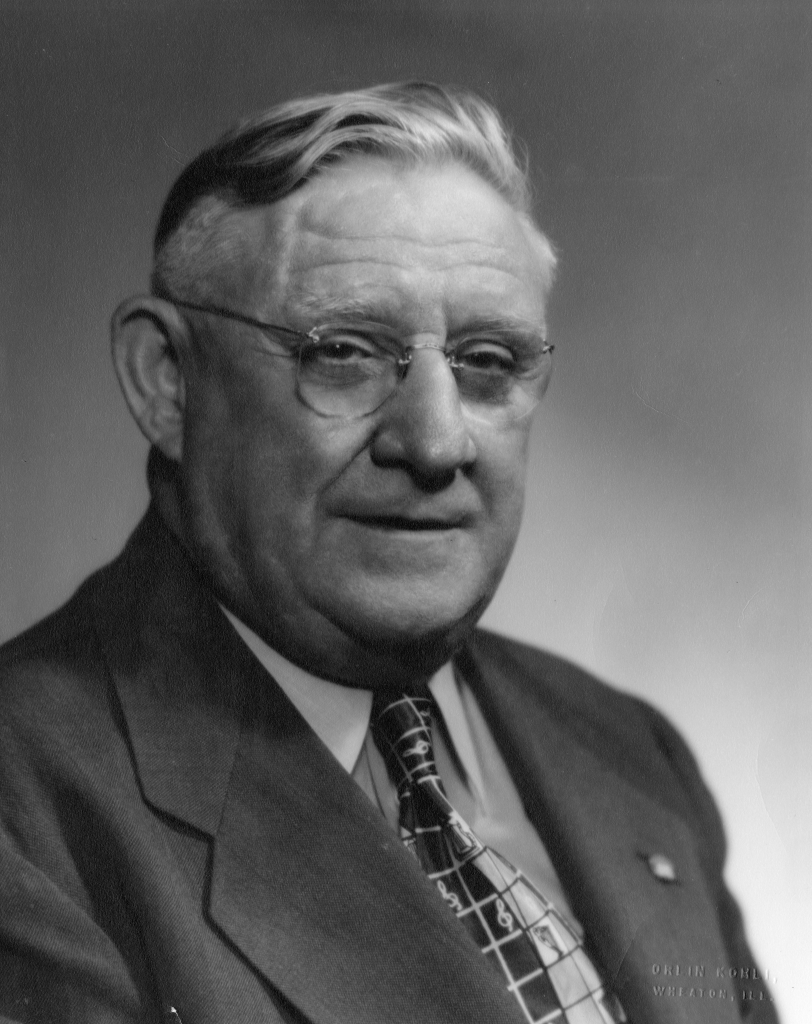
College Archives Photograph A1922

The influence of professors, students and administrators is often felt long after they are gone. A ministry might be deeply influential publicly or privately, but after the passage of years, memory of that work diminishes. Fortunately, Wheaton Archives & Special Collections offers an opportunity to revisit the particulars of hard-won contributions to the history of Wheaton College, local Chicago missions, and world evangelism. One such story is that of Dr. William R. McCarrell.

Continue reading

Snapshots of Global Missions

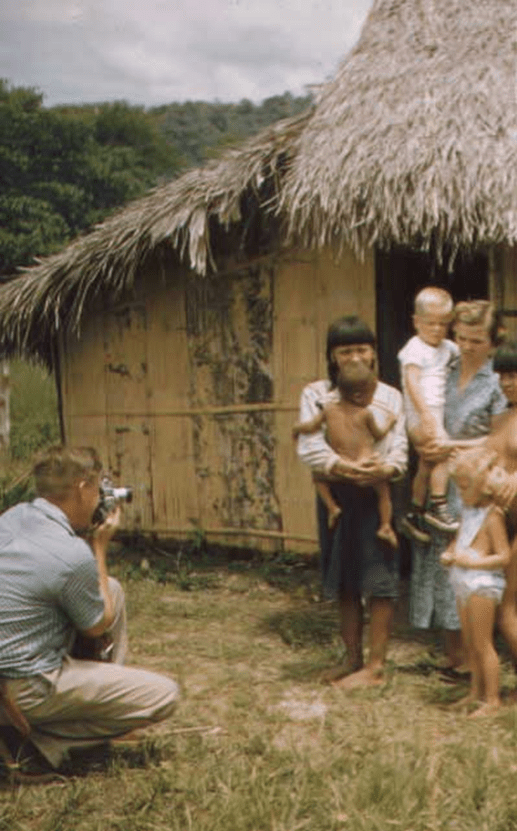
CN 278: Papers of Elisabeth Elliot, Slide 66

Missionaries often find themselves in disparate places all over the world, and even though their primary role is not to be photographers, many have a camera in hand to capture landscapes, peoples, rituals, homes, costumes, daily activities, ministry activities, staff group shots, and more. Sometimes the images are intended for use in prayer letters or marketing efforts by their agency or sending church. Other times missionaries, like amateur anthropologists, are perhaps among the first to photograph a people group, such as Elisabeth Elliot’s shots of the Waodani people in Ecuador.

As we archivists say to budding researchers, understanding why a document is created (including photographs) is one key to interpreting the document. Knowing the original contexts and the intended use of these photographs helps us understand them more deeply.

Continue reading

In the Heart of the North Woods

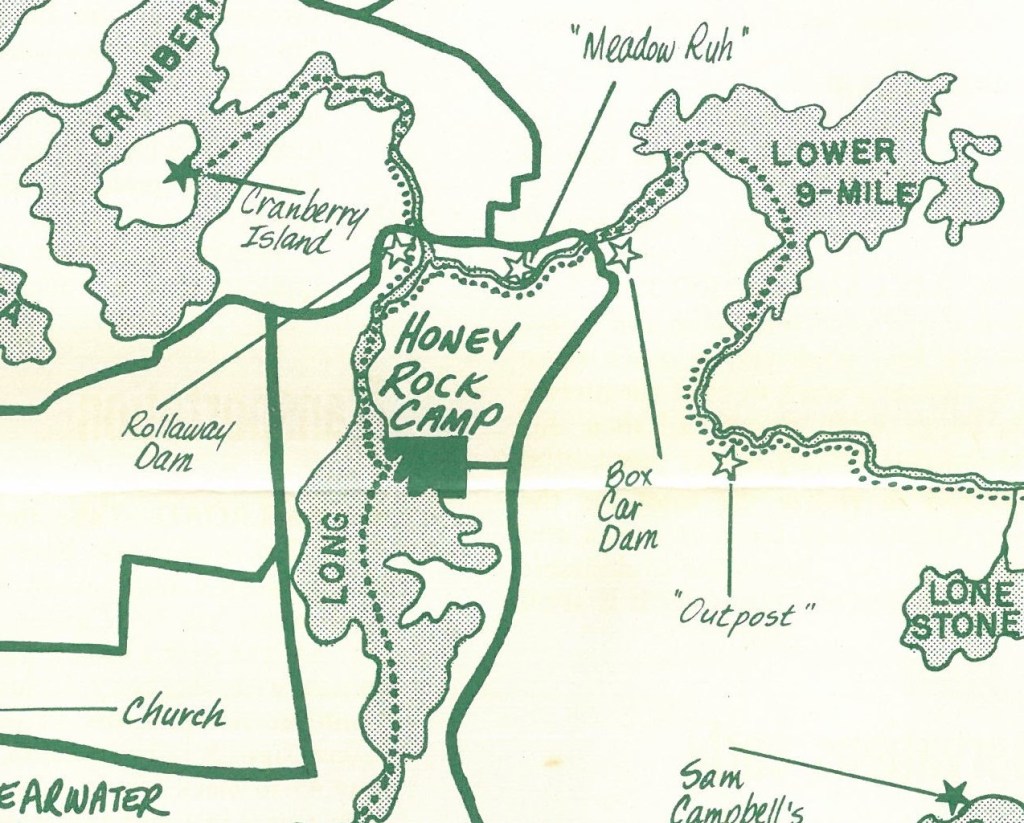
Honey Rock Camp, ca. 1950 (Honey Rock Records, Box 1)

This month hundreds of new Wheaton College students will visit HoneyRock Center for Leadership Development in the northern woods of Wisconsin to begin their Wheaton journey. Envisioned as “a laboratory in counseling and leadership for students,” time at HoneyRock has become a touchstone for many students’ experiences at Wheaton, as well as for Wheaton College faculty, staff, and families.

Continue reading

Marginalia in the Archives

Wheaton Archives & Special Collections holds a wide variety of rare book collections, including more than 200 editions of John Bunyan’s Pilgrim’s Progress, many early texts by and about influential theologians and ministers like John Wesley and Jonathan Edwards, and hundreds of other manuscripts on Christian life, missions, art, and history. A few of these books also include inscriptions and marginalia – the scribbles, notes, and other markings made on the cover pages or in the margins of texts. These extra-textual materials often provide unique insights into the history of a book, as well as its impact.

Continue reading

A Legacy of Women’s Healthcare in China

(CN 379, Folder 4-1)

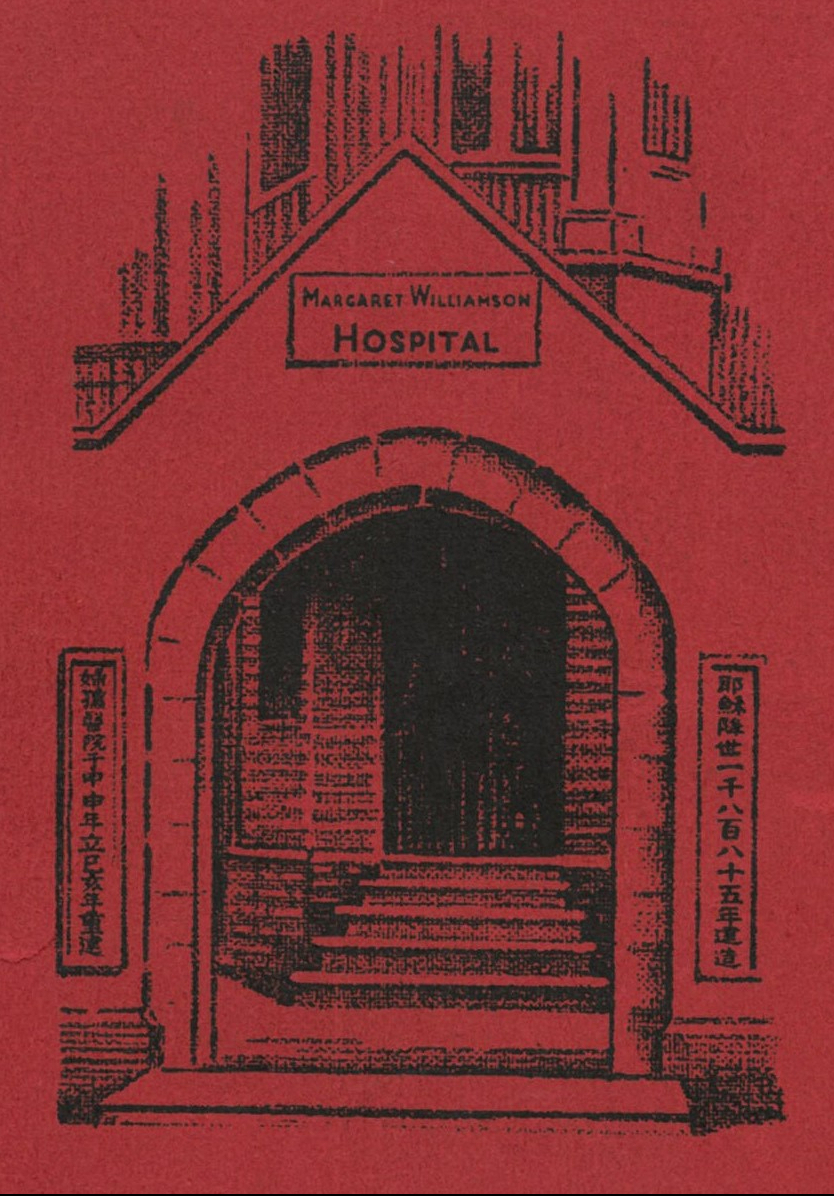
Across the history of global missions, evangelistic work has often been closely tied with practical or humanitarian outreach, especially care for the sick and hurting. The Wheaton College Billy Graham Center Archives holds the records of many such missionary doctors, nurses, and mission hospitals. One of the oldest mission hospitals represented in our collections is the Margaret Williamson Hospital, opened in 1885 in Shanghai, China under the Woman’s Union Missionary Society of America for Heathen Lands (commonly referred to as Woman’s Union Missionary Society or WUMS).

Continue reading

Around the World in 1905

(CN 330, Folder 71-3)

Although most of the records held in our Evangelism & Missions Archives document the work of global missions and evangelism, as an archive of people’s lives, as well as their ministries, our records can also provide fascinating windows into the experiences and adventures of past generations. This week, we feature a scrapbook from Collection 330: Records of Moody Church that chronicles the 1905 world travels of William Borden, future missionary and board member of Moody Church.

Continue reading

E. J. Carnell and the Mad Race for Relevance

Because Wheaton College is frequently associated with C.S. Lewis, whose papers are archived on campus at the Marion E. Wade Center, the popular English author is often humorously invoked as its patron saint. But the appellation could just as aptly fit Dr. Edward John Carnell, whose academic objectives, directly or indirectly, color the mission statements of nearly all accredited American evangelical liberal arts institutions. As theologian, philosopher and professor, Carnell played a crucial role in the development of contemporary evangelicalism, believing that conservative Christians too often failed to intellectually engage with the challenges posed by modernism. Widely networked among prominent American evangelicals of the mid-twentieth century, the movements of his extraordinary career can be seen in the various collections, books and files maintained by Wheaton Archives & Special Collections.  

Continue reading

Jazz Age Evangelism: Paul Rader and the Chicago Gospel Tabernacle

Advertisement announcing the Steel Tent, which became the Chicago Gospel Tabernacle,1922. (CN 38, Folder 1-52)

Wheaton Archives & Special Collections holds the stories of many an unsung figure in the history of evangelism, people who made an impact in their own time but are little remembered today. Such a one is Daniel Paul Rader, more widely known by his middle name Paul. The Chicago Gospel Tabernacle he started in the 1920s was a center of innovation and excitement, launching the ministries of several significant evangelical Christian figures of the next generation.

Rader was the son and grandson of ministers and was one himself for a few years, before a loss of faith led him to resign his pastorate. After leaving the ministry, Rader worked as a boxing promoter and then as an oil company representative. Around 1912 Rader experienced a renewal of his Christian faith. He became active in the Christian and Missionary Alliance, eventually serving as an assistant to C&MA founder A. B. Simpson on Simpson’s evangelistic tours. The next year Rader became an evangelist himself and preached around the United States. In 1915, he accepted the pulpit of Moody Church in Chicago and in 1919, upon the death of Simpson, Rader became the second president of C&MA.

Continue reading