Malla Moe was a legend among missionaries during her own lifetime. Born in Norway in 1863, she immigrated to Chicago as a young woman to live with her sister. However, after meeting Frederick Franson and hearing of his work with the nascent Scandinavian Alliance Mission, she felt a strong call to missions. In 1892 she traveled to Port Natal (Durban) in South Africa to begin missionary and language training. She then went to live and work in the Swaziland (now Eswatini) countryside, traveling between Swazi homesteads (sometimes called kraals in Afrikaans). From that time on, in the words of one biographical dictionary, “she served as evangelist, church planter, teacher, and preacher.” Although she often rubbed other missionaries the wrong way, she loved and was loved by her African congregations. When it became difficult for her to walk, she traveled in a specially built gospel wagon. By the time of her death in 1953, Swaziland and Tonga were dotted with the dozens of churches she helped to found.
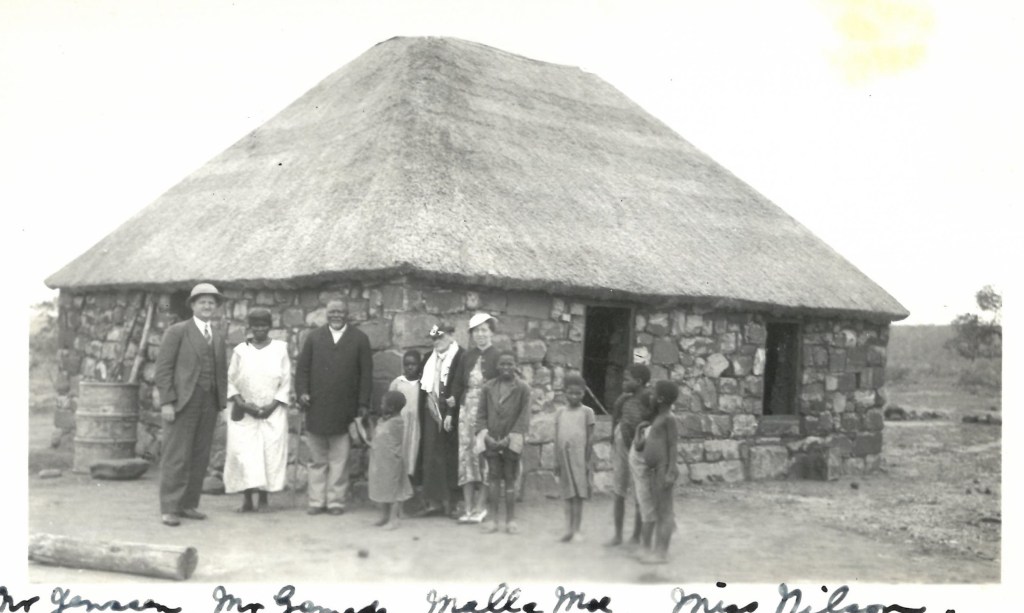
That is the story told in many Western histories of missions. But it is incomplete. (An exception is TEAM’s own history, God Made It Grow, by Vernon Mortenson). Some of those histories mention a Swazi helper named Gamede or sometimes just indicate she had an anonymous native helper. Sometimes no African worker is mentioned.
Continue reading From the Vault