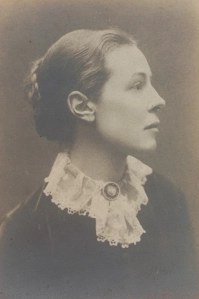
As we near the end of Women’s History Month, the Wheaton Archives & Special Collections shines a special spotlight on the life and ministry of Lilias Trotter—artist, author, and missionary to Algeria for 40 years. Comprising journals, sketchbooks, and watercolor paintings, the Lilias Trotter Papers were placed on deposit at the Wheaton Archives & Special Collections more than a decade ago. In 2023, these unique materials became part of the permanent collections through a generous gift from the Lilias Trotter Legacy.
Today, the Lilias Trotter Papers are a cherished and much-requested collection, accessed by scholars and writers to explore a range of academic disciples—theology, art, missiology, gender studies, and life writing. But more frequently, the materials are used by members of the public hoping for a personal encounter with Lilias Trotter through the words and artwork captured in the pages of her journals and sketchbooks.
Lilias Trotter’s beginnings were inauspicious enough. Born in 1853, Isabella Lilias Trotter was one of nine children raised in John and Isabella’s comfortable home in London’s West End. Young Lilias received the advantage of a middle-class Victorian education, including private education and travel to fashionable locales in Switzerland and Italy.
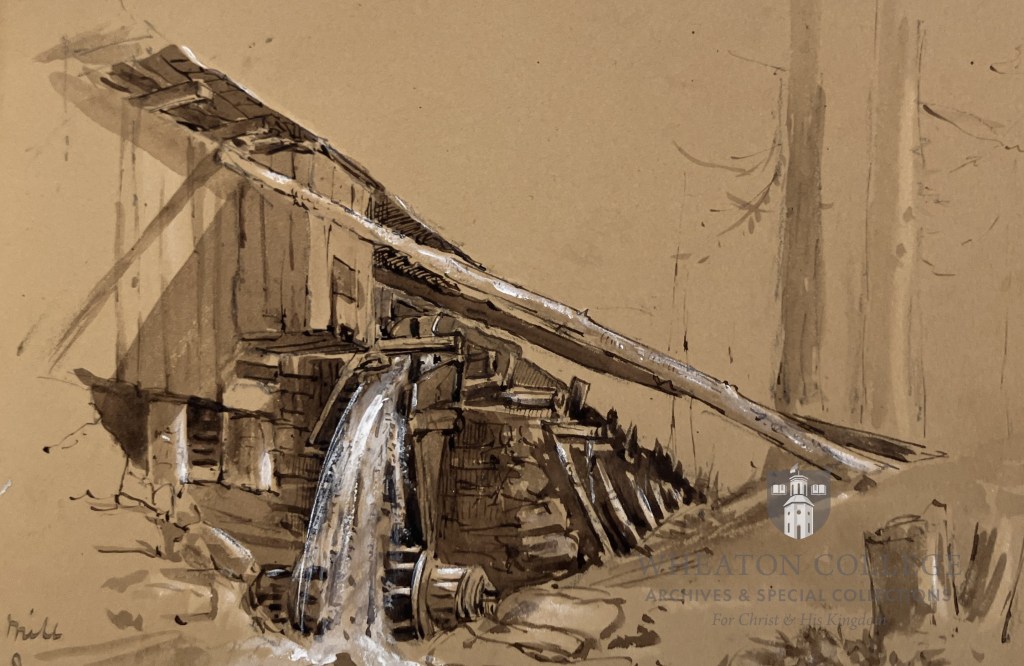
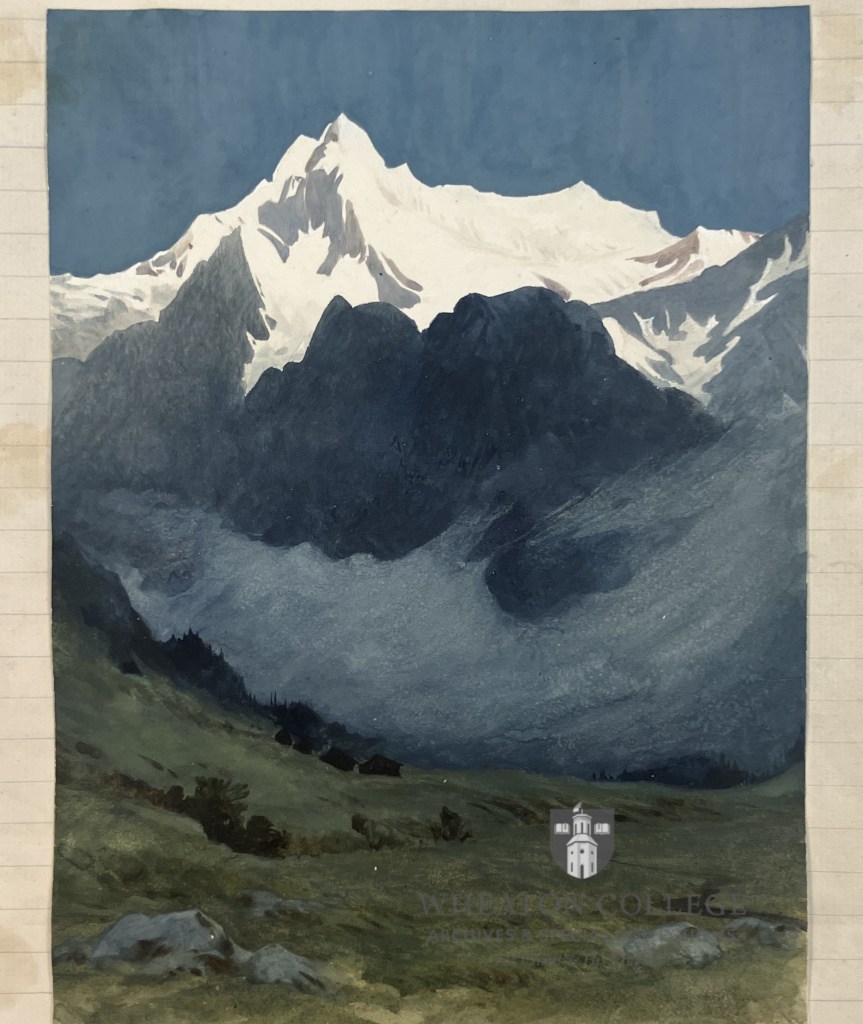
While on one such European tour Trotter met John Ruskin, England’s premier art critic and a leading intellectual of the day. A champion of her daughter’s artistic abilities, Mrs. Trotter delivered examples of Lilias’s watercolor paintings to Ruskin, hoping the great man would recognize a budding talent. And he did. Famously difficult to impress, Ruskin was struck by the twenty-three-year old’s meticulous attention to detail, so much so that he offered to personally mentor the young artist after her European tour.
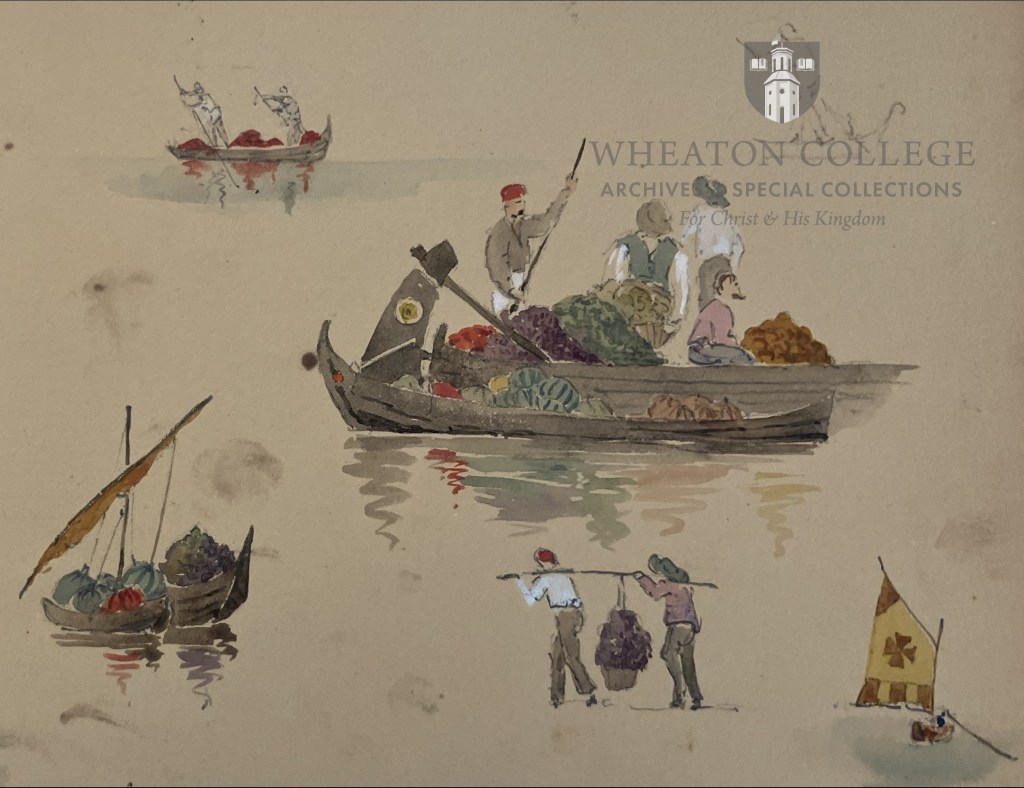
While a glittering future as a professional artist called Lilias Trotter back to England, another—radically different—vocation beckoned in a radically different direction. Raised a devout Christian by her Anglican mother, Trotter was influenced by the Higher Life Movement in her twenties. As her faith became increasingly active and personal, Trotter began volunteering with the Welbeck Street Institute run by the Young Women’s Christian Association at a hostel in London’s West End for working women. Moved by the suffering of others, Trotter also began ministering to prostitutes who worked near Victoria Station, helping them to find alternative employment through the skills training offered at the Institute.
At the same time her artistic talent was noticed and praised by the likes of John Ruskin, Trotter felt a profound call to full-time missionary service. In May 1887, she attended a religious meeting where the missionary speaker inquired if any listeners were called to service in North Africa. The 33-year-old Trotter declared, “He is calling me.” Lilias applied to serve with the North African Mission but was rejected on account of her frail health. Undeterred, she recruited another pair of single women with independent means to join her on the mission field. In March 1888, the three Englishwomen sailed for Algeria without a word of Arabic between them and no institutional backing. Over the next 40 years, Lilias and her ministry partners founded the Algiers Mission Band, focusing on evangelism through building personal relationships, often with women and children. By 1928, the Algiers Mission Band established 12 mission stations and successfully produced numerous tracts and pamphlets, often illustrated by Trotter, introducing the Christian message through simple stories set amid the villages and landscapes of North Africa.
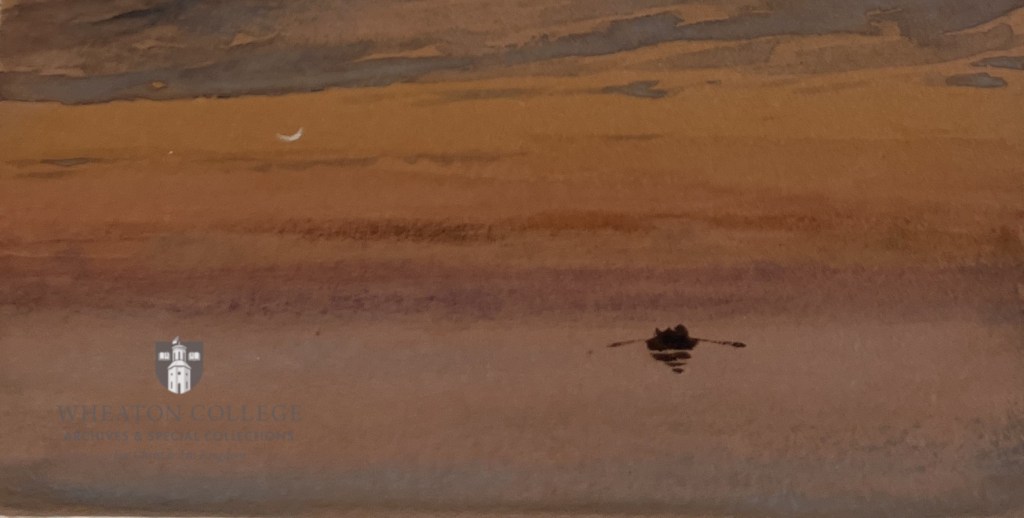
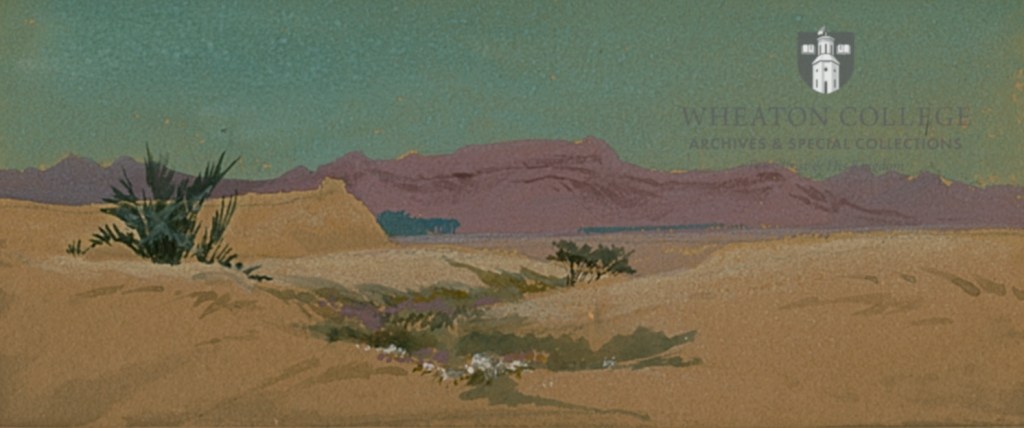
Although she renounced a promising career in the British artworld, Lilias Trotter did not set aside her artistic talents when she became a missionary. Instead, Trotter continued to paint for the rest of her life, trading the delicate color palette of English and alpine landscapes for the vivid hues of the North African deserts. Rather than rejecting art as a secular or frivolous pursuit, Lilias Trotter put her artistic gifts in service to her evangelistic calling and left a legacy that still speaks powerfully today.
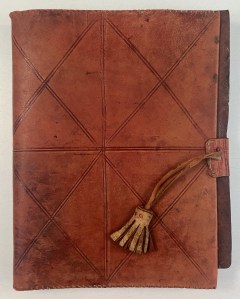
Lilias Trotter died nearly a century ago, both popular and scholarly interest in her life and writings has increased in recent years, generating a steady trickle of books, articles, dissertations, and even a documentary film in 2016. Recent re-publications of Trotter’s writings and new compilations of her paintings and religious reflections have introduced Lilias Trotter to a new generation.
As more new acquisitions are added to the Lilias Trotter Papers in the Wheaton Archives & Special Collections, Trotter’s circulating journals remain a core component documenting her missionary service in North Africa. Spanning 1893-1899 (with gaps for 1894 and 1898), the journals contain vivid descriptions of life in Algeria and the work of the Algiers Mission Band. Intended as a sort of annual report to circulate among friends and supporters in England, Trotter’s journals provide an unvarnished glimpse into the often-mundane activities of missionary service. In these pages, Trotter interspersed descriptions of the Mission Band’s activities with original artwork capturing the people and landscapes of North Africa.
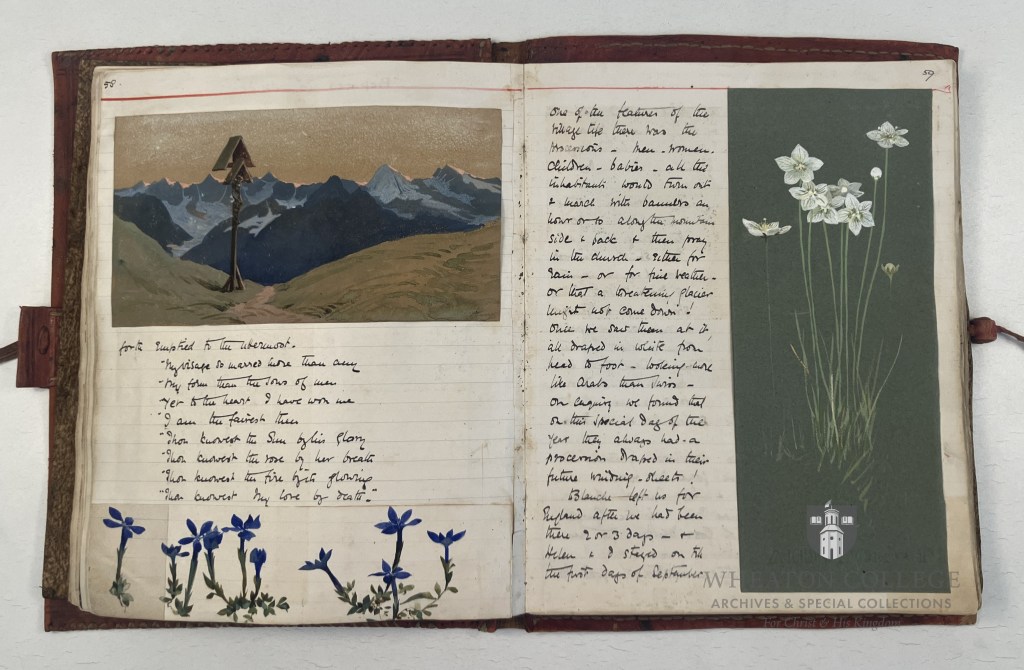
Bound in cinnamon-colored Moroccan leather, the three circulating journals in the Lilias Trotter Papers provide a glimpse into the first decade of her missionary service in Algeria—documenting in her distinctive sloping handwriting the frustrating setbacks of evangelism in a Muslim country, the joys of growing friendship with Algerian women and children, and the quotidian challenges of life in a harsh climate where drought and disease constantly threatened.
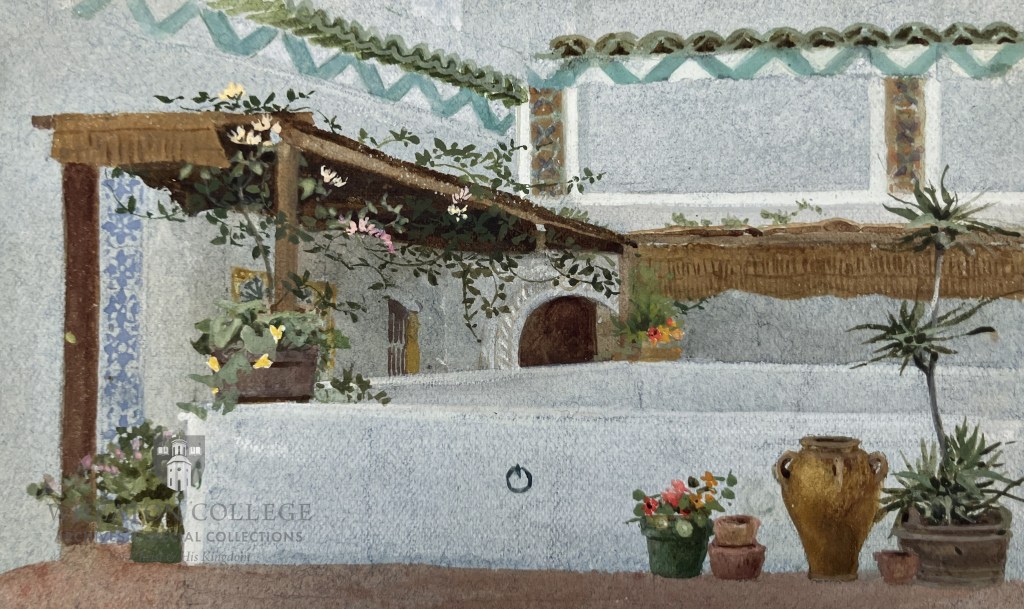
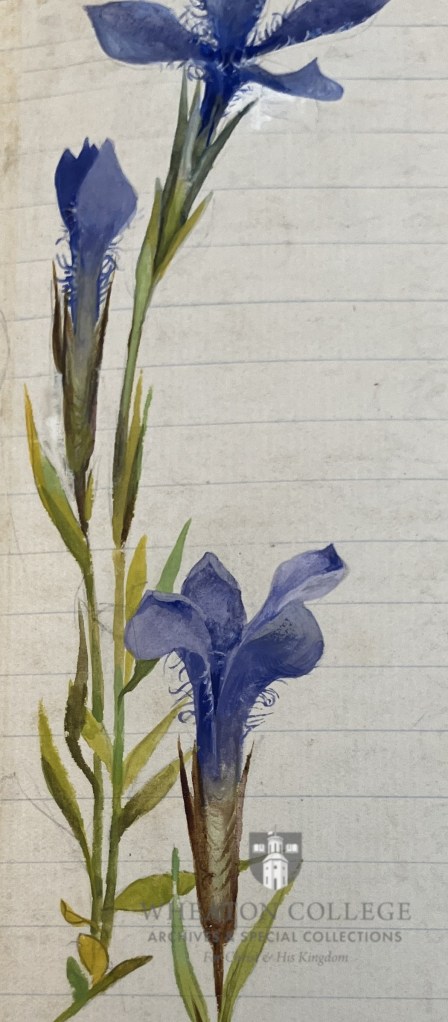
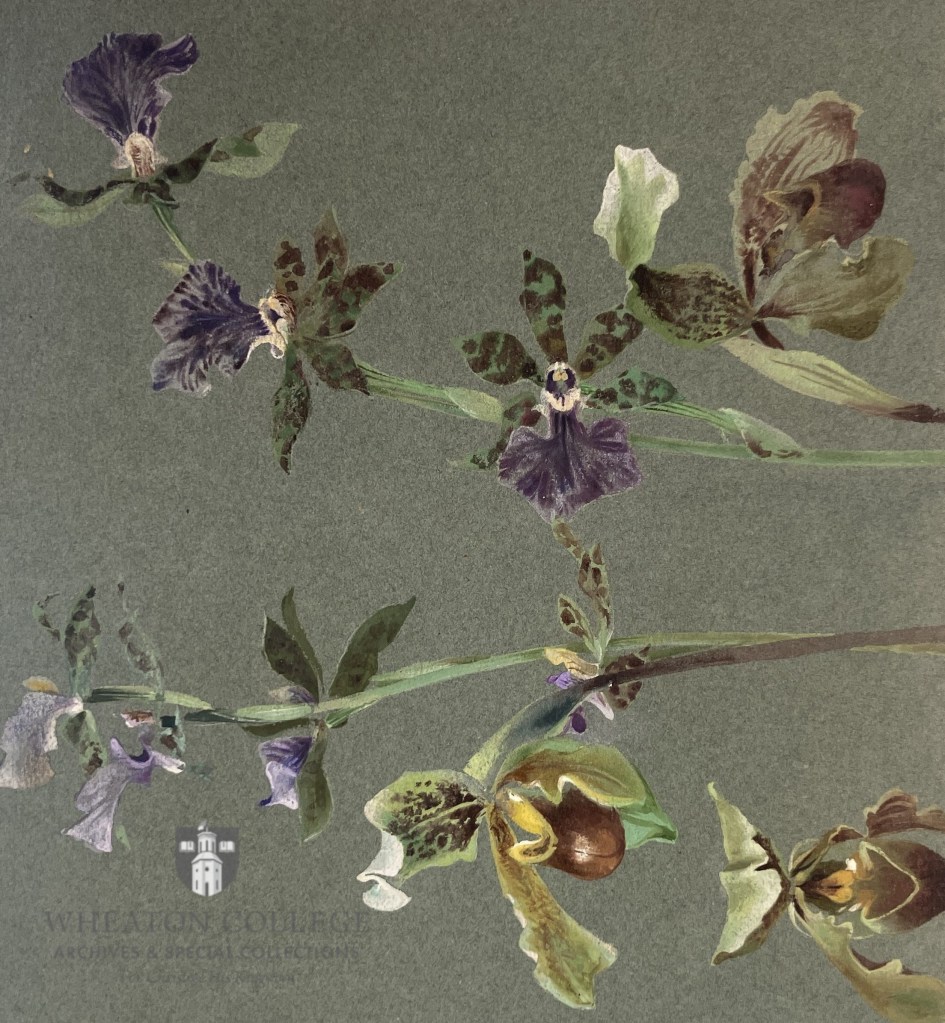
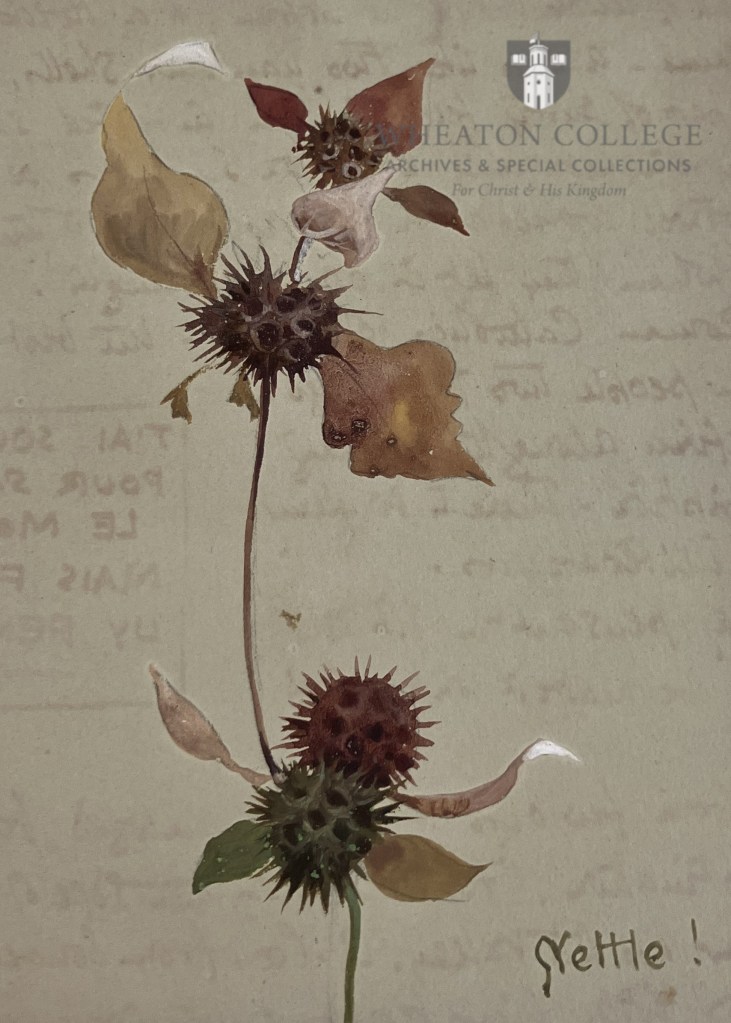
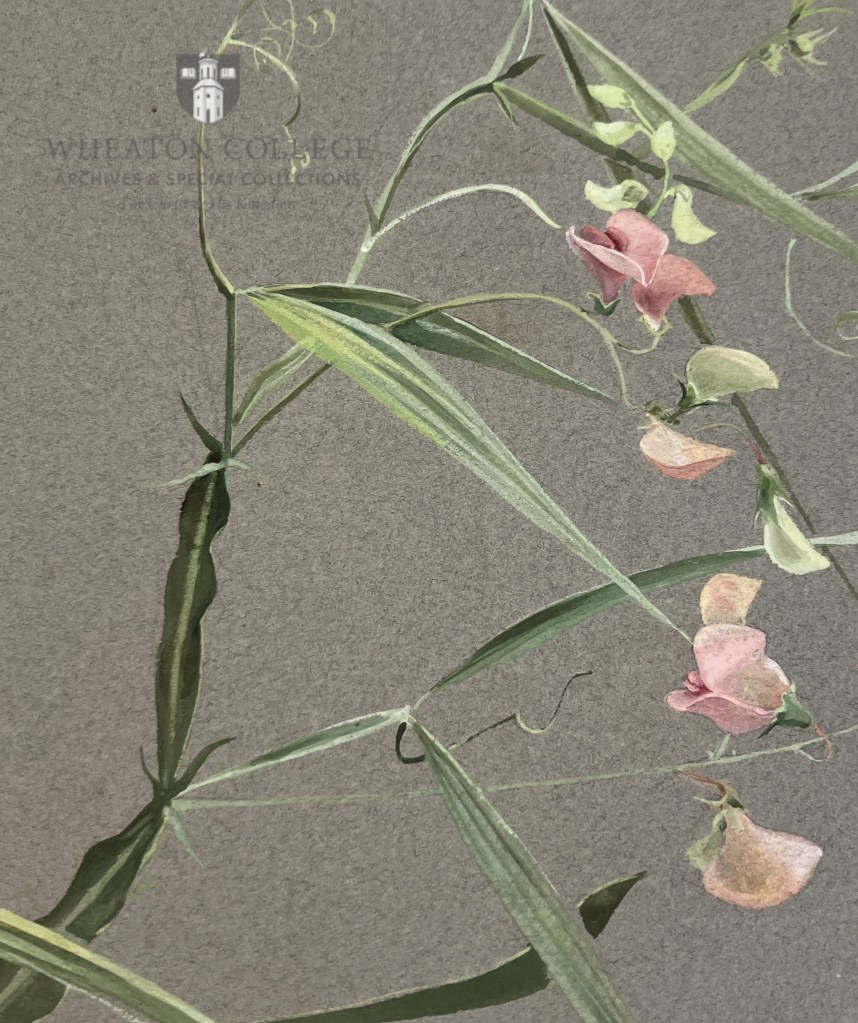
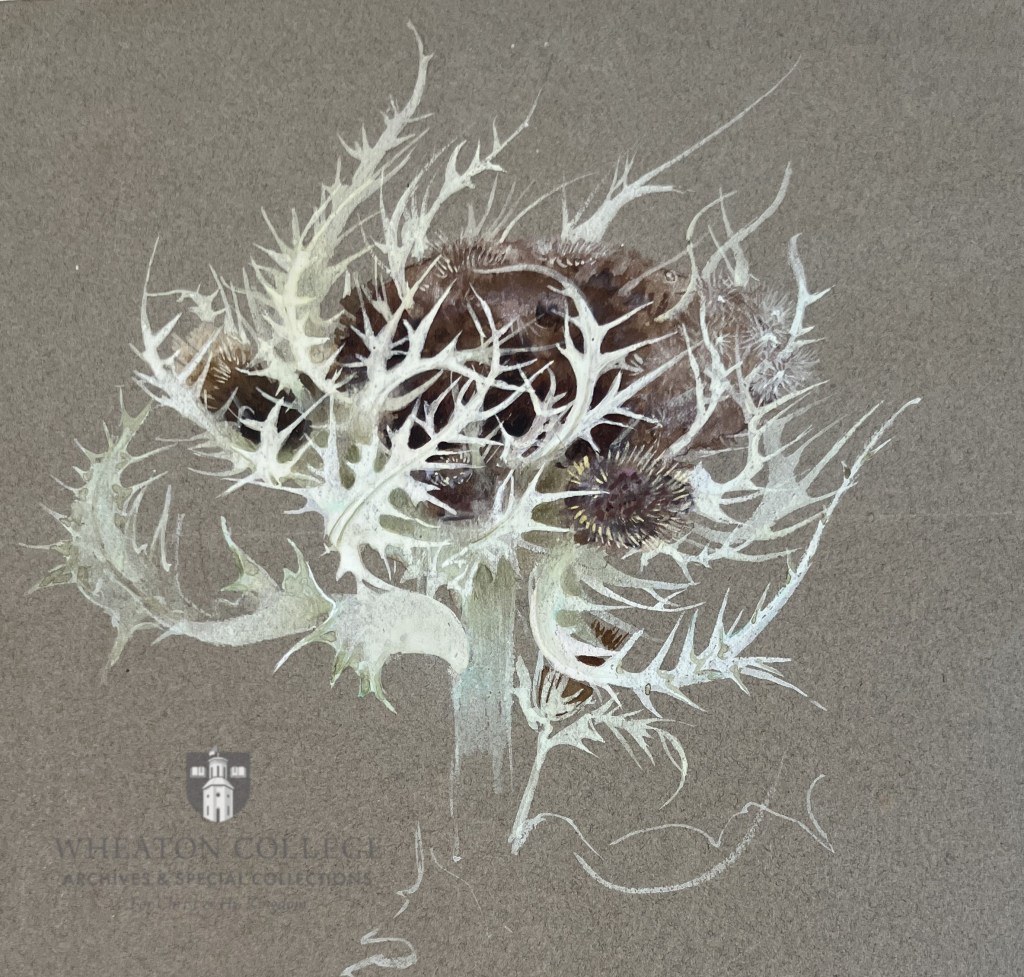
Trotter’s journaling style is informative, breezy, and intimate. She interrupts long descriptions of people and places and evangelistic activities with musings on the providence of God and the mystery of divine purpose, often alongside stunning watercolors of flowers, vines, thistles, seeds, grasses.
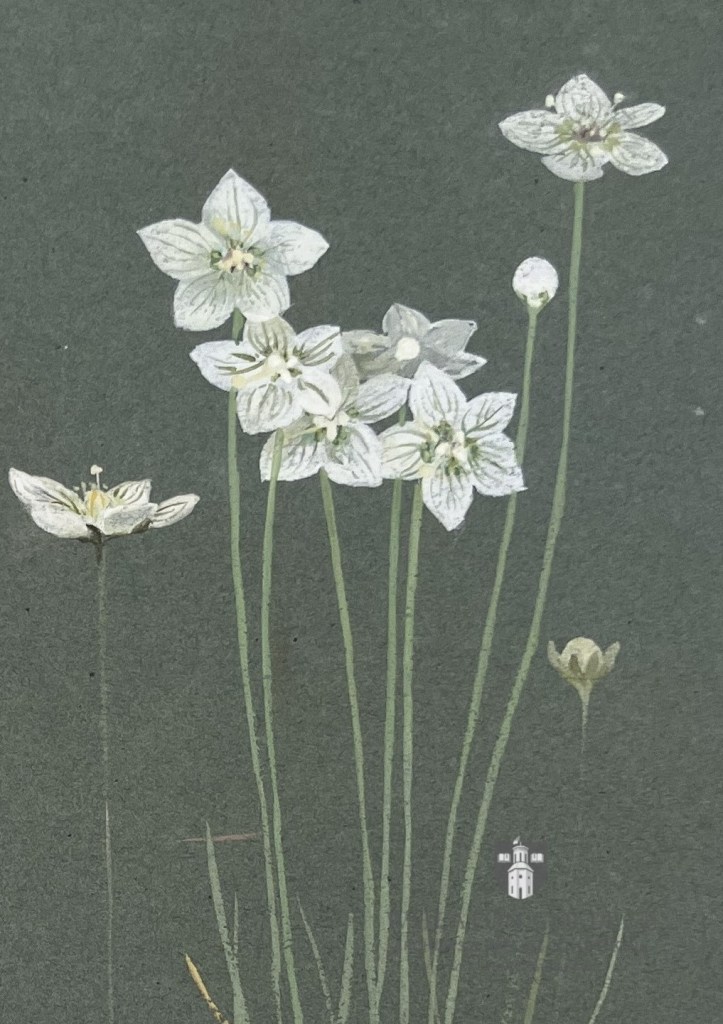
“I think He uses times like these to drain out of us whatever is left of mere human energy and “go”, with its outcome of fruitless planning – and to hold our souls quiet for an incoming of the Spirit’s power. Even itinerating, with its sense of doing something, has been blocked all this winter – for I have not been accounted fit either to be taken or to be left in charge! and apart from that, the difficulties around us would have made the question a grace one, even if we had been strong in body and in numbers – we are watched and suspected at every turn.” – March 13, 1896
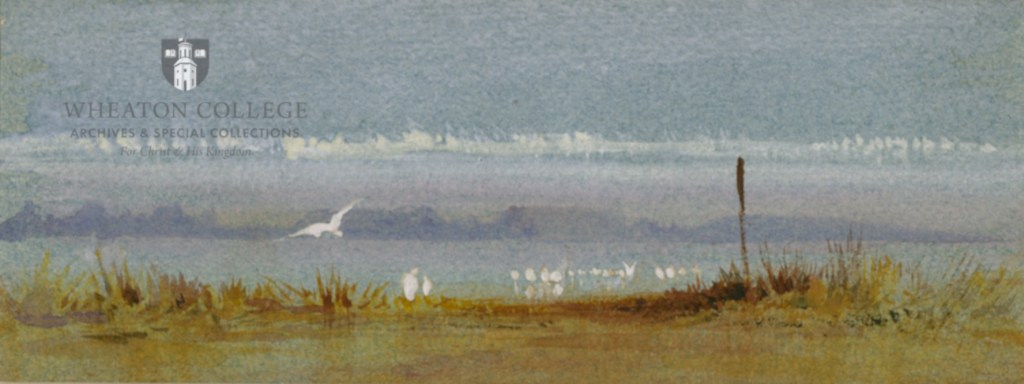
Much like the paintings in her youthful sketchbooks from European tours, Trotter’s artwork in the circulating journals juxtaposes wide landscapes, with intimate nature watercolors, complemented by occasional renderings of local people and daily objects—children, baskets, dogs. But her fascination with the vistas and flora of North Africa dominate the pages of the circulating journals.
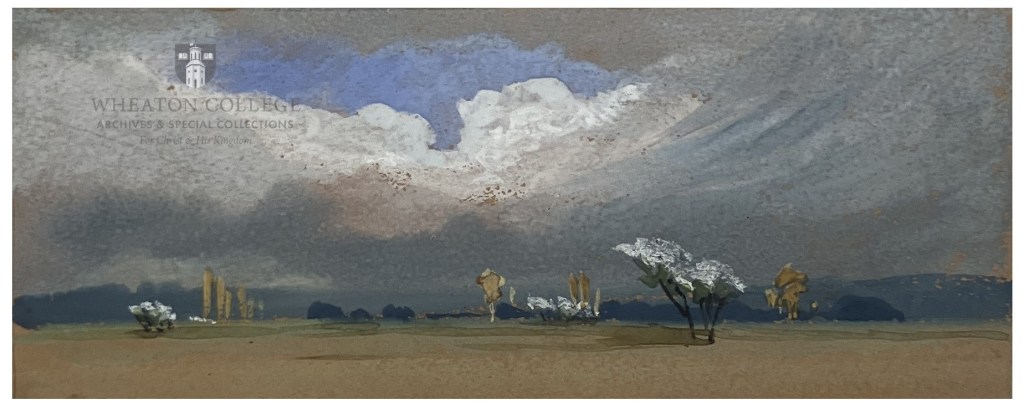
“The country is in all the glory of the Spring-time, such as I have not seen for these last three years – ‘the wind passeth over it and it is gone’ as a rule, before we get back from the south. Two or three days of sirocco in the late spring turns everything brown as with a furnace blast.”
In addition to the sketchbooks and circulating journals, the Lilias Trotter Papers contains 21 exquisite watercolor paintings. Likely intended as gifts to friends and supporters, the paintings illustrate Trotter’s fascination with the North African landscape and people, capturing in vibrant color the sunbaked sand dunes and Algerian shepherds, lonely camel caravans, and the lifegiving desert oases.
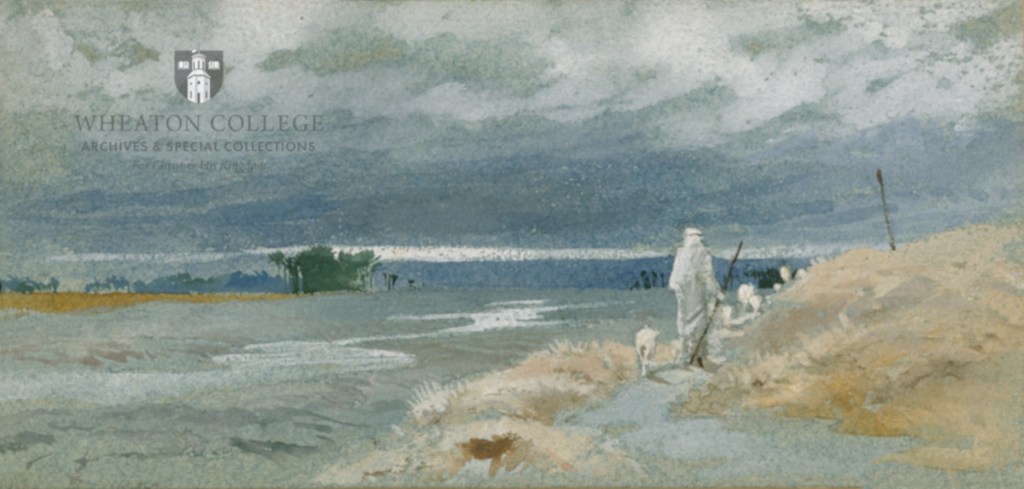
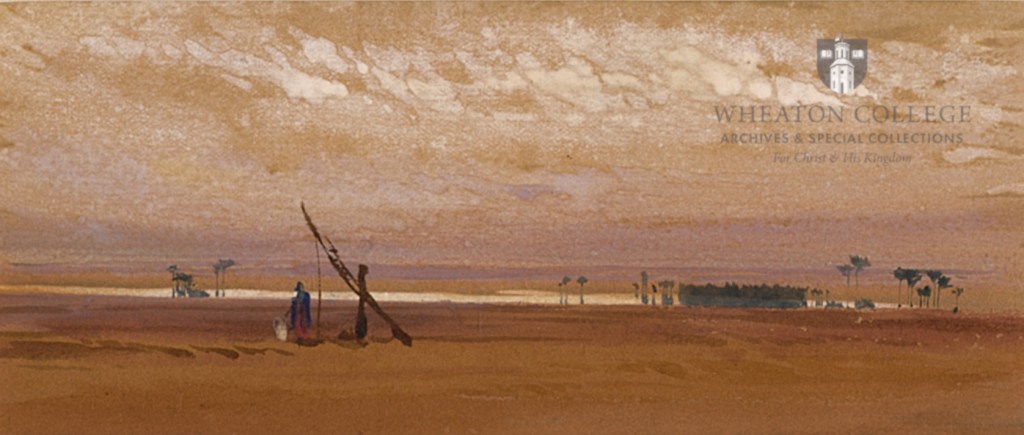
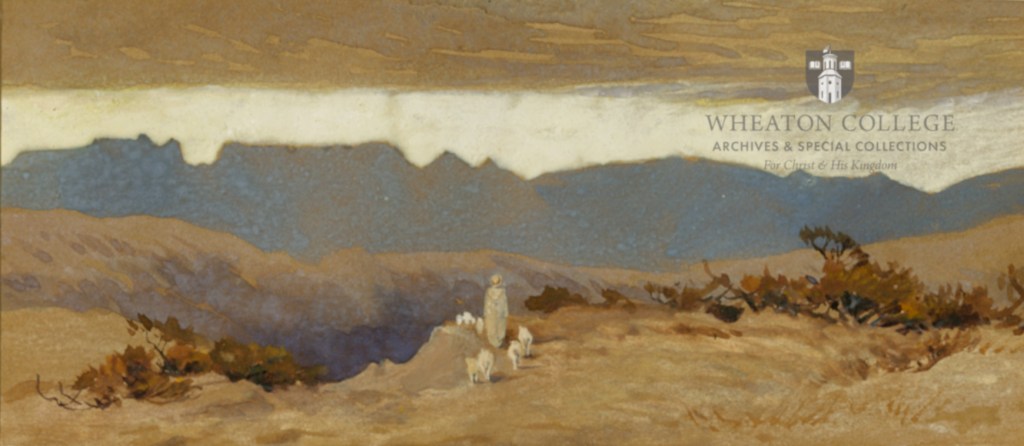
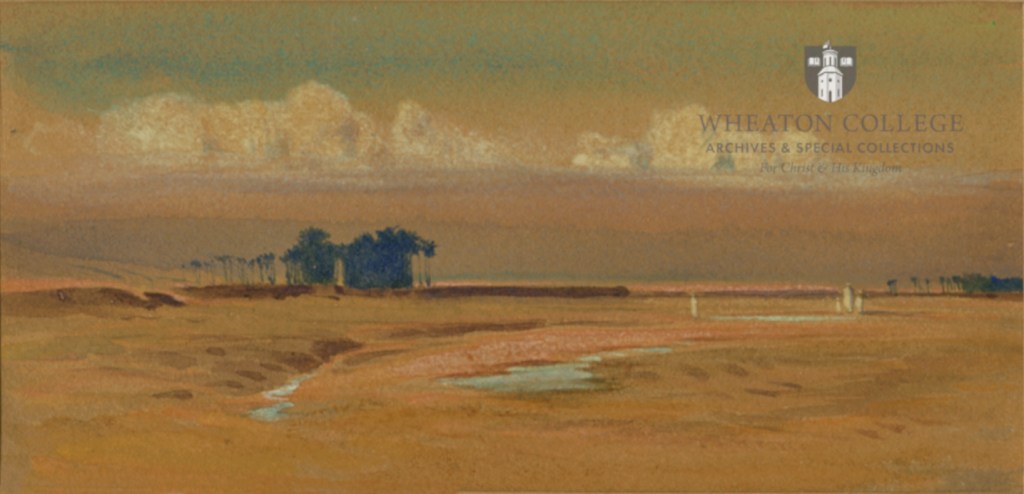
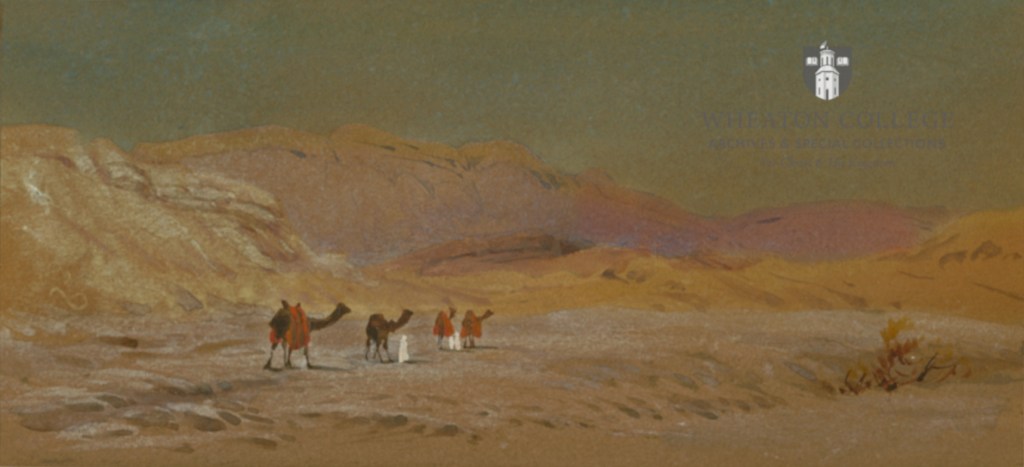
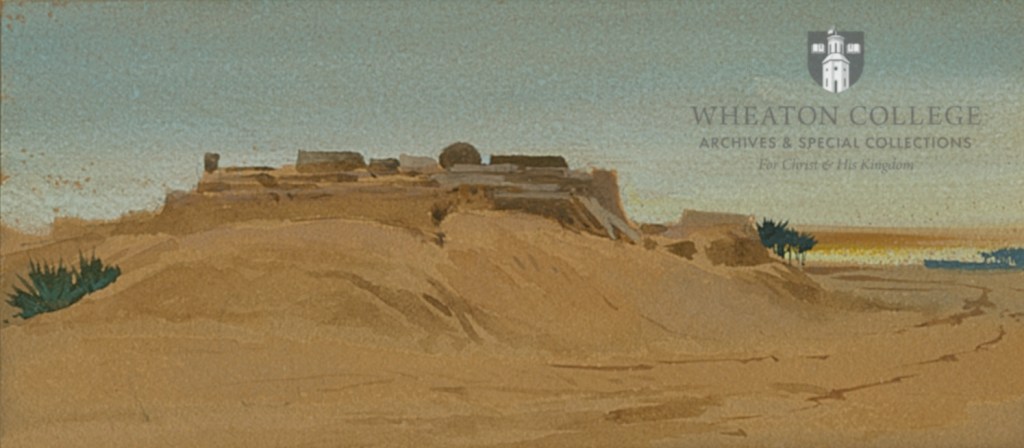
An artist with both pen and brush, Lilas Trotter continues to fascinate and inspire readers today with her profound spiritual insights and striking sketches and watercolors. The Wheaton Archives & Special Collections is pleased to celebrate this remarkable woman—missionary, writer, and artist—whose courage and tenacity brought the Christian gospel to North Africa and whose voice still speaks today from the journals, sketchbooks, tracts, and paintings she left behind.
More information about Lilias Trotter can be found in the finding aid for Lilias Trotter Papers (SC-225) at the Wheaton Archives & Special Collections as well as on the Lilias Trotter Legacy website.
 From the Vault